US, China Clash in New Space Race for Lunar Dominance
The US and China are engaged in a new space race, focusing on lunar resources and strategic influence. While the US Artemis program aims for a 2028 landing, China's rapid advancements and 2030 lunar goals present a significant challenge. This competition echoes historical colonialism and highlights the growing importance of space in modern warfare.

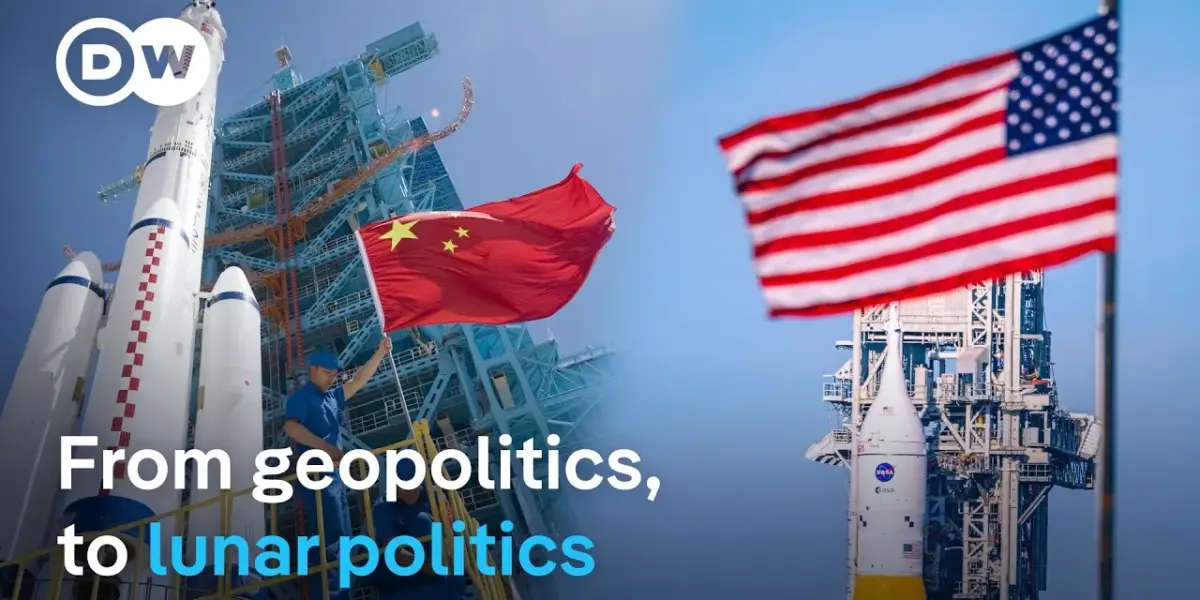
New Space Race Heats Up Between US and China
The United States and China are locked in a new, high-stakes competition for dominance in space, mirroring the Cold War era’s race to the moon. This modern contest, however, is not just about national pride but also about securing vital resources and strategic influence on the lunar surface. The Artemis program, America’s ambitious return-to-the-moon initiative, is seen as a direct response to China’s growing capabilities and its own lunar ambitions.
China’s Rapid Advancements Spark US Concern
Journalist and space industry analyst David Aroto highlights China’s significant progress in space, calling it a “wakeup call” for the U.S. China has established extensive infrastructure in low Earth orbit, including large data centers and solar panel projects. They have also launched a new space station and plan to land astronauts on the moon by 2030. Notably, China was the first nation to successfully land a probe on the far side of the moon, a feat that has not been achieved by any other country.
This is a new arena that really matters. And I think the danger that the United States has is if we don’t treat it like a long-term play, we may wake up one day to a system that’s essentially devised by others and potential adversaries.
Artemis Aims to Counter Chinese Influence
The Artemis program aims to establish a sustained human presence on the moon, with the first crewed landing planned for the lunar south pole by 2028. This region is particularly attractive due to the presence of water ice, trapped in permanently shadowed craters. Control of these resources could be crucial for future space exploration and settlement. The U.S. initiative is not solely government-led, but a partnership between NASA and private companies like SpaceX, fostering innovation and rapid development.
Historical Parallels to Colonialism
Aroto draws parallels between the current space race and historical periods of European colonialism. He explains that early colonization efforts in America, like the Virginia Company’s settlement, were driven by a combination of state-sponsored geopolitical goals and private financial interests seeking material gain. Similarly, the race for lunar resources involves both national strategic objectives and the pursuit of economic opportunities, echoing the exploitation of untapped resources found in the New World.
Techno-Authoritarianism Versus Capitalism
This competition also represents a clash of political and economic systems. It pits China’s state-controlled, long-term planning against the U.S. model, which relies on a mix of government funding and private sector innovation driven by market forces and shorter election cycles. China’s systematic execution of long-term policies contrasts with the U.S. system, which can be influenced by two- and four-year election cycles and the need for quarterly profits.
The Moon’s South Pole: A Strategic Prize
The lunar south pole is a focal point for both nations. Its extreme temperatures, perpetual darkness in some craters, and towering peaks present significant landing challenges. Despite these difficulties, the U.S. aims to land astronauts there by 2028, while China targets 2030. The U.S. benefits from existing infrastructure and the dominance of companies like SpaceX, which have made space travel more routine. However, China’s demonstrated long-term planning and consistent execution raise questions about who will ultimately achieve long-term dominance.
Space as a Modern Battlefield
The conflict in space is not limited to lunar ambitions. Aroto points out that modern warfare increasingly involves space-based assets. The conflict in Ukraine, for example, highlighted the critical role of Starlink satellite internet in maintaining communications against Russian efforts to disrupt them. As conflicts become more autonomous and reliant on sensor data from space, control of this domain becomes even more critical for national security.
A Race Against Time
With both nations pushing aggressive timelines for lunar landings, the competition is intensifying. The U.S. Artemis program faces significant technical hurdles in reaching the challenging lunar south pole by 2028. China, appearing to be ahead of schedule for its 2030 landing, presents a formidable challenge. This race to secure a foothold on the moon and establish dominance in space is unfolding rapidly, with implications that extend far beyond exploration, shaping the future of geopolitics and resource control.
Source: How Artemis advances America’s space colonization race with China | DW News (YouTube)

Related Articles


China’s Taiwan Gambit: Peace Talk Hides Military Threat
Taiwan's opposition leader's visit to Beijing is a performative act by China, according to retired US Colonel Grant Nam. While presented as peace talks, it coincides with increased Chinese military activity around Taiwan. This strategy aims to influence both Taiwanese and American politics, while China signals its readiness to use force.


Oil Price Shock Fuels Inflation; Fed Stays Put, Analyst Says
Soaring oil prices are the main driver behind March's inflation spike, not a sign of deeper issues, according to analyst Joseph Travisani. He believes the Federal Reserve will likely hold interest rates steady due to this temporary effect. However, regaining market confidence for oil prices to fall could take time, even if supply routes reopen.


Iran’s Regime: A Stubborn Threat to Global Order
Iran's current regime is compared to a persistent cancer, challenging the global order and unlikely to become a peaceful neighbor. While state media showcases support, half the population opposes the government and faces severe risks for dissent. This internal division and external challenge create a complex and uncertain future.