US Borrows Billions From China for Defense Against China
The United States is reportedly borrowing billions from China to fund defense initiatives aimed at countering Chinese influence. This complex financial strategy fuels market uncertainty and raises concerns about geopolitical vulnerabilities and supply chain security.

US Debt to China Fuels Defense Spending Amid Geopolitical Tensions
In a complex and potentially precarious financial strategy, the United States is reportedly borrowing significant sums from China to fund its defense initiatives, including the development of weaponry designed to counter Chinese influence. This dynamic, where a nation finances its military competition against another through that very adversary’s capital, raises substantial questions about economic security and long-term geopolitical stability.
The Paradox of Defense Financing
The core of the issue lies in the intricate web of global finance. While the U.S. government issues Treasury bonds and other debt instruments to finance its operations, a notable portion of this debt is held by foreign entities, including China. These funds are then channeled into the U.S. defense budget, which increasingly focuses on strategic competition with China. The irony is stark: American taxpayers are indirectly paying interest on debt held by a geopolitical rival, while that same rival’s components may find their way into the very weapons systems being developed.
“We have been borrowing money from China to build weapons to face down China using Chinese components. It’s not a good strategy when your biggest geopolitical adversary is China.”
This situation highlights a significant vulnerability. Reliance on a geopolitical adversary for financing creates a dependency that could be exploited. The use of Chinese components in U.S. defense systems further complicates matters, raising concerns about supply chain security, potential espionage, and the technological integrity of critical military hardware.
Market Volatility and Investor Uncertainty
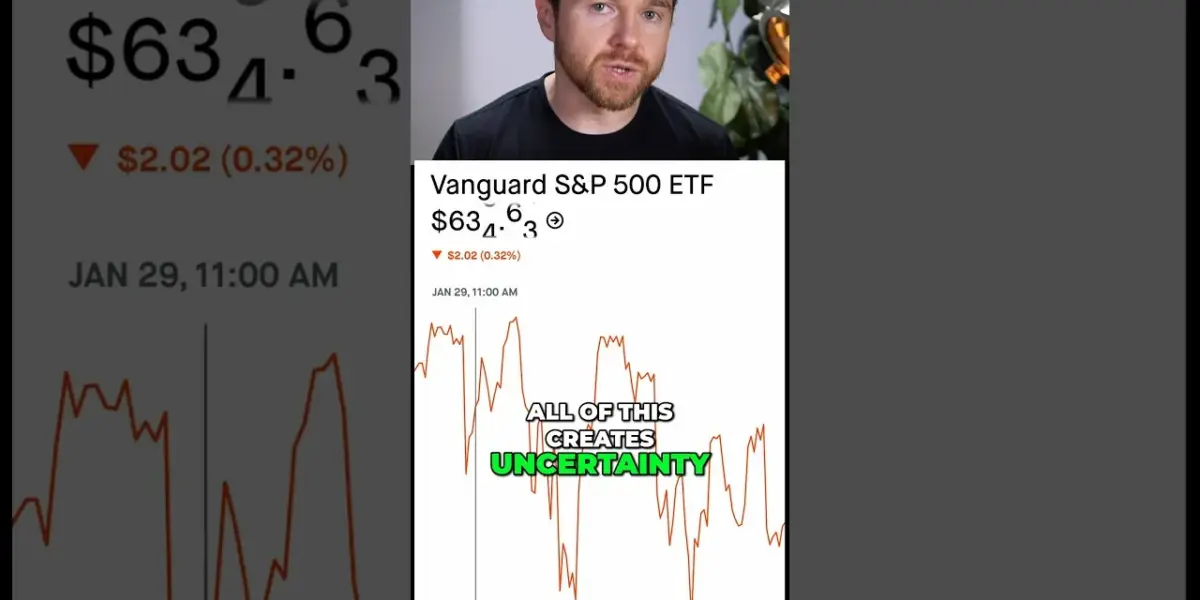
The prevailing geopolitical and economic uncertainty stemming from these dynamics is manifesting in market volatility. Investors are grappling with the implications of this complex relationship, leading to fluctuations across various asset classes. Markets that are typically considered safe havens during times of uncertainty, such as gold, are experiencing heightened volatility, reflecting broader investor anxiety.
“All of this creates uncertainty, right? And that’s what we’re seeing in the markets. That’s volatility, especially in markets that are supposed to be stable in times like this, which is gold,” the analysis suggests. This indicates that even traditional safe assets are not immune to the ripple effects of geopolitical maneuvering and its financial underpinnings.
Front-Running Volatility: An Insider Advantage?
The transcript points to a concerning aspect of market behavior: the ability of those with privileged information to capitalize on impending volatility. “Now, those who have access to all of this information of where it might go next, right, they’re able to front run the volatility and they can make money from it,” it states. This suggests that sophisticated traders or institutions, possessing foresight into market movements driven by geopolitical events, can position themselves to profit from the ensuing price swings. This raises ethical questions about market fairness and the accessibility of such information.
What Investors Should Know
The situation underscores several key considerations for investors:
- Geopolitical Risk Premium: Investors must increasingly factor geopolitical risks into their portfolio allocations. The U.S.-China dynamic is a prime example, where strategic tensions can directly impact markets.
- Supply Chain Scrutiny: The reliance on components from potential adversaries highlights the fragility of global supply chains. Companies with diversified and secure supply chains may offer greater resilience.
- Safe Haven Performance: While gold is traditionally seen as a hedge against uncertainty, its recent volatility suggests that even traditional safe havens can be affected by profound geopolitical shifts. Investors should diversify their strategies for capital preservation.
- Information Asymmetry: The mention of ‘front-running’ volatility is a reminder that market participants do not operate on a level playing field. Understanding market dynamics and potential information advantages is crucial.
Long-Term Implications
The long-term implications of this borrowing strategy are significant. It could exacerbate the U.S. national debt, potentially leading to higher interest rates and reduced fiscal flexibility. Furthermore, it fuels the ongoing strategic competition with China, potentially leading to a more fragmented global economy and increased trade barriers. This could result in slower global growth and persistent market uncertainty. Investors may need to adapt to an environment characterized by heightened geopolitical risk and a re-evaluation of global economic interdependence.
The current financial strategy, while perhaps addressing immediate defense needs, presents a complex and potentially unsustainable long-term approach. The interplay between national security, global finance, and market stability demands careful monitoring by policymakers and investors alike.
Source: Borrowing From China to Compete With China (YouTube)

Related Articles
US War with Iran: Escalation, Shifting Justifications, and Regional Chaos
Operation Epic Fury, the US and Israeli war with Iran, is escalating with mounting casualties and regional spread. Controversial statements reveal the US may have initiated strikes due to anticipated Israeli action and subsequent Iranian retaliation, while justifications for the war continue to shift.


Iran’s Leadership Decimated: A Strategic Strike or Escalation?
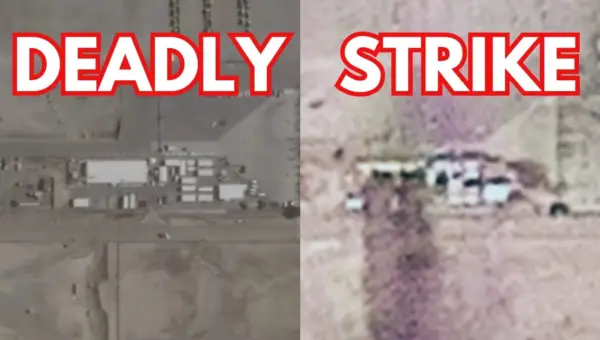
Reports indicate a devastating strike on Iran's leadership and military infrastructure, raising questions about strategic objectives and escalating conflict. The potential for Iran to possess nuclear weapons adds a critical layer of urgency.
Trump’s War Presser Unravels: Threats, Confusion, and Blame
A recent press conference reveals Donald Trump's chaotic approach to foreign policy, marked by contradictory statements on the Iran conflict, threats against allies like Spain, and a concerning lack of preparedness for civilian evacuations. The event highlighted a volatile leadership style with potentially destabilizing global implications.