US Border Crisis Stalls, Iran Tensions Flare Amidst Stalemate
U.S. lawmakers are on recess, leaving TSA workers unpaid amidst a DHS funding stalemate. Simultaneously, tensions with Iran are rising, with reports of potential U.S. ground operations clashing with diplomatic talks.


US Border Crisis Stalls, Iran Tensions Flare Amidst Stalemate
The United States is facing a dual crisis, with a partial government shutdown impacting vital services and rising tensions with Iran creating a volatile international situation. Lawmakers are currently on a two-week recess, leaving thousands of Transportation Security Administration (TSA) workers without pay for over a month. This shutdown has led to significant travel headaches at U.S. airports, with reports of 5,100 TSA workers quitting their jobs.
TSA Workers Seek Back Pay Amidst Shutdown
President Trump signed an executive order aimed at providing relief to these workers. The plan is to use a special funding bill, often referred to as the ‘one big beautiful bill,’ to ensure TSA agents receive their paychecks, potentially as soon as tomorrow. However, this executive order does not resolve the larger issue: the funding standoff for the Department of Homeland Security (DHS). The core problem remains unresolved as lawmakers failed to reach an agreement before their recess.
Congressional Stalemate on DHS Funding
Sources familiar with the negotiations indicate that Senate Majority Leader John Thune has been in contact with Democratic Minority Leader Chuck Schumer. Their goal is to find a deal to end the shutdown. However, a previous plan put forth by Senate leaders was rejected by House Republicans. Speaker Mike Johnson even called that Senate plan a ‘joke.’ This disagreement has pushed the issue to the side while Congress is away, leaving the DHS underfunded and its employees in limbo.
Border Czar Urges Action on DHS Funding
White House Border Czar Tom Homan has been the lead negotiator for the administration, pushing lawmakers to find a solution. Homan has urged Congress to return and address the funding needs of the Department of Homeland Security. He emphasized that the department is currently operating with an increased threat posture. Homan stated that the focus should be on funding DHS, not on holding the entire department hostage for unrelated immigration policy debates. He believes a direct conversation is needed to resolve the immediate funding crisis.
Trump Encourages Senate Filibuster Bypass
Meanwhile, President Trump has encouraged Republican Senators to end the filibuster. This procedural move would allow them to bypass Democratic opposition and pass DHS funding without Democratic agreement. However, Republican Senate leaders have previously ruled out this approach. This suggests a deep division within the Republican party on how to best resolve the shutdown and fund the Department of Homeland Security.
Iran Tensions Escalate with Potential Ground Operations
In a separate but equally critical development, diplomatic efforts are reportedly underway to de-escalate tensions with Iran. Pakistan’s Foreign Minister has indicated that his country plans to host talks between the U.S. and Iran in the coming days. While the U.S. has not officially confirmed these talks, the news offers a potential avenue for dialogue. However, this potential diplomatic breakthrough is overshadowed by reports that the Pentagon is preparing for potential ground operations in Iran.
Pentagon Prepares for Limited Raids, Not Invasion
A Washington Post report suggests that these preparations are not for a full-scale invasion. Instead, the plan involves targeted raids by special operations forces and infantry troops. It remains unclear when President Trump would make a decision on such operations. He has stated publicly that discussing military plans would not be strategic. The possibility of U.S. troops on the ground in Iran is a controversial issue, raising concerns both within the U.S. and internationally.
Iran Issues Stern Warning to US
In response to the possibility of U.S. ground troops, Iran’s Parliament Speaker issued a strong warning. He stated that Iranian forces are prepared to confront American troops and punish their regional partners. This stern warning highlights the high stakes involved and the potential for rapid escalation. Both the White House and the Pentagon have been contacted for comment on the report but have not yet responded. The President is expected to return to the White House soon, and it remains to be seen if he will address these critical issues.
Global Impact
The ongoing shutdown of the Department of Homeland Security directly impacts national security and public trust. TSA workers, essential personnel, are suffering financially, and border security operations may be compromised. This creates a perception of instability within the U.S. government. Simultaneously, the heightened tensions with Iran, coupled with potential military action, carry significant geopolitical risks. A conflict in the Middle East could disrupt global energy markets, lead to widespread humanitarian crises, and draw in regional allies, further destabilizing an already fragile international order. The lack of clear communication and resolution on both fronts underscores the challenges facing U.S. leadership in managing domestic and foreign policy crises.
Historical Context
Government shutdowns due to funding disputes are a recurring feature of U.S. politics, often stemming from disagreements over spending priorities. The current impasse over DHS funding echoes past battles over border security and immigration policy. The situation with Iran is reminiscent of periods of high tension in the Middle East, where U.S. military involvement has often been debated and implemented with significant consequences. The threat of ground operations, while framed as targeted, carries echoes of past interventions that have led to prolonged conflicts.
Economic Leverage
The shutdown itself has economic consequences, affecting federal employees and potentially impacting government services that rely on timely funding. Internationally, any escalation with Iran could severely impact oil prices, given Iran’s position as an oil producer and the strategic importance of the Persian Gulf shipping routes. Sanctions, a common tool in U.S. foreign policy, could be reimposed or strengthened, further impacting Iran’s economy and global trade.
Regional Alliances and Rivalries
The U.S. relationship with Iran is a central point of tension in the Middle East. Regional powers like Saudi Arabia and Israel often align with U.S. policy against Iran, while countries like Pakistan may seek to mediate. The potential for U.S. military action would inevitably draw in regional actors, testing existing alliances and potentially igniting new rivalries. The success or failure of any diplomatic talks hosted by Pakistan would significantly influence the regional balance of power.
Future Scenarios
One scenario is a swift resolution to the DHS funding issue, with lawmakers reaching a compromise upon their return. Another is a continued stalemate, leading to further disruptions and potential long-term damage to essential services. Regarding Iran, a diplomatic breakthrough could de-escalate tensions, while a failure to reach an agreement, coupled with U.S. military action, could lead to a dangerous conflict with unpredictable consequences. The most likely scenario may involve a combination of continued political maneuvering on DHS funding and a cautious, step-by-step approach to managing the Iran situation, avoiding immediate large-scale conflict but maintaining a high level of tension.
Source: Border czar Homan encouraging lawmakers to end stalemate over partial shutdown | NewsNation Prime (YouTube)

Related Articles


Trump’s Mideast Gamble Fuels Global Oil Crisis
Escalating U.S.-Iran tensions have triggered a global oil crisis, sending prices soaring and forcing nations to ration fuel. Iran's oil revenue is up despite battlefield pressure, while storage limits loom for producers. This instability threatens widespread economic disruption and highlights the human cost of conflict.

US Strikes Iran’s Power Grid, Airport in Escalating Conflict
US and Israeli forces have launched significant strikes against Iran, targeting the nation's electrical grid and Marabad Airport. These attacks aim to cripple the regime's communication and operational capabilities, potentially paving the way for ground operations and reopening key shipping lanes.
Iran Escalates Mideast Conflict, Threatens US Campuses
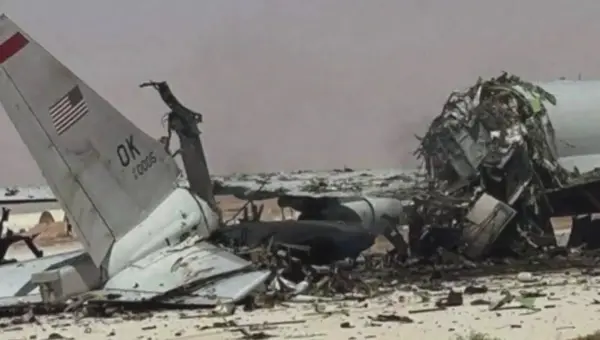
Iran has escalated its involvement in the Middle East conflict by attacking a chemical plant and threatening US university campuses abroad. This move broadens the conflict's scope, impacting civilian infrastructure and potentially drawing more nations into the crisis.