US Bombs Iran: Ground Invasion Looms as War Escalates
Massive U.S. air strikes are underway against Iran, with reports suggesting a potential ground invasion is being considered. Key aircraft are deployed, while Iran and Hezbollah continue to fire rockets into Israel. Former President Trump believes Iran is defeated and seeking a deal.

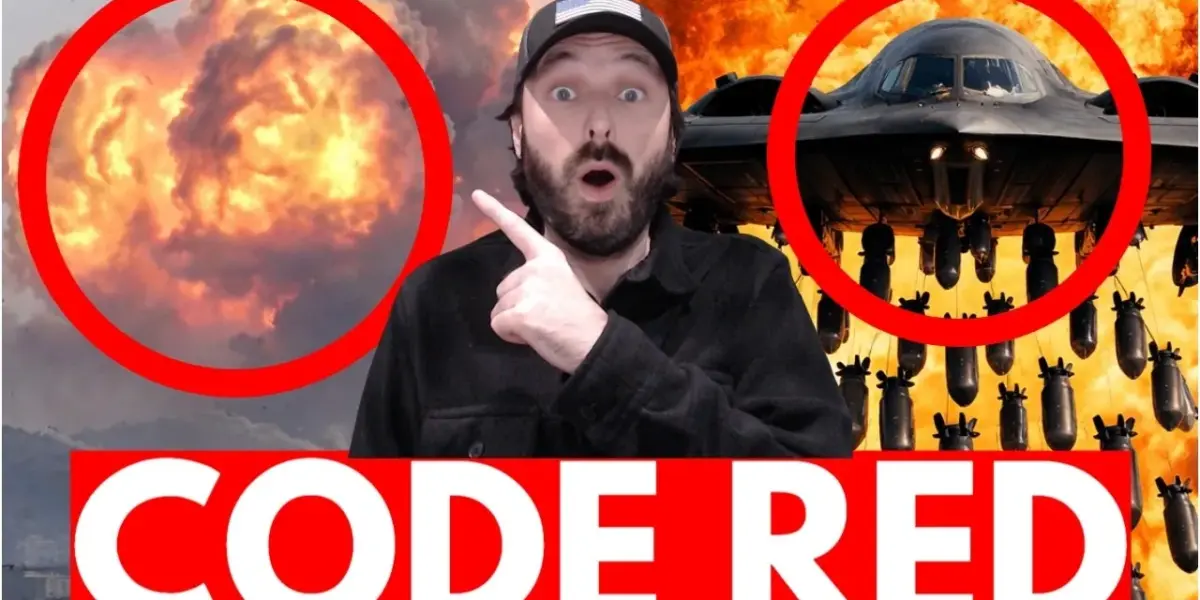
US Strikes Iran as Conflict Intensifies
The United States military is conducting massive air strikes against Iran, marking a significant escalation in the ongoing conflict. This action comes as hopes for a ceasefire appear to have faded. Footage shows explosions and smoke rising from targeted areas, with the U.S. Navy and Air Force reportedly leading the assault. Iran has responded with anti-aircraft fire, though it appears limited against the U.S. air campaign.
Key Aircraft Involved in Operations
Reports indicate that B1 bombers, staged in the United Kingdom, are actively participating in strike missions over Iran. Additionally, A10 Warthogs and Apache attack helicopters are being deployed. Their use in Iranian airspace suggests that Iran’s air defense systems have been largely neutralized, allowing these slower, more vulnerable aircraft to operate with less risk.
Rockets Fired into Israel, Intercepted
While the U.S. conducts air strikes, Iran and Hezbollah continue to fire rockets and missiles towards Israel. Israeli air defenses have intercepted multiple incoming projectiles. However, one person was killed and another seriously injured in a direct rocket hit in the town of Naiah. This highlights the ongoing threat and the effectiveness, though not perfect, of Israel’s defensive measures.
Trump’s Stance on the Conflict
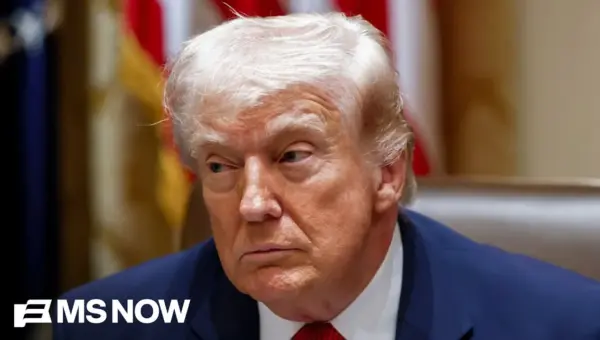
Former President Donald Trump has commented on the war, stating that the Iranian regime has been decisively defeated and is seeking a deal. He suggested that Iran is negotiating because of their dire situation, claiming they have been “obliterated.” Trump also addressed the possibility of a ground operation to secure uranium, but he did not confirm or deny such plans, responding humorously to a direct question about entering Iran for the uranium.
“The Iranian regime is now admitting to itself that they have been decisively defeated. They’re saying to people, ‘This is a disaster.’ They know that’s why they’re talking to us. They’re not only they wouldn’t talk otherwise, but they’re talking to us because they’ve got a disaster on their hands. They’re defeated. They can’t make a comeback.”
Donald Trump
Possible Ground Incursion and Strategic Targets
There are growing indications of a potential U.S. ground operation in Iran. Reports suggest that President Trump is leaning towards a major ground effort. U.S. troops, possibly including Delta Force for specialized missions like securing uranium, might be involved. Strategic locations like Car Island, a crucial hub for Iranian oil exports, are being discussed as potential targets. However, capturing and holding such territory would require a significant and prolonged military commitment, potentially exceeding initial estimates for the war’s duration.
Challenges of Holding Territory
Taking an island like Car Island might be achievable, but holding it presents substantial challenges. Iran could respond with continuous missile and drone attacks to saturate the small island and target American positions. This would require a large number of soldiers and sustained fighting, raising questions about the feasibility of holding territory for an extended period.
Iran’s Mobilization Claims and Propaganda
Iranian news outlets report a mobilization of a million people to fight a potential U.S. invasion. However, these claims are likely propaganda. With Iran’s military command and control structure reportedly devastated, the ability to organize such a large force effectively is questionable. These reports should be viewed with skepticism.
NATO’s Potential Involvement
NATO is reportedly discussing ways to keep sea lanes open, particularly the Strait of Hormuz. The head of NATO, Mark Rutte, stated that 30 countries are engaged in these discussions. This suggests a potential, albeit indirect, involvement of NATO in the conflict, aiming to ensure global shipping continues unimpeded.
Generals Hiding While Soldiers Fight
Admiral Brad Cooper, head of U.S. Central Command, has criticized Iranian generals for hiding in bunkers while their regular soldiers face the brunt of U.S. military action. He described a stark contrast between the protected generals and unprotected soldiers on the ground. This highlights a perceived lack of leadership and concern for rank-and-file troops within the Iranian military structure.
Why This Matters
The escalating air strikes and the strong possibility of a ground invasion signal a critical juncture in the conflict. The involvement of major U.S. air power, potential ground troop deployment, and continued missile exchanges create a volatile situation. The comments from former President Trump suggest a belief in Iran’s weakened state, potentially influencing U.S. strategy. The challenges of occupying territory, coupled with Iran’s continued resistance, point to a potentially long and costly engagement. The role of NATO, if it materializes, could further complicate the geopolitical dynamics. The stark contrast in leadership highlighted by Admiral Cooper also speaks to the internal pressures and potential fractures within the Iranian military command.
Implications, Trends, and Future Outlook
The current situation points towards a continued intensification of military action. The U.S. appears determined to degrade Iran’s military capabilities, possibly aiming to cripple its nuclear program and regional influence. The potential ground incursion suggests a desire for more direct control over strategic assets or territory. Iran’s response, though seemingly outmatched, continues to pose a threat through missile and drone attacks. The involvement of Hezbollah adds another layer of complexity. The global economic implications, particularly concerning shipping lanes like the Strait of Hormuz, remain a significant concern, prompting discussions within NATO. The future outlook suggests a period of sustained conflict, with significant humanitarian and geopolitical consequences. The effectiveness of U.S. strategy will be tested by Iran’s ability to adapt and retaliate, as well as the challenges of prolonged occupation.
Historical Context and Background
The current tensions are part of a long-standing complex relationship between the United States and Iran, marked by decades of political estrangement, proxy conflicts, and disputes over Iran’s nuclear program. Events like the 1979 Iranian Revolution, the Iran-Iraq War, and more recent diplomatic efforts and sanctions have shaped the current adversarial dynamic. The U.S. has historically sought to counter Iran’s regional influence and perceived threats to its allies and global stability. Iran, in turn, views U.S. actions as interference in its internal affairs and a threat to its sovereignty. This history of mistrust and escalating actions provides the backdrop for the current military operations.
Source: BREAKING: U.S. SLAMS Iran With Brutal Strikes – Bombers IN THE AIR (YouTube)

Related Articles
Ukraine Strikes Russian Oil Refinery, Eyes Iran Threat
Ukrainian forces struck a key Russian oil refinery, disrupting Moscow's war capabilities. Meanwhile, Finland's president urged continued U.S. support for Ukraine, as Kyiv shares its air defense expertise globally amid growing geopolitical complexities involving Iran and potential sanctions against Hungary.

Iran’s Missile Threat Reduced by 90%, Analyst Says
An analyst reports that Operation Epic Fury has degraded Iran's missile launchers by 90%, despite challenges in targeting hidden sites. The conflict's duration and media coverage are also discussed, with implications for global energy markets and investor confidence.

Iran War Claims Ring Hollow as US Troops Injured in New Attack
Days after Donald Trump claimed "we've won" the war with Iran, a new attack injured approximately a dozen U.S. troops and damaged aircraft. This incident contradicts Trump's assertions of victory and raises serious questions about the strategy and reality of the ongoing conflict.