US Bombs Iran: Escalation Mounts, Leaders Fall
The United States has launched massive airstrikes targeting key Iranian sites, including those believed to hold enriched uranium and missile facilities. The operation has reportedly eliminated top Iranian military leaders. As escalation continues, the US is considering a major ground invasion, while Iran demonstrates its capability to retaliate.

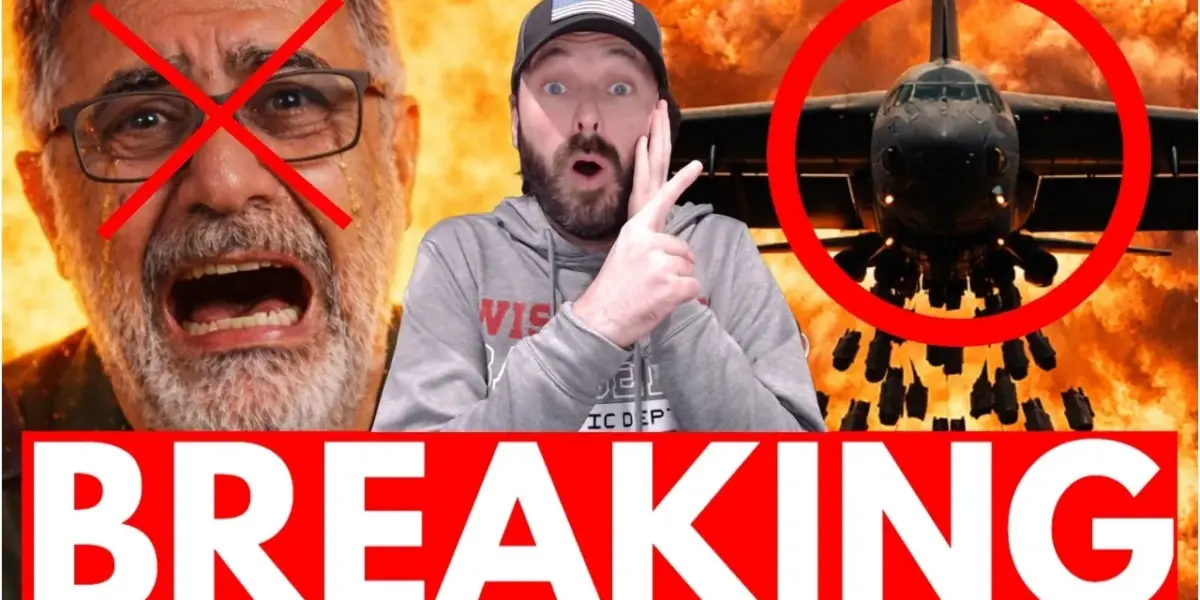
US Bombs Iran: Escalation Mounts, Leaders Fall
On the morning of March 27th, major news broke regarding significant military action in the Middle East. The United States appears to have launched what could be the largest strike package of the ongoing conflict so far. U.S. bombers are reportedly targeting key sites within Iran, while Iran continues its own offensive actions. This escalation comes with a notable statement from former President Trump regarding future steps in the conflict.
Targeting Critical Iranian Infrastructure
The focus of the U.S. strikes is reportedly on Esvahan, Iran. This city is considered critically important because it is believed to be a location where Iran hides enriched uranium. Some reports suggest this uranium could be enriched to 60%, with other estimates pointing as high as 80%. This level of enrichment is concerning as it brings Iran closer to weapons-grade material.
U.S. military strategy appears to be aimed at weakening Iran’s capabilities before any potential ground operation. This involves “softening the target” and “setting the table” for future actions. Massive bombing runs are underway in the Esvahan area to reduce resistance. Reports indicate these strikes are hitting underground missile sites and armories storing weapons and ammunition.
These actions aim to cripple Iran’s ability to launch missiles and wage war. The Israeli military has also reportedly joined in, hitting the IRGC aerospace force headquarters in Tehran. This facility is responsible for Iran’s ballistic missile program. The strikes are described as continuous, with U.S. F-35s refueling in mid-air after missions, indicating a high operational tempo.
Key Iranian Leaders Eliminated
In addition to infrastructure attacks, the conflict has seen the elimination of high-ranking Iranian officials. Following reports of the head of Iran’s Navy being killed, General Benham Razi, the IRGC Navy’s deputy intelligence chief, was also reportedly killed in the same strike. These targeted killings are seen as crippling Iran’s naval capabilities.
The destruction of Iran’s military assets and leadership is a significant development. However, Iran is not without the means to retaliate. Footage has emerged showing strikes in Kuwait, attributed to Iran, causing damage and destruction. Iran has also launched ballistic missiles and one-way attack drones towards targets like Israel and the UAE.
Iran’s Retaliation and Remaining Capabilities
Iran has demonstrated its ability to strike back. Reports indicate that Iran launched six ballistic missiles and nine drones at the UAE. This suggests the UAE remains a high-priority target for Iran. Despite these attacks, Israeli security officials believe Iran still possesses enough launchers and teams to continue firing missiles for several weeks.
This indicates the conflict is far from over and fighting is expected to continue. The ongoing exchange of fire and strikes highlights the volatile situation in the region.
US Considering Major Ground Operation
As the conflict intensifies, the United States is reportedly debating sending an additional 10,000 combat troops to the Middle East. This is on top of thousands already being deployed. Such a move would significantly increase U.S. ground forces in the region, signaling serious preparation for a major ground operation inside Iran.
White House officials believe that capturing Kar Island could be a decisive blow. This island is crucial for Iran’s oil exports, and controlling it would cripple the IRGC, which is funded by oil revenue. Taking control of Kar Island could effectively bankrupt the IRGC and lead to a definitive end to the war, according to some officials.
Trump Delays Energy Plant Strikes
In a separate but related development, former President Trump announced a delay in strikes targeting Iranian energy plants. At the request of the Iranian government, these strikes are postponed until April 6, 2026. Talks are reportedly ongoing, and despite contrary reports from some media outlets, they are described as progressing well.
Why This Matters
The current situation represents a significant escalation in the Middle East. The targeting of critical Iranian nuclear facilities and military leadership, coupled with Iran’s retaliatory strikes, raises the stakes considerably. The potential for a large-scale U.S. ground operation in Iran, if it occurs, would have profound and far-reaching consequences for the region and global stability.
Historical Context and Trends
Tensions between the U.S. and Iran have been high for decades, marked by various incidents and proxy conflicts. The ongoing conflict appears to be an intensification of these long-standing issues. The focus on Iran’s nuclear program and its regional influence are key drivers of this friction. The use of advanced military technology by both sides, from bombers to ballistic missiles and drones, reflects modern warfare trends.
Implications and Future Outlook
The coming days and weeks will be critical in determining the future course of this conflict. The decision on whether to commit substantial ground forces, the progress of any ongoing negotiations, and Iran’s continued ability to retaliate will all play a role. The potential economic and geopolitical impacts of controlling key Iranian resources like Kar Island are substantial. The situation demands careful observation as it unfolds, with the possibility of further escalation or de-escalation depending on the actions of all parties involved.
Source: U.S. Bombers CRUSH Iran – Another Major Leader KILLED (YouTube)

Related Articles

US Forces Iran’s Hand in Strait of Hormuz Showdown
Iran's attempt to impose tolls on the Strait of Hormuz has sparked international concern and a strong U.S. response. Experts discuss the need for allied cooperation and sustained security operations to keep vital shipping lanes open. The situation highlights the complex geopolitical dynamics and the U.S. strategy of using force to back negotiations.
Iran Strikes Saudi Base, US Escalates Air Campaign
Iran launched a drone and missile attack on Prince Sultan Air Base in Saudi Arabia, wounding U.S. personnel and damaging aircraft. In response, the U.S. is intensifying air strikes on Iranian military targets. The Houthis have also joined the conflict, launching a projectile towards Israel. The ongoing conflict highlights the strategic importance of the Straits of Hormuz and the continued reliance on advanced air power.
Mixed Signals: Trump’s Iran Stance Fuels War & Negotiation Chaos
Conflicting messages from Donald Trump regarding Iran's Strait of Hormuz threats and subsequent negotiation claims create diplomatic chaos. Expert analysis highlights the importance of autonomy in negotiation and warns against arbitrary deadlines, while the core question of U.S. involvement in such conflicts remains.