US Bombs Iran Bunker as Peace Talks Officially Crumble
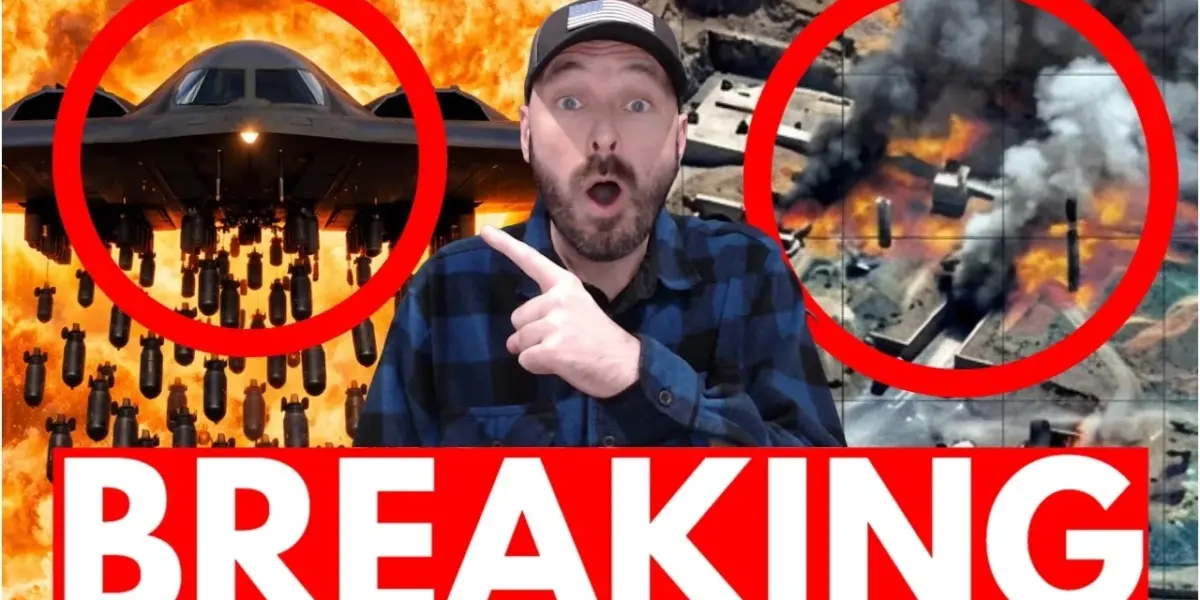
B-2 stealth bombers have destroyed a secret Iranian bunker as peace talks officially collapse. Iran has rejected a ceasefire proposal, signaling a potential for prolonged conflict. The U.S. has demonstrated its advanced military capabilities, while tensions remain high across the Middle East.

US Bombs Iran Bunker as Peace Talks Officially Crumble
Major military action is unfolding in the Middle East. On April 6, news broke that B-2 stealth bombers destroyed a secret Iranian bunker. This strike happened at the same time a rescue mission for a missing US weapons officer was underway. These events coincide with Iran rejecting a new ceasefire proposal. This rejection signals a deepening of the conflict, with diplomatic efforts failing.
Iran Rejects Peace Efforts
According to state-run media, Iran has turned down the latest ceasefire offer presented by mediators. Multiple news outlets are reporting this refusal. The United States has been trying to find a way to a ceasefire. The goal was to reopen key shipping lanes, like the Strait of Hormuz, which Iran has threatened to close. Iran’s rejection shows they are unwilling to negotiate. Some reports suggest Iran isn’t even responding to US proposals. This stance indicates Iran’s desire to continue the conflict and potentially disrupt global economies by controlling vital shipping routes.
Massive Strike on Secret Bunker
While diplomatic efforts collapsed, a significant military operation took place. U.S. military sources revealed that while the rescue operation for the downed airman was in progress, a strike was ordered on an IRGC (Islamic Revolutionary Guard Corps) headquarters. This facility was located in an underground location near Tehran. The strike was carried out using B-2 bombers, equipped with Massive Ordnance Penetrator (MOP) bunker buster bombs. These are the same powerful weapons used in past operations, like ‘Midnight Hammer’.
The B-2 bombers used bunker buster bombs, weighing 30,000 pounds each, to obliterate this secret underground bunker for IRGC leadership. These are weapons for which the Iranians have no defense.
This strike targeted a deeply buried facility, suggesting a strategic aim to degrade Iran’s command and control capabilities. The use of such heavy ordnance highlights the U.S. military’s ability to strike hardened targets effectively.
Ongoing Strikes and Iranian Response
Beyond the bunker strike, other military actions are reportedly continuing. Footage has emerged showing strikes on what appear to be gas fields and a prochemical facility in Bashure. These locations have reportedly taken heavy damage. In response to these actions, Iran has activated its anti-aircraft defenses. Heavy fire has been reported over Tehran, with both American and likely Israeli planes in the sky. There is also footage showing Iranian forces firing heavy weapons at helicopters involved in the rescue mission. While these attempts did not succeed in shooting down the aircraft, some helicopters were reportedly hit.
Trump’s Stance on Escalation
Former President Donald Trump has commented on the situation, emphasizing a firm approach. He stated that if a deal is not reached with Iran, the U.S. has the capability to escalate significantly. Trump suggested targeting Iran’s infrastructure, including power plants and oil facilities, if necessary. He also confirmed reports that helicopters involved in the rescue mission sustained bullet damage. Trump indicated that a specific deadline, likely Tuesday, is in place before further escalation might occur.
Broader Regional Impact
The conflict is also affecting neighboring regions. Israel has reportedly been hit by what appears to be cluster munitions. Footage shows a car being destroyed and a building impacted. Additionally, ballistic missiles have been launched from Isfahan, heading towards targets across the Middle East. The U.S. military has released footage of fighter jets taking off for further strikes within Iran.
Why This Matters
The collapse of ceasefire negotiations, coupled with significant military strikes, marks a critical escalation in the conflict. The destruction of a secret Iranian bunker with advanced weaponry demonstrates a clear U.S. intent to degrade Iran’s military capabilities. Iran’s rejection of diplomacy and its retaliatory anti-aircraft fire suggest a prolonged and potentially wider conflict. The involvement of B-2 bombers and bunker-buster munitions signifies a high-stakes military engagement, aimed at deep-penetration targets. The situation also highlights the volatile security environment in the Middle East, with impacts felt across the region, including direct strikes on Israel.
Implications and Future Outlook
With negotiations failing, the immediate future points towards continued military action. The U.S. has shown its capacity for swift and decisive strikes against hardened targets. Iran’s response, while not yet overwhelming, indicates a willingness to engage. The potential for further escalation, as suggested by former President Trump, could involve attacks on critical infrastructure, raising concerns about global economic stability, particularly concerning oil supplies and shipping lanes. The ongoing missile launches and strikes on Israel add layers of complexity and risk to the situation.
Historical Context
Tensions between the U.S. and Iran have been high for decades, marked by proxy conflicts, sanctions, and nuclear program disputes. The Strait of Hormuz has historically been a point of contention, with Iran often threatening to disrupt shipping. The use of advanced stealth bombers like the B-2 signifies a long-standing U.S. military advantage in projecting power into contested regions. Operations like ‘Midnight Hammer’ are indicative of specialized missions designed to neutralize deeply buried or fortified enemy assets. This current escalation follows a pattern of strategic maneuvering and response between the two nations.
Trends and Future Outlook
This event underscores a trend of direct military engagement rather than solely relying on sanctions or diplomacy. The precision and power of the weapons used, like the GBU-57 MOP, show a focus on achieving decisive battlefield outcomes. The concurrent rescue operation also highlights the dual nature of modern military operations: combining offensive actions with personnel recovery. As the situation evolves, the focus will be on whether diplomacy can be revived or if the conflict will spiral further, potentially drawing in more regional actors. The coming days, especially around the mentioned Tuesday deadline, will be crucial in determining the trajectory of this escalating conflict.
Source: B-2 Bombers OBLITERATE Secret Iran Bunker – Negotiations Collapse (YouTube)

Related Articles


Trump Hosts Easter Egg Roll, Addresses Iran Tensions
President Trump and First Lady Melania Trump hosted the annual White House Easter Egg Roll, a day marked by family festivities and serious geopolitical discussions. The President addressed ongoing tensions with Iran, highlighting a recent military rescue and the nation's economic strength. The event also celebrated American egg farmers and the enduring traditions of the White House.

Iran Rejects Ceasefire, Escalates Mideast Tensions
Iran has rejected a 45-day ceasefire proposal, offering its own 10-point plan instead. This move escalates tensions in the Middle East, with threats to the vital Strait of Hormuz looming. World leaders are concerned about potential disruptions to global oil supplies and further conflict.


Russia Demands US Drop Ultimatums Amidst Escalating Tensions
Russian Foreign Minister Sergey Lavrov urged the U.S. to abandon ultimatums and return to negotiations. This call coincides with a devastating civilian attack in Odessa and ongoing U.S.-Iran talks for a potential ceasefire. Meanwhile, U.S. military stockpiles are reportedly depleted, and Ukraine continues drone strikes on Russian oil ports.