US Bombs Dairy Farm: Military Strikes Questioned
An investigation revealed the US military struck a dairy farm in Ecuador instead of a cartel compound, raising questions about intelligence and propaganda. Further operations in the Caribbean have also faced criticism for lack of evidence and potential illegality, with the DOJ reportedly investigating a critical Colombian president.

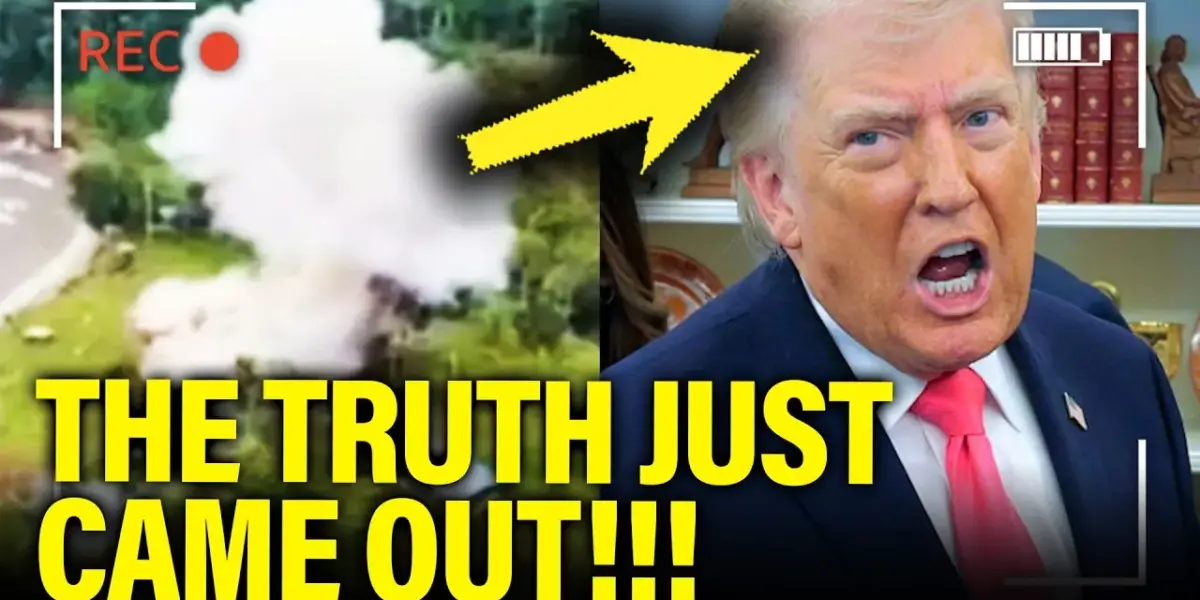
US Bombs Dairy Farm: Military Strikes Questioned
The United States military has been involved in operations that are facing serious questions about their effectiveness and legality. One such operation, called Operation Southern Spear, involved a reported strike on a cartel compound in Ecuador. However, an investigation by The New York Times revealed that the target was actually a dairy farm. This incident, along with other military actions, raises concerns about the competence and transparency of US foreign policy.
Ecuador Strike Hits Dairy Farm, Not Cartel
Pentagon spokesperson Sean Panel announced that the US had successfully executed a military strike against cartel members in Ecuador. This claim was amplified by Pete Hegseth and former President Donald Trump. But The New York Times investigation paints a very different picture. The target was a dairy farm, not a cartel compound.
The owner of the farm, Miguel, had purchased the property six years prior for $50,000 with his savings. He told the newspaper that his farm consisted only of wooden shelters for cheese production and equipment storage. The New York Times presented photographic evidence of dead and surviving animals on the farm, starkly contrasting with the official narrative of a successful strike against criminals.
Furthermore, reports indicate that the United States did not even carry out the strike itself. Ecuador’s government stated that they conducted the operation based on intelligence provided by the US. This suggests a significant intelligence failure and a misrepresentation of facts to the American public. The lack of photographic evidence of seized weapons or drugs, which is customary when Ecuador targets cartels, further supports the idea that the target was not a criminal organization.
Caribbean Strikes Face Legal and Effectiveness Challenges
Beyond the Ecuador incident, the US has also been conducting strikes against alleged cartel boats in the Caribbean. According to the transcript, these strikes have resulted in the deaths of 157 people. However, there is a lack of concrete evidence presented to Congress or the public that these individuals were indeed cartel members. Families of those killed have filed lawsuits in federal court and appealed to the United Nations, claiming their family members were not involved in criminal activity.
Despite these concerns, the US appears to be planning an expansion of its military presence in South America. Assistant Secretary under the Department of War, Joseph Humire, testified to Congress that the US might conduct unilateral strikes within South American countries, meaning without their permission. This could even include ground operations. Currently, thousands of US troops are stationed in the Caribbean, a deployment that occurred without explicit congressional approval.
The effectiveness of these ongoing operations is also questionable. While the number of border crossings by water may have decreased, it is unclear if land crossings have increased. Millions of taxpayer dollars are being spent daily on this military presence, with no clear evidence of success or a defined endgame.
Weaponizing the DOJ Against Critics
The criticism of US foreign policy actions has not gone unnoticed. Gustavo Petro, the president of Colombia, has been a vocal critic of these US operations, including the arrest of Maduro and the bombing of cartel boats. He has called for other South American countries to unite against US actions.
In response to this criticism, the Department of Justice (DOJ) has reportedly opened two criminal investigations into President Petro. These investigations, originating from Manhattan and Brooklyn, reportedly focus on allegations of meetings with cartel leaders and the use of drug money in his campaign. This action is seen by critics as a politically motivated attempt to silence a dissenting voice.
The irony of the US DOJ investigating campaign finance in another country is not lost on observers, especially given past controversies surrounding campaign funding and the use of funds for legal defense by some US political figures. The transcript points out that this move appears to be part of a pattern of the DOJ going after critics of the Trump administration.
Propaganda and Incompetence in Military Operations
The report of the dairy farm bombing comes at a time when reports suggest that President Trump receives war briefings in video montage format, rather than traditional briefings. This is seen by some as an indication of an unserious approach to complex geopolitical issues. The use of video game-style montages to portray military success is likened to propaganda, raising concerns about how the public is being informed about ongoing conflicts.
Whether these instances of misinformation and questionable military actions stem from deliberate deception or sheer incompetence, the outcome is the same: taxpayer money is being used for operations that lack clear legal standing, demonstrable success, and public trust. The US military is being deployed globally in ways that are increasingly being challenged for their legality and effectiveness.
Why This Matters
These events highlight critical issues of accountability, transparency, and the responsible use of military power. When the US government misrepresents military actions, targets civilian property, and faces accusations of using its justice system against political opponents, it erodes trust both domestically and internationally. The lack of clear legal authorization and measurable success for some of these operations raises fundamental questions about the direction of US foreign policy and the oversight of military actions.
Implications and Future Outlook
The trend of conducting military operations with questionable intelligence and without robust public or congressional approval could lead to further international incidents and strained diplomatic relations. The potential for expanding unilateral military actions in South America, as suggested by testimony, could destabilize the region. The use of the DOJ against critics, if proven to be politically motivated, sets a dangerous precedent.
Moving forward, there is a clear need for greater transparency in military operations, rigorous intelligence vetting, and adherence to legal frameworks. Public and congressional oversight must be strengthened to ensure that American taxpayers’ money is being used effectively and ethically. The international community will likely continue to scrutinize US actions, demanding accountability and respect for international law.
Source: Trump CAUGHT as Truth SURFACES about STRIKES!!! (YouTube)

Related Articles

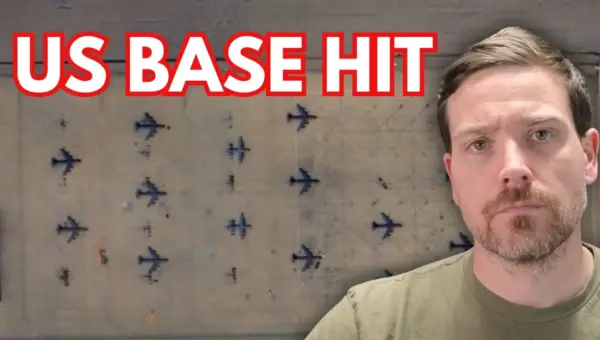
Iran Strikes US Base: Are We Learning from Mistakes?
A recent Iranian drone and missile attack wounded American service members and damaged aircraft in Saudi Arabia. This incident highlights concerns about military preparedness and the failure to learn from past mistakes, as exposed aircraft remain vulnerable targets. The ongoing conflict involves complex regional dynamics, including Iran's missile capabilities and the potential involvement of groups like the Houthis, raising questions about future stability.


MAGA Faces Crisis: Internal Strife and Public Doubt Emerge
The MAGA movement is reportedly facing internal divisions and growing public doubt. Key issues like the Iran conflict and economic concerns are creating rifts within the base, while criticism questions the movement's appeal and direction. These factors suggest a potential fracturing of the once-unified political force.
Saudi Prince Pushes Trump Toward Iran War Escalation
Saudi Crown Prince Mohammed bin Salman is reportedly urging President Trump to escalate attacks on Iran, pushing for strikes on its energy infrastructure. This strategy would likely harm ordinary Iranians while benefiting Saudi economic interests and the U.S. military-industrial complex. The situation highlights concerns over foreign influence on U.S. foreign policy and the human cost of conflict.