US Blocks Hormuz Blockade: Experts Warn of Oil Crisis
The U.S. Navy has initiated a blockade of the Strait of Hormuz, a vital global oil chokepoint, in response to Iran's actions. Experts like Ben Friedman of Defense Priorities are skeptical, warning the move could worsen the global oil shortage and might not achieve its intended goals. The strategy faces operational challenges and potential diplomatic pushback.

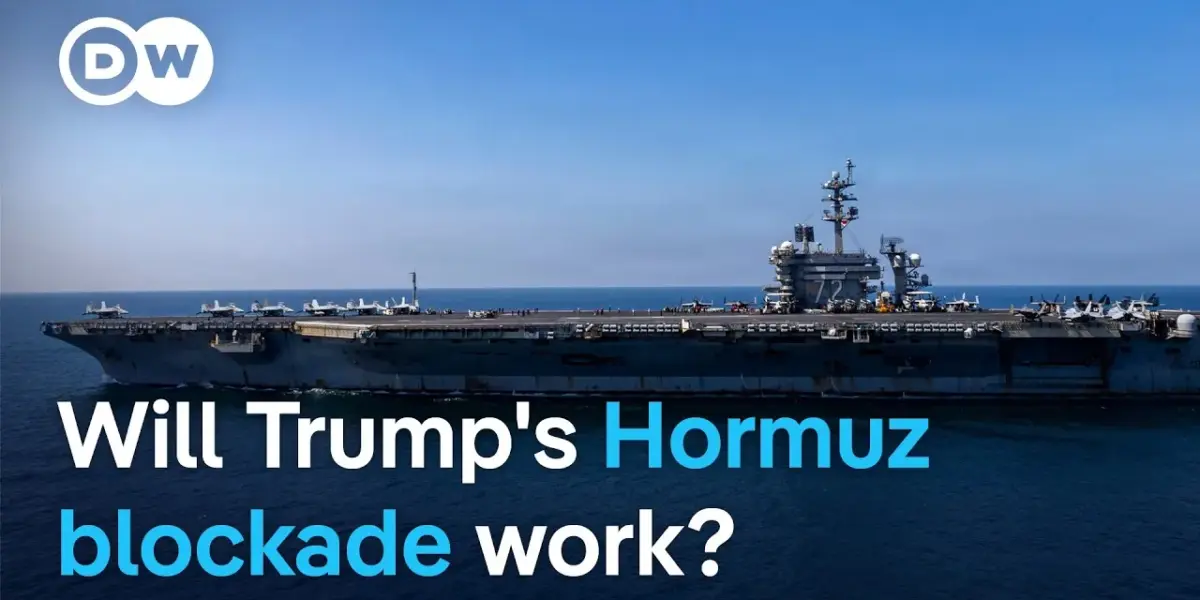
US Navy Blockades Strait of Hormuz, Experts Skeptical
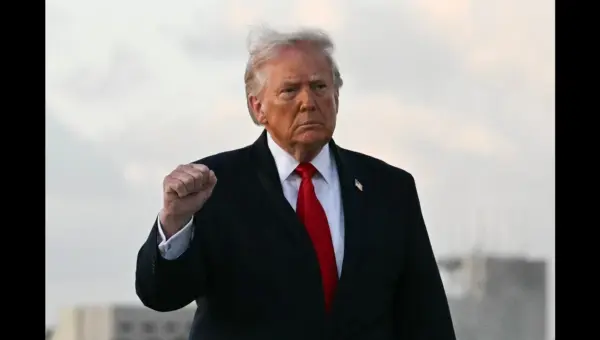
In a significant escalation of tensions, the United States Navy has begun blockading all ships attempting to enter or leave the Strait of Hormuz, a critical global energy chokepoint. President Trump announced the immediate action, stating the U.S. Navy would interdict any vessel that has paid tolls to Iran. He also warned of severe retaliation against any Iranian forces that fire on U.S. or allied ships.
This move is seen as a direct counter to Iran’s previous blockade of the strait, which has disrupted global oil supplies. However, policy experts express strong doubts about the effectiveness of the U.S. action, predicting it could worsen the global oil shortage and potentially lead to further conflict.
“Cutting Off Your Nose Despite Your Face”
Ben Friedman, policy director at Defense Priorities, described the U.S. strategy as “cutting off your nose despite your face.” He explained that past experiences show Iran has an advantage in a contest of wills, especially when facing public pressure over rising gas prices.
“Experience suggests that it’s not going to work. I mean, this is going to make, if he actually executes it for a period of time, it’s going to make the world oil shortage substantially worse.”
Friedman believes the U.S. is gambling that Iran will yield first, but historical evidence suggests otherwise. He argues that the U.S. administration will struggle with the domestic political pressure caused by higher energy prices. This, he predicts, will put the U.S. back in a position where it needs to seek a deal.
Trump’s Strategy and Iranian Response
President Trump’s directive, posted online, clearly outlines the intent: block all Iranian ports and interdict ships dealing with Iran. The Strait of Hormuz is vital, with about 30% of the world’s seaborne oil passing through it. Iran’s ability to control or disrupt passage there gives it significant leverage over the global economy.
Friedman suggests the U.S. strategy relies on squeezing Iran’s oil exports to force concessions. However, he questions the logic, noting that Iran views the current situation as an existential war for survival. The U.S. demands, even reduced ones, aim to strip Iran of its deterrent capabilities, making it unlikely that Iran will easily back down.
Comments from Iran’s Supreme Leader indicate the country is preparing for a new phase in managing the waterway, signaling a doubling down on its strategy. This suggests Iran will not passively accept the U.S. blockade.
Risk of Backfire and Limited Naval Capacity
The potential for the U.S. blockade to backfire is a significant concern. Trump’s threats of renewed air strikes if Iran does not comply could lead to further escalation. Friedman points out that Trump has a pattern of making escalatory threats and then backing away, but the risk of miscalculation remains.
The operational challenges of enforcing such a blockade are also substantial. Friedman expressed skepticism about the U.S. Navy’s ability to fulfill all of Trump’s objectives, including blockading all shipments, escorting friendly vessels, and ensuring free passage, with the current number of ships.
“Blockading oil ships is doable. Blockading all shipments is hard. Blockading all shipments while also doing an escort mission is probably going to be impossible given the numbers involved.”
Furthermore, the U.S. naval presence in the Persian Gulf could divert resources from other potential flashpoints, such as the South China Sea or support for Ukraine. This contradicts the stated U.S. national security strategy of reducing focus on the Middle East.
International Support and Diplomatic Alternatives
President Trump has sought international support for his actions, reportedly pressuring European allies. However, European nations have shown reluctance to commit naval assets. British Prime Minister Boris Johnson mentioned a coalition of over 30 countries working on diplomatic and military plans, but details remain vague.
Friedman suggests that better diplomatic alternatives exist. He argues the U.S. has demanded too much from Iran and should focus on a single goal: ensuring free passage through the Strait of Hormuz. He proposes offering Iran assurances against further attacks, possibly including Israeli actions, and some sanctions relief in exchange for Iran ceasing its disruption of the strait.
Looking Ahead: Negotiations and Status Quo Ante?
Friedman predicts that the U.S. blockade plan is unlikely to be sustained due to its perceived ineffectiveness. He anticipates continued negotiations, possibly through indirect channels, and a renewed ceasefire effort. He suggests that the current U.S. actions might be short-lived, with a high “noise to action ratio.”
Ultimately, Friedman hopes for a return to the status quo ante bellum – the situation before the conflict, where the Strait of Hormuz was open and Iran was largely left to its own regional activities. He believes that after some further conflict, this outcome is achievable through diplomatic means, potentially offering a more stable resolution than further military confrontation.
Source: How to block a blockade: Next Hormuz standoff imminent | DW News (YouTube)

Related Articles

Ukraine Strikes Cripple Russia’s War Chest
Ukraine's targeted strikes on Russian oil and gas infrastructure are severely damaging Moscow's war funding capabilities. Analyst Jason J. Smart notes these attacks cripple Russia's economy, making it difficult to sustain the conflict and potentially destabilizing the Putin regime. Peace talks remain stalled due to Russian maximalist demands.
Trump Orders Strait of Hormuz Blockade After Talks Fail
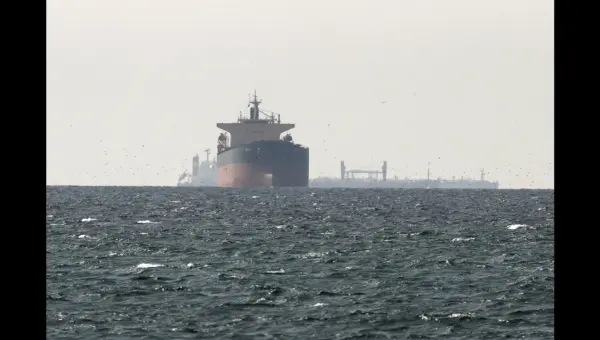
President Trump has ordered a US Navy blockade of the Strait of Hormuz after peace talks with Iran failed. The move aims to prevent Iran from developing nuclear weapons and stops ships paying illegal tolls. This escalates regional tensions significantly.
Trump Warns China: 50% Tariffs Loom for Iran Arms Support
President Trump has threatened China with 50% tariffs if it supplies weapons to Iran, citing U.S. intelligence reports of impending air defense system shipments. This move could severely impact U.S.-China relations, especially with a high-level meeting scheduled for May. The situation underscores China's complex role in balancing regional stability with its economic interests.