US Blockades Iranian Ports, Strait of Hormuz Access Maintained
The US Navy has begun blockading Iranian ports, aiming to increase economic pressure while allowing international vessels continued access through the Strait of Hormuz. Analysts express concerns about potential escalation risks despite the move being seen as a step back from broader threats.

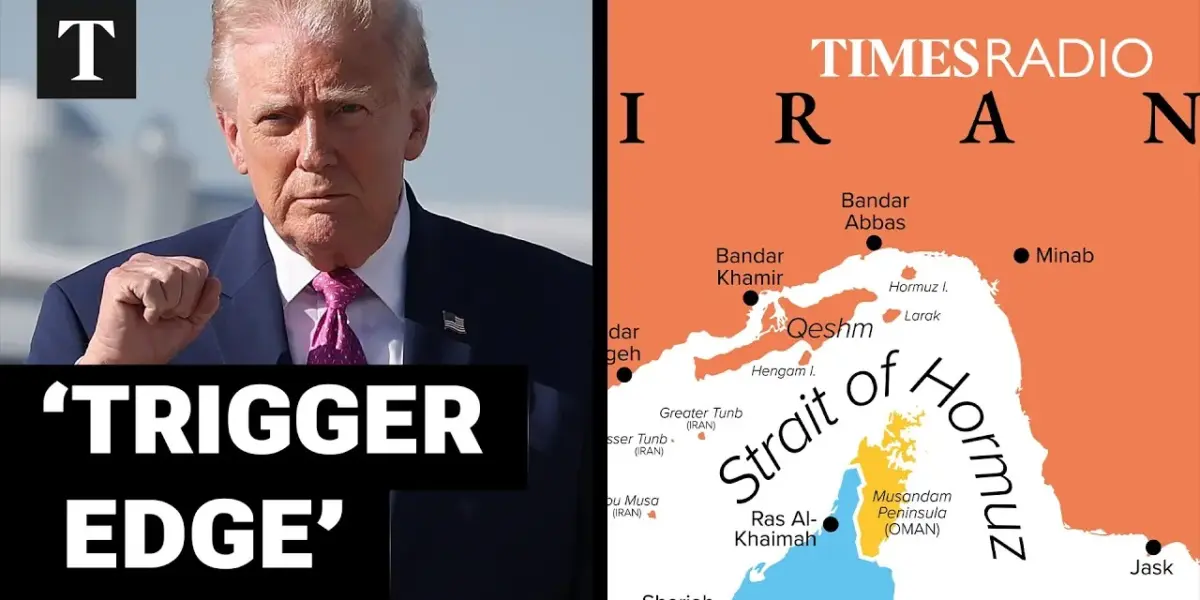
US Navy Enforces Port Blockade, Strait of Hormuz Remains Open
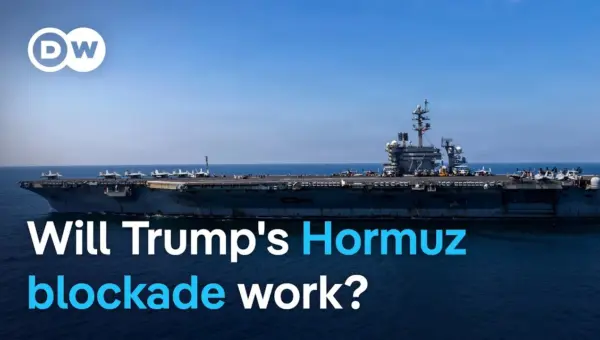
The United States Navy has initiated a blockade of Iranian ports, a move aimed at increasing economic pressure on Iran. The blockade began this afternoon, British time. However, the US military has stated that vessels from other nations will still be permitted to travel through the crucial Strait of Hormuz.
This plan represents a scaling back from earlier threats made by former President Donald Trump, who had previously suggested a complete blockade of all ships entering or leaving the strait. The current strategy focuses on restricting Iran’s oil exports while allowing international trade to continue through the vital waterway.
President Trump’s Optimism and Nuclear Concerns
Speaking to reporters, former President Trump expressed optimism about the blockade’s potential impact. “We have a blockade going into effect,” he stated. “Other nations are working so that Iran will not be able to sell oil.” He also highlighted the abundance of oil available from other sources, suggesting that ships seeking oil would not need to transit the Strait of Hormuz.
Trump reiterated his administration’s primary objective: preventing Iran from developing nuclear weapons. “Iran will not have a nuclear weapon. We will not have there is no way that they’re going to get,” he asserted. He also indicated indifference to whether Iran resumed diplomatic talks, stating, “If they don’t come back, I’m fine.”
Analysis: Economic Pressure and Escalation Risks
Steve Erlinger, chief diplomatic correspondent in Europe for The New York Times, offered his perspective on the situation. “One thing is clear is he wants to put more economic pressure on Iran,” Erlinger explained. “By shutting off that trade he’s obviously ratcheting up economic pressure on Iran.”
However, Erlinger also pointed out the inherent risks. “They say that ships coming from non-Iranian ports will be allowed through, but that assumes that Iran isn’t going to fire on any of them,” he noted. “It just takes a drone, a missile, something to start it up again, and then we could have a very quick resumption of hostilities.” He described the situation as “unclear” and “risky,” suggesting that the US Navy would require significant resources to implement the blockade effectively, and it remains uncertain if allies will provide support.
Complexities of Enforcement and Geopolitical Dangers
The practicalities of enforcing such a blockade are complex. Identifying the origin and destination of vessels, boarding them, and establishing rules of engagement present significant challenges. A key concern is the potential for escalation with major global powers, particularly China.
“I think the Chinese will take this very seriously. They’re not looking for confrontation either… I think that it’s very very possible this blockade will work, but I don’t think it will bring an end to the war.”
Erlinger believes that while the blockade might be effective in pressuring Iran economically, it is unlikely to resolve the underlying conflict. The larger question, he suggests, is how to return to meaningful negotiations. He noted that despite Trump’s public statements, he likely does care about resuming talks.
Historical Precedents and Potential for Accidental Escalation
Military history offers numerous examples of accidental escalations. The current situation near the Strait of Hormuz is described as being “on a trigger edge.” Any serious violation of the ceasefire or further action against Iranian infrastructure could prompt retaliation against Saudi Arabia and other Gulf nations, which regional powers wish to avoid.
The blockade is also seen as a public relations move for Trump following the failure of talks in Islamabad. While it could be a relatively benign action, the potential for unintended consequences from military confrontations is a significant concern.
The Nuclear Question and Future Negotiations
The core issue driving the conflict remains Iran’s nuclear program. The 2015 Joint Comprehensive Plan of Action (JCPOA), which limited Iran’s nuclear activities, was abandoned by the Trump administration. Now, the expiration of certain provisions in the JCPOA has increased the risk of Iran pursuing nuclear deterrence, especially after the death of Supreme Leader Ayatollah Khamenei, who had previously issued a fatwa against nuclear weapons.
The US objective appears to be a complete halt to Iran’s uranium enrichment and the removal of all highly enriched uranium. While Iran might agree to the latter, it wishes to retain the right to enrich uranium under strict international supervision. A potential outcome could be a return to a framework similar to the JCPOA, albeit without the original time limits.
Economic Fallout and Best-Case Scenarios
The implementation of the blockade is expected to have a significant negative impact on the global economy. Increased fuel prices and inflation are likely consequences, potentially costing a substantial amount of money. The best-case scenario, according to analysts, is that these economic costs are absorbed as a sunk cost, and the situation returns to a state similar to pre-war conditions.
Some also hope for long-term effects, such as the eventual rise of the Iranian people against their government. However, the immediate outlook remains uncertain, with the potential for continued instability and conflict.
Geopolitical Divisions and Defense Weaknesses Exposed
The situation has further highlighted deep divisions among global powers. The UK’s decision to stay out of the naval operation has been framed domestically as a politically astute move. However, it has also exposed perceived weaknesses in the UK’s own defense capabilities.
Experts who were previously hesitant to speak out are now more vocal about the inadequacy of defense investment and planning. The current geopolitical climate necessitates a serious re-evaluation of national defense strategies and international cooperation.
Looking Ahead
As the blockade takes effect, the world will be watching closely to see how Iran responds and whether diplomatic channels can be reopened to de-escalate tensions. The focus will remain on preventing nuclear proliferation while managing the immediate economic and security risks in the volatile Strait of Hormuz region.
Source: US Strait Of Hormuz Blockade ‘Could Work But Won’t End War’ (YouTube)

Related Articles
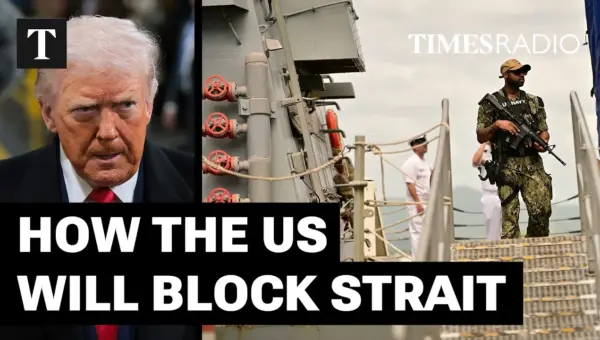
US Blockades Iran Ports, Fueling Oil Price Fears
The US Navy is reportedly moving to blockade Iranian ports, sparking fears of rising global oil prices. While the US aims to stop ships leaving Iran, the action raises concerns about regional stability and potential escalation. Experts warn that this could disrupt oil supplies and lead to further price hikes.

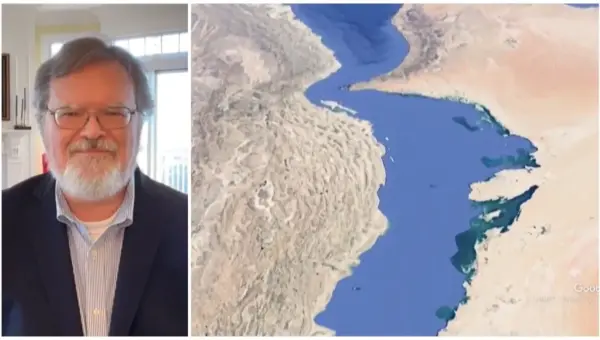
Trump’s Hormuz Gambit: Iran’s Oil Lifeline Severed
President Trump's announcement of a blockade on the Strait of Hormuz aims to cut off Iran's oil revenue. Analyst Rod Martin views this as a strategic move to neutralize Iran's long-standing threat to global oil markets. The action could lead to lower oil prices globally and significant pressure on the Iranian regime, potentially forcing it to abandon its nuclear ambitions.
US Blocks Hormuz Blockade: Experts Warn of Oil Crisis
The U.S. Navy has initiated a blockade of the Strait of Hormuz, a vital global oil chokepoint, in response to Iran's actions. Experts like Ben Friedman of Defense Priorities are skeptical, warning the move could worsen the global oil shortage and might not achieve its intended goals. The strategy faces operational challenges and potential diplomatic pushback.