US Blockades Iran; Trump Threatens Naval Annihilation
The US has implemented a naval blockade on Iranian ports, with President Trump issuing a stark warning to destroy any Iranian ships that approach. This move significantly escalates tensions and is expected to impact global oil prices, particularly affecting Asian nations like China. The strategy aims to pressure Iran back to negotiations, but carries risks of wider conflict.

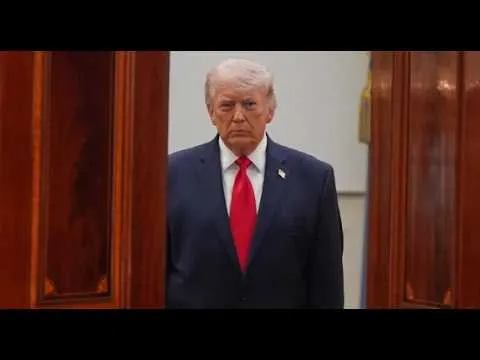
US Enforces Naval Blockade on Iran, Trump Issues Stark Warning
The United States has initiated a naval blockade targeting Iranian ports. President Trump issued a strong warning to Iran, vowing to destroy any Iranian ships that approach the US blockade. This move signals a significant escalation in tensions between the two nations.
Details of the Blockade and Trump’s Ultimatum
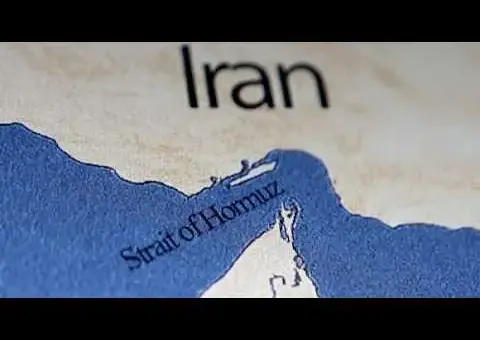
President Trump announced on Sunday that the US would enforce a blockade on all ships entering and leaving Iranian ports via the Strait of Hormuz. This action went into effect at 10:00 a.m. Eastern time. US Central Command stated that ships not heading to Iranian ports would still be permitted to pass through the Strait of Hormuz.
Adding to the stern message, President Trump declared that Iran’s navy would be “laid at the bottom of the sea, completely obliterated.” He specifically mentioned that 158 ships had already been targeted. The President noted that a small number of fast attack ships were not hit because they were not seen as a significant threat. He then issued a direct threat: if any of these ships come anywhere close to the US blockade, they will be “immediately eliminated.” Trump compared this action to the methods used against drug dealers’ boats at sea, underscoring the severity of his warning against any interference with the enforced blockade.
Economic Impact and Global Oil Trade
President Trump believes this blockade will be highly effective, even suggesting it could drive oil traffic towards the US. He stated that other nations are working to prevent Iran from selling oil, which he expects to be very impactful. He also observed many boats heading towards the US to fill up with oil, implying a shift in global oil logistics away from Iran.
The Strait of Hormuz is a critical waterway for global oil transport. About one-fifth of the world’s oil passes through it daily. However, the majority of this oil, around 90%, is destined for Asia. China, a major ally of Iran, accounts for approximately 40% of this oil. In contrast, the US relies on only about 2.5% of the oil passing through the strait. Therefore, the blockade is expected to impact Asian countries, particularly China, much more severely than the US or its European allies in the short term. Reports suggest China might send more air defense weapons to Iran, a move President Trump warned would lead to “big problems” for China.
Simultaneously, the US is experiencing a surge in its own oil production. US crude oil exports reached a record 4.9 million barrels per day in April, suggesting the US is benefiting from the current strategy.
Diplomatic Stalemate and Future Outlook
This action follows marathon talks with Iran over the weekend in Pakistan, which reportedly failed to achieve a deal. US officials stated that Iran refused to abandon its nuclear ambitions, a key point of contention.
President Trump has kept the door open for Iran to return to negotiations. However, he also expressed indifference, stating that he is fine even if they do not return. He asserted that Iran’s military capabilities are significantly diminished, with their missiles and drone manufacturing largely defeated. He claimed the US had been “very nice” and had not destroyed many facilities, except for one instance where Iran broke its word about opening the Strait of Hormuz, which he called a lie.
Furthermore, President Trump threatened to target Iran’s energy infrastructure, including its electric generating plants and water infrastructure, calling them “very easy to hit.” A White House official confirmed that the President is wisely keeping all options on the table.
Why This Matters
The US blockade of Iranian ports and President Trump’s aggressive rhetoric represent a significant escalation in the ongoing conflict between the two nations. This move has immediate implications for global oil markets, with potential price surges and disruptions, particularly affecting Asian economies heavily reliant on Strait of Hormuz oil shipments. The strategy also highlights a broader US effort to isolate Iran economically and militarily, driven by concerns over its nuclear program and regional actions.
The situation underscores the delicate balance of power in the Middle East and the potential for miscalculation to lead to wider conflict. The economic pressure applied through the blockade, coupled with direct military threats, aims to compel Iran back to the negotiating table. However, such aggressive tactics also risk provoking a strong, potentially destabilizing, response from Iran or its allies. The effectiveness and long-term consequences of this strategy remain to be seen, but it clearly signals a period of heightened geopolitical tension.
Historical Context
Tensions between the US and Iran have been high for decades, particularly since the 1979 Iranian Revolution. Disputes have centered on Iran’s nuclear program, its support for regional militant groups, and its interference with international shipping. Previous US administrations have employed various strategies, including sanctions and diplomatic pressure, to curb Iran’s influence and nuclear ambitions. The Trump administration has adopted a more confrontational approach, withdrawing from the Iran nuclear deal and imposing “maximum pressure” sanctions. The current blockade and military threats represent a significant escalation within this long-standing adversarial relationship.
Implications and Future Outlook
The immediate future will likely see continued volatility in oil prices and ongoing diplomatic maneuvering. Asian economies, especially China, will be closely watching the situation, as they are most vulnerable to supply disruptions. The US aims to leverage its own energy independence to withstand any economic fallout.
The success of this strategy depends on Iran’s reaction and the willingness of other global powers to comply with or circumvent the blockade. If Iran retaliates aggressively, it could lead to a wider regional conflict. Conversely, if the pressure forces Iran to negotiate seriously on its nuclear program and regional activities, the blockade could be seen as a successful, albeit risky, foreign policy tool. The administration’s stated goal is to force Iran back to negotiations from a position of weakness, but the potential for unintended consequences remains a significant concern.
Source: Trump Says Iranian Ships That Come 'Anywhere Close' to US Blockade Will Be Destroyed (YouTube)

Related Articles
US Blockades Iran Ports: Economic Blow or Empty Threat?
The US has initiated a blockade of Iranian ports, aiming to cripple Iran's oil exports and economy. While ships traveling between non-Iranian ports are exempt, the move signifies a significant escalation. Analysts question its effectiveness and Iran's potential response.
Iran War Risk: US Action Could Backfire, Expert Warns
A former U.S. deputy national security advisor warns that American naval actions in the Strait of Hormuz could backfire, potentially hurting the U.S. more than Iran if the conflict prolongs. He also expressed doubts about the current administration's ability to conduct effective diplomacy with Iran.

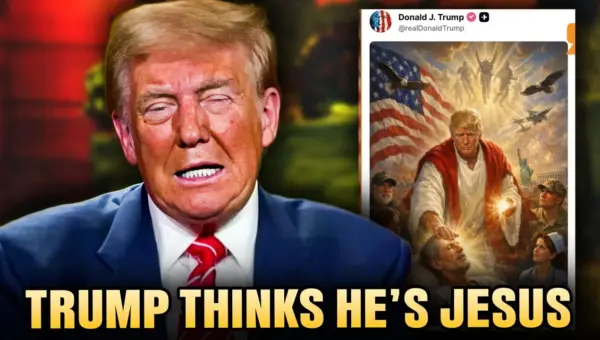
Trump’s Jesus Post Sparks Outrage, Divides Supporters
Donald Trump's sharing of an AI-generated image depicting him as Jesus Christ has ignited widespread controversy. The image, which shows him healing a sick man resembling Jeffrey Epstein, has drawn sharp criticism from various quarters, including some of his own supporters, who label it blasphemous and a sign of extreme narcissism. The incident raises questions about political discourse and the blurring lines between faith and political devotion.