US Blockades Iran Ports, Fueling Oil Price Fears
The US Navy is reportedly moving to blockade Iranian ports, sparking fears of rising global oil prices. While the US aims to stop ships leaving Iran, the action raises concerns about regional stability and potential escalation. Experts warn that this could disrupt oil supplies and lead to further price hikes.

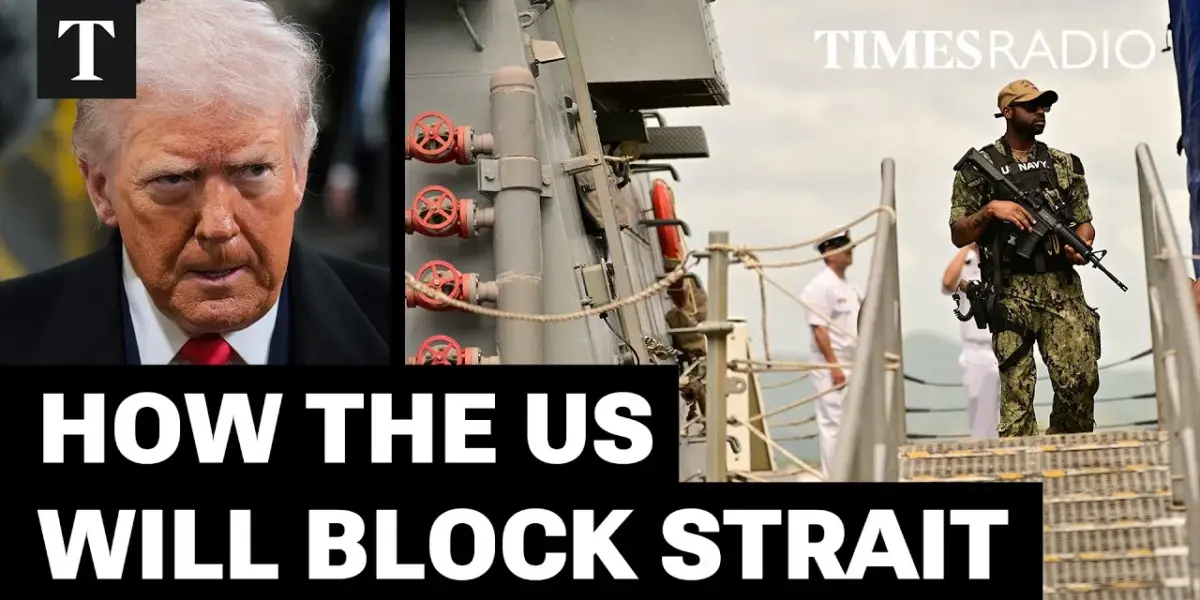
US Navy Moves to Blockade Iranian Ports Amid Rising Tensions
The United States Navy is reportedly moving warships toward the Gulf of Oman and the Strait of Hormuz. The stated aim is to blockade Iranian ports, preventing ships from leaving. This action comes as oil prices have again surpassed $100 a barrel. The US says it will allow ships from other regional countries to pass. However, Iran is also imposing its own restrictions on shipping. This developing situation raises serious questions about global oil and gas supplies.
Impact on Global Oil Prices
Peter, director of policy at the UK Chamber of Shipping, explained the potential economic fallout. “All prices are going to stay raised at the moment,” he stated. This is because the blockade will remove a significant amount of oil from the international market. While the direct impact might be on global prices rather than specifically UK supplies, the effect on the world market will be felt. Experts find it difficult to predict the exact extent of the price increase. Ceasefire talks have not yielded a lasting solution. The US action appears to be a move to increase pressure on Iran to return to negotiations.
What Happens to Ships?
The practical details of how the US blockade will function are still unclear. Vessels attempting to leave Iranian ports are likely to face interdiction. This could involve American naval vessels approaching them. They might be warned via radio not to proceed. If they continue, US forces could board and seize the ships. This is similar to actions taken against vessels in Venezuela and those operating under sanctions against Russia, sometimes referred to as the “dark fleet.” Crews on these sanctioned vessels operate outside normal international shipping rules.
Insurance and Safety Concerns
Insurance for shipping in the region has become a major concern. While former President Trump suggested the US would provide insurance for concerned ships, its implementation is uncertain. Peter from the UK Chamber of Shipping noted that, to their knowledge, the American offer has not yet been put into action. However, insurance is still available, though at a premium. Ship captains must decide if it is safe to transit the Strait of Hormuz. The blockade itself is not aimed at ships from other countries, but at stopping Iranian vessels.
Potential for Escalation
The situation remains highly volatile. The Iranian reaction to the US blockade is a major unknown. Experts suggest Iran could respond with drone or underwater attacks against American vessels. Such actions could also endanger other ships passing through the strait. “There are lots of ways the Iranians can attack those American vessels,” Peter warned. Historically, Iran has reacted to US actions with kinetic activity. This could lead to a complete halt in shipping through the strait until a diplomatic solution is found. Middle East correspondent Tommy Walker noted that Iran has drones monitoring the Strait of Hormuz and claims control. However, the US military is confident in its ability to manage the situation. The blockade is set to begin at 10:00 AM ET, with US warships expected in the Gulf of Oman.
Iran’s Enforcement and Regional Impact
Iran primarily uses surveillance drones to monitor ships in the Strait of Hormuz. These drones track vessels and could provide early warnings. There have been recent interactions between US warships and Iranian vessels in the strait, with both sides asserting their positions in international waters. While the US has significantly degraded Iran’s military capabilities, Iran maintains some capacity to monitor and potentially disrupt shipping. The arrival of more US warships and personnel could test Iran’s ability to respond. Many countries in the Gulf are preparing for potential escalation. An attack on Iran could trigger retaliatory strikes, including missile and drone attacks on energy infrastructure and US-affiliated sites in the region.
Diplomatic Efforts and Uncertainty
Diplomatic talks are ongoing, with Pakistan and Oman attempting to mediate. Pakistan hopes a temporary ceasefire can lead to further discussions. Oman, a country friendly to both Iran and the US, has historically played a mediating role. However, the impending US blockade threatens to derail these efforts. The arrival of US warships could provoke an Iranian response, breaking the ceasefire. The approach of Donald Trump, who reportedly seeks to benefit from shipping tolls, suggests this blockade might be a backup plan following failed ceasefire talks. The high level of uncertainty is detrimental to trade, with experts predicting continued price increases.
Source: This Is What Will Happen If A Ship Breaks US Blockade (YouTube)

Related Articles

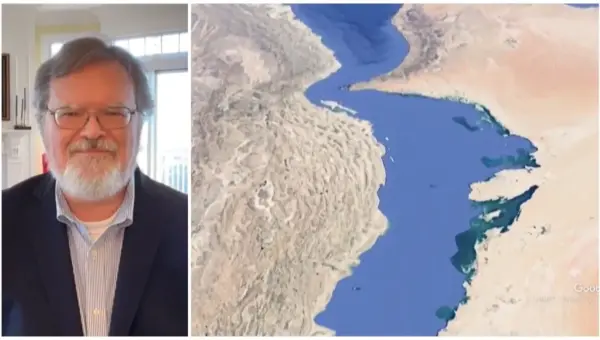
Trump’s Hormuz Gambit: Iran’s Oil Lifeline Severed
President Trump's announcement of a blockade on the Strait of Hormuz aims to cut off Iran's oil revenue. Analyst Rod Martin views this as a strategic move to neutralize Iran's long-standing threat to global oil markets. The action could lead to lower oil prices globally and significant pressure on the Iranian regime, potentially forcing it to abandon its nuclear ambitions.


President’s War Threats Spark Global Health and Economic Crisis
President Trump's threats against Iran, including targeting its civilization and infrastructure, have drawn accusations of genocide and war crimes. This rhetoric, coupled with concerns about his cognitive health, has sparked a global economic crisis, driving up oil prices and threatening widespread shortages. Medical professionals are raising alarms about his fitness for office, while the nation faces the economic fallout of a conflict initiated without clear authorization.
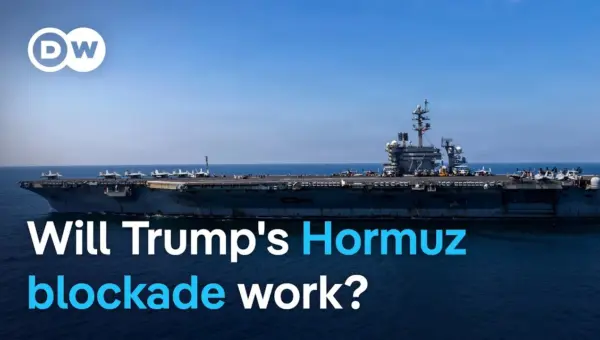
US Blocks Hormuz Blockade: Experts Warn of Oil Crisis
The U.S. Navy has initiated a blockade of the Strait of Hormuz, a vital global oil chokepoint, in response to Iran's actions. Experts like Ben Friedman of Defense Priorities are skeptical, warning the move could worsen the global oil shortage and might not achieve its intended goals. The strategy faces operational challenges and potential diplomatic pushback.