US Blockades Iran Ports: Economic Blow or Empty Threat?
The US has initiated a blockade of Iranian ports, aiming to cripple Iran's oil exports and economy. While ships traveling between non-Iranian ports are exempt, the move signifies a significant escalation. Analysts question its effectiveness and Iran's potential response.

US Tightens Grip: Iran Port Blockade Begins
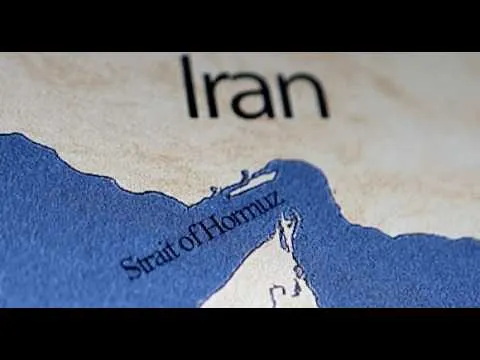
President Trump has announced a significant move: a US blockade of Iranian ports, set to take effect this morning. This action aims to cut off Iran’s oil exports, a major source of income for the country’s economy. The blockade is designed to prevent ships from entering or leaving Iranian ports. However, there’s a key detail: ships traveling between non-Iranian ports will still be allowed to pass through the Strait of Hormuz. This announcement follows failed talks with Iran over the weekend, led by Vice President JD Vance, which were intended to reach a deal.
Economic Warfare: Striking at Iran’s Lifeline
The core idea behind this blockade is economic pressure. Iran relies heavily on selling its oil to fund its government and economy. By stopping these exports, the US hopes to deal a severe economic blow to the Iranian regime. This strategy also aims to counter Iran’s past attempts to charge tolls for ships using the Strait of Hormuz. The White House believes this blockade will be very effective in weakening Iran.
President Trump stated, “Other nations are working so that Iran will not be able to sell oil. And uh that would be very effective.”
Iran’s Limited Retaliation Power
Iran has threatened to retaliate against this blockade. However, US officials believe Iran’s military capabilities are significantly weakened. While Iran may have some mine-laying abilities near the Strait of Hormuz, its navy and air force are considered ineffective against the US military. President Trump has emphasized that Iran’s missile manufacturing and overall military strength have been greatly reduced.
A Fragile Ceasefire and Unmet Promises
Despite the escalating tensions, President Trump indicated that a ceasefire he mentioned is still holding. He also suggested that he doesn’t need Iran to return to negotiations. He pointed out that Iran broke a promise to keep the Strait of Hormuz open, accusing them of lying. The situation remains tense, with all eyes on the Strait of Hormuz and the effectiveness of the US blockade.
The Threat of Further Action
The White House has stated that President Trump is keeping all options open. In a recent interview, the president mentioned a potential option he would hate to use: striking Iran’s energy infrastructure. This includes targets like water desalination plants and power generation facilities, which he believes are easy to hit. This highlights the seriousness of the standoff and the potential for further escalation.
Why This Matters
This blockade represents a significant escalation in US-Iran relations. It’s a direct attempt to cripple Iran’s economy through financial means, rather than direct military conflict. The success of this strategy depends on its ability to effectively stop oil exports and withstand any potential Iranian response. It also raises questions about global oil markets and regional stability. The move signals a tough stance from the Trump administration, prioritizing economic pressure and deterrence.
Historical Context
Tensions between the US and Iran have a long history, marked by events like the 1979 Iranian Revolution and subsequent hostage crisis. The Strait of Hormuz is a critical global oil chokepoint, and threats to its security have historically led to increased oil prices and international concern. Previous US administrations have also used economic sanctions against Iran, but a direct port blockade is a more aggressive tactic. The current situation is influenced by Iran’s nuclear program, its regional influence, and the US administration’s ‘maximum pressure’ policy.
Implications and Future Outlook
If the blockade is effective, it could severely weaken Iran’s economy, potentially leading to internal unrest or a shift in its foreign policy. However, it also carries risks. Iran might find ways to circumvent the blockade, or it could trigger a more direct confrontation. The international community will be watching closely, especially major oil-importing nations. The effectiveness of the blockade will likely depend on international cooperation and Iran’s ability to adapt. The long-term outlook suggests a continued period of high tension and economic strain for Iran, with the potential for unpredictable developments.
Source: What Could Happen After the Strait of Hormuz Blockade Begins (YouTube)

Related Articles
Iran War Risk: US Action Could Backfire, Expert Warns
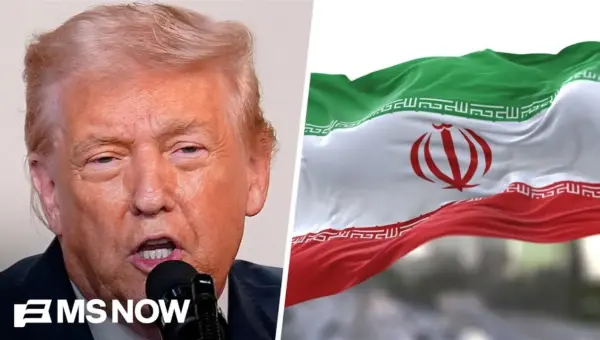
A former U.S. deputy national security advisor warns that American naval actions in the Strait of Hormuz could backfire, potentially hurting the U.S. more than Iran if the conflict prolongs. He also expressed doubts about the current administration's ability to conduct effective diplomacy with Iran.


US Blocks Iran Ports Amid Escalating Tensions, Oil Prices Surge
President Trump announced a U.S. military blockade on Iranian ports, escalating tensions after peace talks failed. The move sent oil prices soaring above $100 a barrel. Meanwhile, Congressman Eric Swalwell suspended his California gubernatorial campaign amid sexual misconduct allegations, and the Artemis II astronauts returned safely from their historic moon mission.

Navy Eyes Robot Drones for Mine Warfare
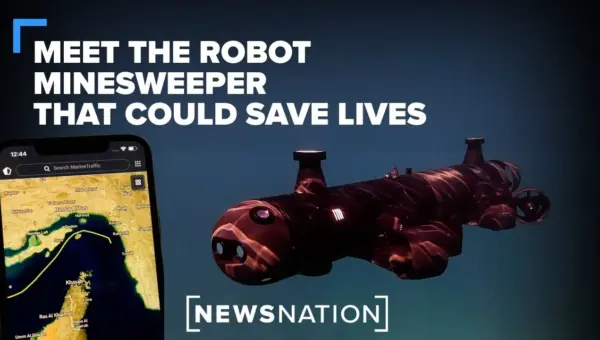
A new underwater drone, the Mako, developed by Ulysses Maritime Technologies, is being eyed by the U.S. military for mine detection and disposal. Originally designed for environmental restoration, this autonomous vehicle could enhance naval defense, especially amid rising tensions in the Strait of Hormuz.