US Blockades Hormuz: War Looms as Iran Threatens to Fire
The U.S. military has imposed a total blockade on the Strait of Hormuz, leading to a dangerous standoff with Iran. This move could see U.S. forces boarding Chinese ships, escalating tensions significantly. Iran has threatened retaliation, raising fears of a wider regional conflict.

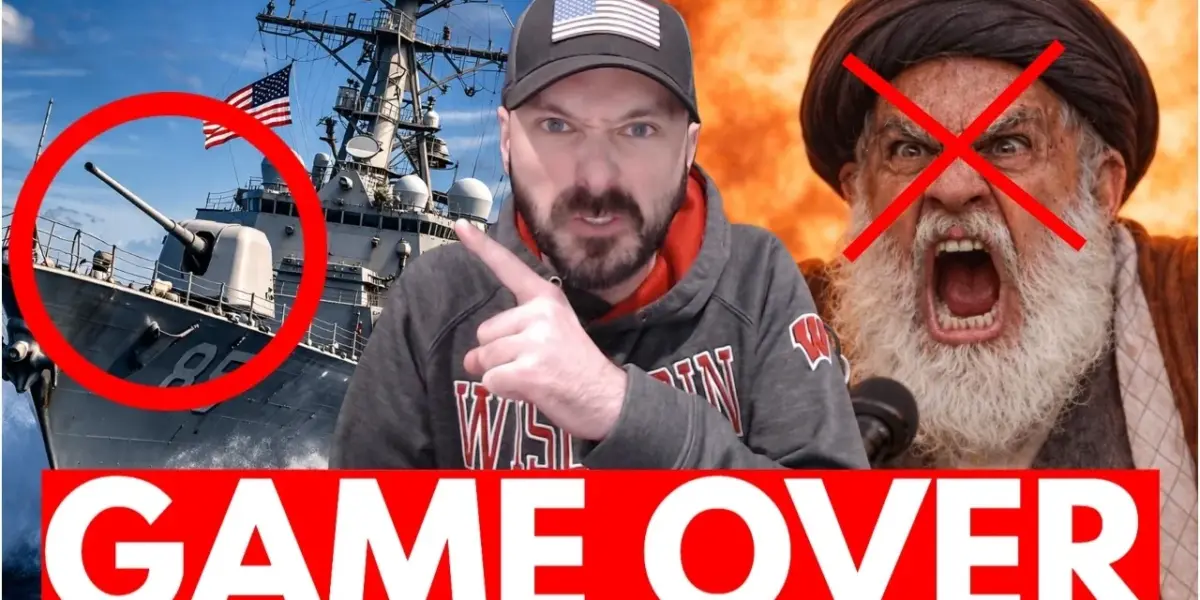
US Blockades Hormuz: War Looms as Iran Threatens to Fire
On April 13th, the United States military began a complete blockade of the Strait of Hormuz. This action, announced by President Trump, aims to stop ships entering or leaving Iranian ports. The move comes after Iran had previously threatened to shut down the strait, demanding payments from passing ships.
The U.S. military’s Central Command (CENTCOM) stated that forces would enforce the blockade impartially on all vessels. However, the focus is clearly on ships leaving Iran, many of which are linked to China. CENTCOM clarified that freedom of navigation would not be hindered for vessels transiting the strait to and from non-Iranian ports. This means ships not associated with Iran can still pass through.
A Blockade on Top of a Blockade
This U.S. action is being described as a “blockade on top of a blockade.” Previously, Iran had effectively shut down the strait by threatening to destroy any ships that didn’t pay a significant toll. President Trump’s response is to prevent any ship from leaving Iranian ports, especially those carrying goods for Iran or owned by Iranian entities. This could lead to U.S. forces boarding Chinese vessels, a major escalation in regional tensions.
The situation is extremely serious, with both sides issuing strong warnings. Iran has threatened retaliation, with a spokesperson stating that “security in the Gulf and Sea of Oman is either for everyone or no one.” They warned that vessels linked to enemies would be barred from the Strait of Hormuz and that threats to Iran’s ports would endanger all ports. This suggests Iran is prepared to attack U.S. ships or any ships attempting to enforce the blockade.
Iran’s Retaliation and Escalation Fears
Military sources indicate that Iran’s Islamic Revolutionary Guard Corps (IRGC) could respond as early as the same day, potentially targeting U.S. and Israeli assets. The Israeli Defense Forces (IDF) are preparing for an escalation, updating their targeting plans and increasing surveillance within Iran. There is a real possibility of Iran launching ballistic missiles at U.S. and Israeli interests, which could trigger a wider conflict.
President Trump is reportedly considering limited military strikes in Iran to break a stalemate in peace talks. However, if Iran fires first, the U.S. response could be more intense. The U.S. has been rapidly increasing its military presence in the region. The aircraft carrier USS George H.W. Bush has entered European command waters, and reports suggest it may be replacing the USS Ford. This brings the total number of U.S. aircraft carriers in the region to three, signaling a significant buildup of naval power.
Surveillance and Diplomatic Stalemate
Adding to the tension, a U.S. early warning aircraft, a Boeing E3A Sentry, has been seen flying over Turkey. This aircraft is likely monitoring Russian military flights into Iran, which are reportedly carrying weapons. China is also accused of shipping weapons to Iran. This increased military activity and suspected arms shipments from both China and Russia heighten concerns about a potential conflict.
President Trump has expressed a lack of concern about continued negotiations with Iran. He stated that Iran’s military is weakened and its missile production capabilities are diminished. He also pointed to Iran’s broken promises, specifically regarding the opening of the Strait of Hormuz, as a reason for the current actions. This indicates a diplomatic stalemate, with both sides unwilling to back down.
Conspiracy Theories and International Updates
Amidst the military buildup, conspiracy theories have emerged. One theory suggests that a recent U.S. rescue operation for downed pilots was actually a cover to retrieve enriched uranium from Iran. Iranian officials have pushed this narrative, claiming the Americans were not there to rescue a pilot but to take something else. However, U.S. officials maintain the rescue mission was a genuine and successful operation.
Meanwhile, Israeli officials are being kept informed of the developments. Israeli Prime Minister Netanyahu reportedly spoke with U.S. Vice President JD Vance, who provided details on the breakdown of negotiations. Reports from Iran suggest significant aerial activity in Tehran, with government-affiliated planes possibly evacuating personnel or equipment, anticipating potential strikes.
Why This Matters
The Strait of Hormuz is a critical chokepoint for global oil supplies. Any disruption there can have immediate and severe impacts on the world economy. The U.S. blockade and Iran’s threats create a volatile situation with the potential for a major regional war. The involvement of China and Russia adds another layer of complexity, raising the stakes for international stability.
Implications and Future Outlook
The current situation is a dangerous standoff. If U.S. forces board a Chinese vessel, it could lead to direct confrontation between the U.S. and China, alongside the ongoing conflict with Iran. Iran’s retaliatory threats, including missile launches, could quickly escalate the conflict into a full-blown war. The U.S. military buildup suggests preparedness for such an eventuality.
The future outlook is uncertain. The immediate focus is on whether Iran will fire first and how China will react to potential U.S. actions against its ships. The diplomatic channels appear to be largely closed, increasing the likelihood of military engagement. The coming days and weeks will be crucial in determining whether tensions de-escalate or erupt into open warfare in the Middle East.
Historical Context
The Strait of Hormuz has long been a point of strategic importance and tension. In the past, Iran has threatened to close the strait during periods of conflict, particularly with the U.S. and its allies. The U.S. Navy has a significant presence in the region to ensure freedom of navigation and protect shipping lanes. This current escalation, however, appears to be a more direct and forceful response to Iran’s prior actions, marking a significant shift in U.S. policy.
Source: U.S. Military LOCKS DOWN Strait Of Hormuz – Will Iran OPEN FIRE? (YouTube)

Related Articles


General Warns of War Crime Trials for U.S. Military
Retired U.S. Army Brigadier General Steve Anderson warns that U.S. military members could face Nuremberg-style trials for war crimes. He criticizes former President Trump's handling of international conflicts, particularly in Iran, calling it a major geopolitical blunder. Anderson urges strategic international action for accountability after the current administration.

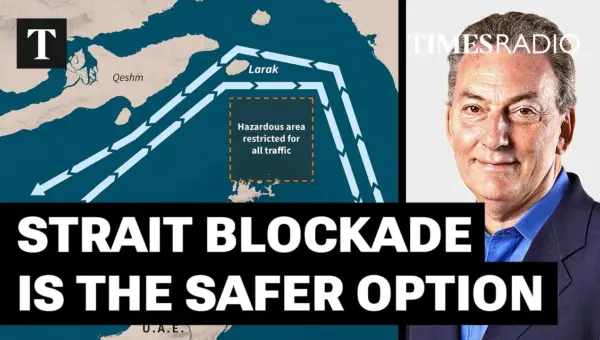
Hungary Votes Out Orban; US Navy Blockades Strait of Hormuz
Hungary has voted out long-serving Prime Minister Viktor Orban, signaling a potential shift in European Union dynamics. Meanwhile, the U.S. Navy has imposed a blockade in the Strait of Hormuz following failed nuclear talks with Iran, raising concerns about regional stability and potential escalation.
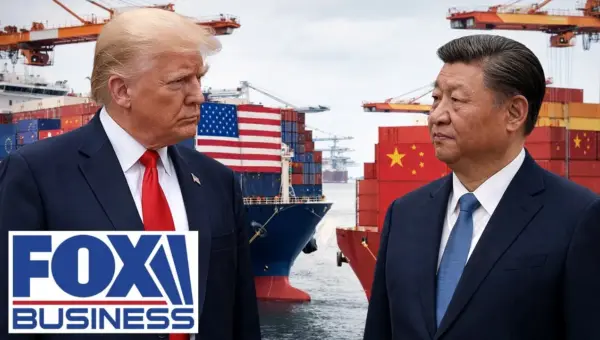
Trump Threatens 50% Tariffs on China Over Iran Support
Former President Donald Trump has issued a stark warning to China, threatening a 50% tariff if Beijing supplies military equipment to Iran. The interview also highlighted U.S. energy dominance and criticized NATO allies for their perceived lack of support.