US Blockades Hormuz Strait After Iran Talks Collapse
The U.S. has imposed a naval blockade on the Strait of Hormuz following failed peace talks with Iran in Pakistan. Despite mediation efforts, key disagreements over Iran's nuclear program and mutual trust prevented a deal. The move escalates regional tensions, with Pakistan urging continued dialogue.

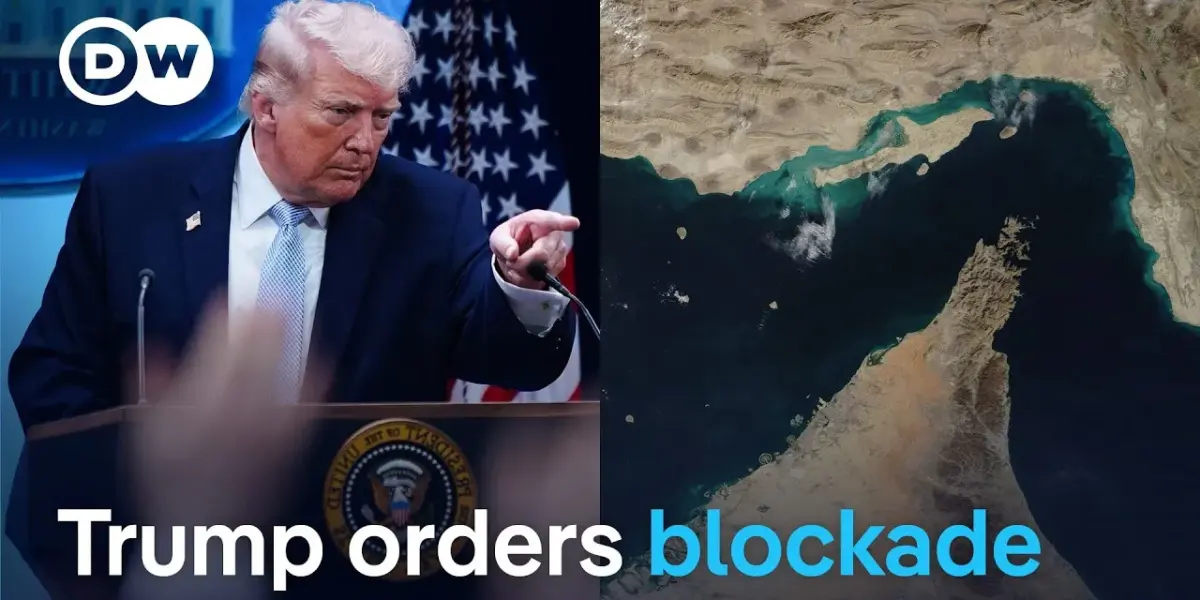
US Blockades Hormuz Strait After Iran Talks Collapse
The United States has announced a naval blockade of the Strait of Hormuz following the failure of peace talks with Iran in Islamabad, Pakistan. President Donald Trump confirmed the move on social media, stating that U.S. warships would immediately stop all vessels paying tolls to Iran in the Persian Gulf. This action escalates tensions after negotiations aimed at ending the conflict between the two nations concluded without an agreement.
Sticking Points in Negotiations
The talks in Pakistan, which represented the first high-level face-to-face exchange between the U.S. and Iran in nearly four decades, ended with significant disagreements. U.S. Vice President JD Vance, who attended the discussions, stated that Iran had not committed to abandoning its pursuit of nuclear weapons. He emphasized that an “affirmative commitment” against seeking nuclear weapons and the means to achieve them was a core U.S. objective that Iran failed to meet.
Conversely, Iran’s foreign ministry expressed a degree of optimism for future diplomatic efforts. A spokesperson noted that expecting a comprehensive agreement in a single session was unrealistic, despite the talks being the longest in the past year. Iran indicated that the U.S. had not earned its trust during the negotiations.
Pakistan’s Mediation Role
Pakistan played a crucial role in bringing the two adversaries to the negotiating table. Maliha Ludi, Pakistan’s former ambassador to the United Nations, the U.S., and the UK, explained that Pakistan’s strong relations with both Iran and Washington, along with a close personal relationship between Pakistan’s Army Chief and President Trump, positioned the country uniquely as a mediator. Pakistan successfully persuaded both nations to engage in dialogue and facilitated a ceasefire ahead of the talks.
Ambassador Ludi described the outcome as neither a breakthrough nor a breakdown, suggesting that both sides left the door open for continued diplomatic engagement and back-channel communication. She stressed that as long as the temporary ceasefire, set to expire on April 22nd, holds, there remains space for renewed diplomacy. “Diplomacy is not a one-day event. It’s a process,” Ludi stated, emphasizing the need for patience and compromise from both parties.
Divergent Demands and Trust Issues
The core issues separating the U.S. and Iran are complex and multifaceted. While the U.S. focused on Iran’s nuclear program, Iran highlighted other concerns. According to Ambassador Ludi, these included assurances from the U.S. against further military attacks by the U.S. or Israel, as well as the unfreezing of Iranian assets. Both sides presented lists of demands—the U.S. with 15 points and Iran with 10—which were reportedly divergent.
The issue of trust was a significant hurdle. “How can you have two countries that have been at war for almost 6 weeks to start trusting each other in 2 hours or 5 hours or 21 hours?” Ludi questioned, underscoring the time and effort required to build confidence for conclusive negotiations. She added that peace requires mutual terms, not just the demands of one party.
Israel’s Role as a Spoiler
The involvement of Israel was also discussed as a significant factor potentially undermining peace efforts. Ambassador Ludi described Israel as a “spoiler” actively trying to disrupt the talks. She pointed to Israel’s intensified attacks on Lebanon shortly after the ceasefire announcement as evidence of its efforts to sabotage any potential deal between the U.S. and Iran. “It’s clear Israel is unhappy with any kind of deal between the U.S. and Iran and will do whatever it can to undermine it and to torpedo it,” Ludi remarked.
Escalation Risks and Pakistan’s Path Forward
With diplomacy stalled and the temporary ceasefire nearing its end, the risk of a return to active hostilities is a major concern. Ambassador Ludi warned that a revival of the conflict could enter its most dangerous phase, especially with the U.S. naval blockade of the Strait of Hormuz. She cautioned that any attempt at a ground offensive to seize the strait would create an extremely dangerous situation, further destabilizing an already chaotic region.
Pakistan remains committed to fostering peace and plans to continue its role as a mediator. The country has publicly appealed to both the U.S. and Iran to sustain the ceasefire and will work through back channels to encourage a return to diplomacy. Pakistan firmly believes that dialogue is the only viable path to a peaceful resolution, especially after weeks of conflict have failed to achieve the objectives of the aggressor nation, the United States.
Source: US to blockade Strait of Hormuz after failed Iran peace talks | DW News (YouTube)

Related Articles

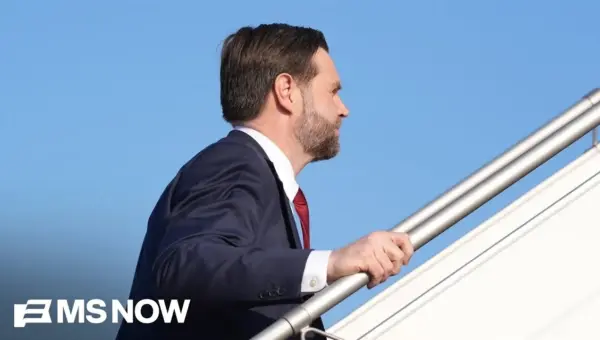
US-Iran Peace Talks Collapse Over Nuclear Standoff
High-level peace talks between the United States and Iran have failed to secure an agreement, primarily due to Iran's refusal to commit to abandoning nuclear weapons. Vice President J.D. Vance called the discussions substantive but ultimately unsuccessful, stating the U.S. presented a final offer. Following the collapse, President Trump announced an immediate U.S. Navy blockade of the Strait of Hormuz.


Vance’s Failed Diplomacy Could Doom His Political Future
Senator JD Vance's recent diplomatic mission in Pakistan ended in failure, raising questions about his political future. The situation highlights complex geopolitical tensions, potential strategic missteps by Donald Trump, and significant economic implications for global energy markets.

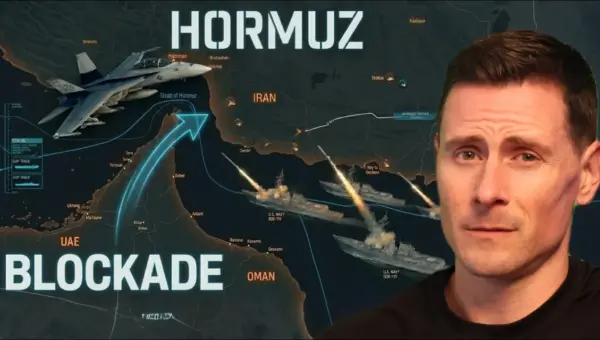
US Navy Blockades Strait of Hormuz After Talks Collapse
The U.S. Navy has launched a naval blockade of the Strait of Hormuz after critical ceasefire talks with Iran collapsed. This move follows accusations of Iranian "extortion" through alleged mine-laying and toll collection in the vital shipping lane. The operation aims to ensure global energy flow and challenge Iran's control over the waterway.