US Blockade Triggers New Global Chaos
The U.S. Navy's blockade of the Strait of Hormuz escalates tensions with Iran, risking global conflict and economic fallout. This move challenges international law and sets a dangerous precedent for controlling vital trade routes.


US Blockade Triggers New Global Chaos
The United States has initiated a blockade of the Strait of Hormuz, a vital waterway for global oil transport. This move escalates tensions with Iran and raises serious questions about international law and the future of global trade. The decision risks pulling the U.S. and other nations into a wider conflict, with potentially devastating economic consequences.
A Risky Strategy Unfolds
In a dramatic turn of events, the U.S. Navy has warned all vessels near the Strait of Hormuz that ships leaving Iranian ports within two hours are subject to interception, boarding, and capture. This action is being described by critics as an act of war. It mirrors Iran’s own threats to intercept vessels passing through the crucial strait, creating a dangerous tit-for-tat escalation.
The U.S. claims this blockade will be applied fairly to ships of all nations going to or from Iranian ports. However, this move directly challenges the principle of freedom of navigation, a cornerstone of international maritime law. If the U.S. intercepts vessels from major powers like China or Russia, or even allies within NATO, it could trigger a far broader international crisis.
This U.S. action essentially means that if Iran attempts to close the strait, the U.S. will do the same, creating a new and dangerous precedent. Critics argue this approach is not about upholding international law but about wielding power through force. It opens the door for any nation with the military might to create similar choke points and demand tolls or exert control over global trade routes.
Economic Fallout Looms
The immediate economic impact is already being felt. U.S. gas prices are expected to climb significantly, possibly exceeding $4.25 per gallon in the coming weeks. This is due to a “delayed supply shock,” meaning the market is reacting to the anticipated cut-off of oil, even before the full effects of the blockade are realized. Global energy markets are bracing for disruption, and consumers worldwide may face higher costs for fuel and goods.
Before this blockade, Iran was exporting over two million barrels of oil daily. A successful U.S. blockade would severely cripple these exports, further tightening an already strained global oil supply. This economic pressure is intended to isolate Iran but could end up harming many other nations in the process.
Contradictory Claims and Escalation
Adding to the confusion, President Trump has made conflicting statements. He claimed Iran’s navy had been “obliterated” with 158 ships destroyed. Yet, in the same breath, he acknowledged the existence of Iran’s fast attack ships and threatened their immediate elimination if they approach the U.S. blockade. This inconsistency raises doubts about the actual situation on the ground and the rationale behind the escalating actions.
The decision to blockade the Strait of Hormuz comes amid reports of the U.S. considering missile strikes on Iran and repositioning B-52 bombers. This military buildup coincides with statements from Israeli Prime Minister Netanyahu, who suggested a ceasefire with Iran could end soon. Many interpret Netanyahu’s remarks not as a desire for peace, but as an eagerness for conflict, further fueling concerns about a broader war.
Historical Context and International Law
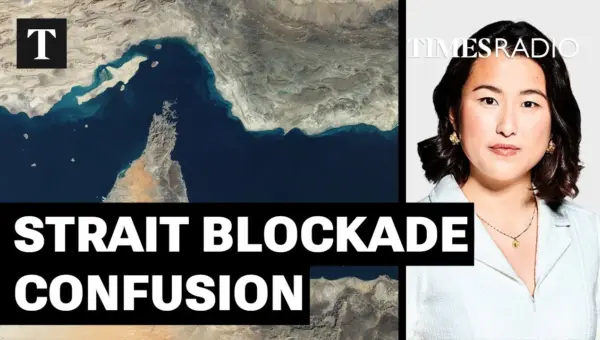
The Strait of Hormuz has long been a strategic flashpoint. It is the world’s most important oil transit point, through which about 30% of the world’s seaborne oil trade passes. Control of this narrow waterway offers immense geopolitical leverage.
Historically, attempts to blockade or control such vital international straits have been met with strong international opposition and often led to conflict. The principle of freedom of navigation is crucial for global commerce and is protected by international law, including the UN Convention on the Law of the Sea. By enacting a blockade, the U.S. risks violating these established norms and undermining the international legal order.
The situation draws parallels to historical instances where powerful nations have used their military might to control vital trade routes, often leading to prolonged instability. The current actions could be seen as a return to a “might makes right” world order, where international law takes a backseat to raw power.
Voices of Concern
Religious and political leaders have voiced strong opposition to the escalating conflict. Pope Francis, speaking as a peacemaker, has emphasized the importance of building bridges and avoiding war. He has subtly criticized leaders who he feels are misusing the message of the gospel to justify military action, placing his message of peace on a higher plane than political gamesmanship.
Critics argue that President Trump’s actions are not about strategic diplomacy but about creating chaos and asserting dominance. They point out that even previous attempts to find an “off-ramp” from conflict have been criticized for conceding too much regional control. The current blockade is seen by many as a reckless escalation, pulling the U.S. back into a potential war it cannot afford.
Why This Matters
This blockade is more than just a regional dispute; it’s a test of the global order. The U.S. decision to unilaterally control a vital international waterway sets a dangerous precedent. It suggests that powerful nations can arbitrarily restrict global trade for their own ends, regardless of international law or the consequences for other countries. The economic repercussions, including rising gas prices and potential shortages, will affect millions worldwide.
The situation highlights a critical divergence between a desire for peace and the pursuit of military solutions. The actions taken in the Strait of Hormuz could plunge the world into a new era of instability, where force dictates terms and diplomatic solutions are abandoned. The long-term implications for global trade, international relations, and the very fabric of international law are profound and deeply concerning.
Future Outlook
The immediate future hinges on how Iran and other global powers respond to the U.S. blockade. If diplomatic channels are ignored and military posturing continues, the risk of direct confrontation increases significantly. The economic consequences will likely worsen, impacting global supply chains and consumer prices.
The long-term outlook suggests a potential shift in global power dynamics. If the U.S. continues to act unilaterally, it could alienate allies and embolden rivals. The world may see a greater fragmentation of international cooperation and a rise in regional conflicts driven by resource control and geopolitical ambition. The path forward requires a serious re-evaluation of the costs and benefits of military action versus diplomatic engagement.
Source: Trump RESTARTS WAR after THIS PANICKED POST! (YouTube)

Related Articles
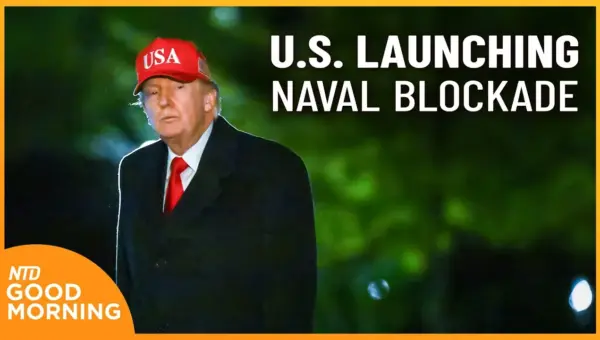
US Blockades Hormuz Strait; Space Race Heats Up
The U.S. military is implementing a naval blockade of the Strait of Hormuz following failed peace talks, raising global concerns about oil supply. Meanwhile, U.S. lawmakers face a packed agenda including a DHS shutdown, while NASA celebrates a successful moon mission and looks ahead to Artemis III.
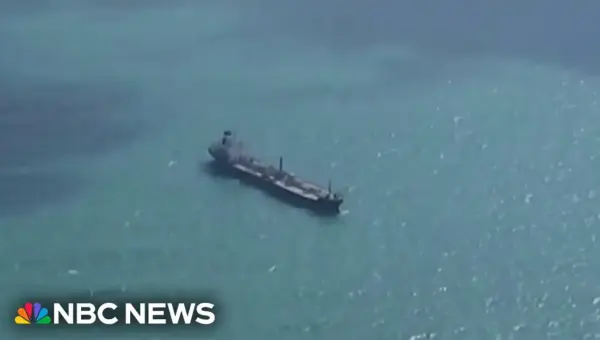
US Naval Blockade Hits Iran, Oil Prices Surge
The U.S. has imposed a naval blockade on Iranian ports, causing oil prices to spike and threatening global energy markets. This action follows failed peace talks and aims to cut off Iran's oil revenue, though it carries risks of market instability and potential escalation.
Trump’s Hormuz Blockade Plan Draws UK Rebuke, Sparks War Fears
The U.S. faces criticism for a proposed blockade of ships from Iranian ports, with the UK refusing to participate and citing concerns about escalating conflict. The plan raises questions about effectiveness and risks drawing in major powers, while a separate debate brews in the UK over adopting EU rules using "Henry VIII powers."