US Blinds Iranian Radars to Open Hormuz Strait
The U.S. military is deploying advanced EA-18G Growler electronic warfare aircraft to disable Iranian coastal radars, aiming to reopen the Strait of Hormuz. This strategy, part of Operation Epic Fury, combines air and naval assets to ensure safe passage for shipping. The operation highlights the growing importance of electronic warfare in modern military conflicts.

US Blinds Iranian Radars to Open Hormuz Strait
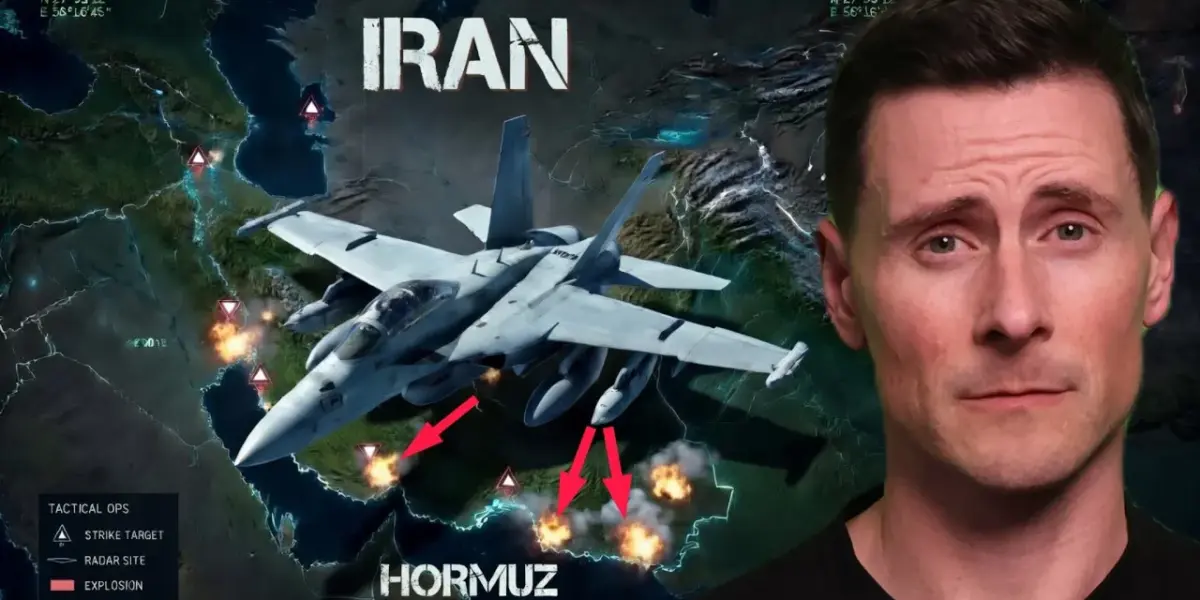
The U.S. military is employing advanced electronic warfare tactics to reopen the vital Strait of Hormuz, which has been closed to shipping. Images show the EA-18G Growler, an electronic attack aircraft, operating in the region. Its mission is to disable Iranian coastal radars that track maritime traffic.
Operation Epic Fury Escalates
This offensive, part of Operation Epic Fury on its 32nd day, marks a significant escalation. The EA-18G Growler is designed to jam or disable enemy radar systems. This strategy aims to create safe passage for commercial and naval vessels through the strait. The Growler is equipped with advanced jamming pods and AGM-88 missiles designed to target radar emitters. Its presence, along with the USS Tripoli and its complement of F-35B fighter jets and CV-22 Ospreys, signals a multi-faceted approach.
Naval and Air Power Combined
The USS Tripoli, a naval carrier, is positioned in the region, carrying a Marine Expeditionary Unit. This unit includes F-35B stealth fighters and MV-22 Ospreys, capable of vertical takeoff and landing. The combination of the Growler’s electronic warfare capabilities and the F-35B’s strike power offers a potent offensive package. The F-35Bs can launch AGM-158 JASSM cruise missiles, targeting sites identified by the Growler. This coordinated effort aims to neutralize Iran’s ability to threaten shipping.
Iran’s Defensive Posture
Iran has responded to U.S. actions with ballistic missile and drone volleys. However, coalition defenses have largely intercepted these attacks. The Iranian government has also called for celebrations, which some observers view as a sign of desperation. Despite these actions, Iran’s military infrastructure, particularly its missile production facilities, is reportedly under heavy U.S. bombardment. The regime faces internal divisions, with conflicting statements from its spokespeople about the ongoing conflict.
Strategic Implications for the Strait
The Strait of Hormuz is a critical global oil chokepoint. Its closure has significant economic and geopolitical consequences. The U.S. strategy focuses on degrading Iran’s coastal surveillance and anti-ship missile capabilities. By blinding radar systems, the U.S. aims to prevent Iran from guiding attacks on tankers and warships. The presence of the 31st Marine Expeditionary Unit, with 2,200 Marines, also introduces the possibility of limited ground operations or coastal security missions.
Advanced Drone Technology
The operation may also involve advanced drone systems, though not all are confirmed. Drones like the hypothetical Andrew Fury or AI Expat could enhance surveillance and strike capabilities. These drones could track underwater unmanned vehicles (UUVs), a tactic reportedly favored by Iran. The U.S. is also exploring countermeasures against these UUVs, potentially using underwater drones to create a defensive network on the seabed. This integrated approach, spanning air, sea, and undersea domains, aims for complete control of the maritime environment.
Electronic Warfare Explained
The EA-18G Growler is a specialized aircraft derived from the F/A-18 Super Hornet. It carries advanced electronic warfare equipment, including the ALQ-218 receiver and Next Generation Jammer pods. These systems can flood enemy radar and communication frequencies with jamming signals. This electronic jamming creates what are described as “electronic corridors,” effectively blinding enemy sensors. The Growler can also use its AGM-88 missiles to destroy active radar systems.
Geopolitical Context and Future Outlook
President Trump has stated that the conflict will end within two to three weeks, emphasizing U.S. air superiority. The administration’s objectives include destroying Iran’s missile and drone production, crippling its military, and cutting off proxy forces. The effectiveness of these operations is seen as crucial for restoring stability and freedom of navigation in the Strait of Hormuz. While some Western-aligned ships have transited the strait, it remains risky due to lingering threats.
Conclusion
The current U.S. military strategy combines sophisticated electronic warfare, naval power, and air superiority to reopen the Strait of Hormuz. The EA-18G Growler’s role in neutralizing Iranian radar defenses is central to this effort. This integrated approach aims to secure a vital global waterway and project American technological dominance in electronic warfare.
Source: U.S. Military Just Unleashed Something Huge To Open Strait of Hormuz (YouTube)

Related Articles


US Iran Policy Shifts: Victory Redefined Amidst Empty Claims
US policy towards Iran is constantly shifting, moving away from clear goals like regime change to less defined objectives. Recent claims of destroying Iran's ancient military assets raise questions about actual progress, especially since Iran retains control over the vital Strait of Hormuz. This highlights a need for a more consistent and transparent foreign policy.


Trump’s Iran Strategy Risks Global Instability
Former Ambassador John Bolton criticizes President Trump's Iran strategy, citing contradictory statements and a lack of clear objectives. Bolton argues that without regime change, the U.S. faces a cycle of conflict, potentially leading to a major strategic defeat and empowering rivals like China and Russia.

US Navy Blinds Iran’s Radar Near Hormuz
The U.S. Navy is employing advanced electronic warfare tactics, including jamming and anti-radiation missiles from EA-18G Growlers, to disable Iranian radar near the Strait of Hormuz. This operation aims to ensure freedom of navigation through the vital global oil chokepoint.