US Beefs Up ‘Product of USA’ Label Rules
The U.S. Department of Agriculture (USDA) has tightened rules for the 'Product of USA' meat label. Companies must now prove animals were born, raised, and processed in the U.S. to use the label. This change aims to support American farmers and provide clearer information to consumers.

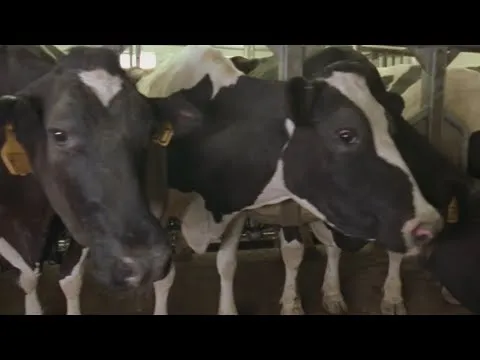
US Beefs Up ‘Product of USA’ Label Rules
The U.S. government is changing how meat can be labeled as ‘Product of USA’. This new rule, put in place by the Trump administration’s USDA, aims to make sure that when you see that label, you are truly supporting American farmers and ranchers. For the first time, companies must prove their meat, poultry, and egg products are 100% American from start to finish to use this label.
What’s New With The Label?
Before this change, meat from animals born, raised, and harvested in other countries could still be labeled ‘Product of USA’ if it was simply packaged in the United States. This loophole meant that consumers might have thought they were buying American, but they were actually buying imported meat. The new rule, which began in January, closes this gap. Now, to earn the ‘Product of USA’ label, the entire process – from the animal’s birth to its processing – must happen within the United States.
Agriculture Secretary Sonny Perdue stated that this change is about fairness for American producers. He believes it levels the playing field and provides much-needed transparency. “Consumers deserve clear, truthful labels, and American ranchers deserve a level playing field,” he said. “That’s what we are delivering.”
Why Is This Important For Farmers?
The National Cattlemen’s Beef Association has been raising concerns about imported beef being labeled as American for a long time. They welcome this new rule because it addresses their worries about fair competition. Farmers and ranchers work hard to raise their animals here in the U.S., and they want consumers to be able to easily identify and support their products.
While the ‘Product of USA’ label is voluntary, companies must meet strict requirements to use it. Some critics argue that this labeling should be mandatory for all food products, not just meat. However, many farmers and ranchers see this as a significant step forward in ensuring honesty and supporting domestic agriculture.
Global Impact
This change primarily affects the domestic U.S. market for meat products. It aims to increase the competitiveness of American farmers by making it harder for imported goods to be passed off as American-made. This could potentially lead to increased demand for U.S.-raised meat, benefiting American ranchers and farmers directly. It also sets a precedent for how countries can use origin labeling to support their own agricultural sectors.
Historical Context
The debate over food labeling and country of origin has been ongoing for years. Consumers have increasingly demanded more information about where their food comes from. Previous labeling laws have tried to address this, but loopholes have often allowed for confusion. This new rule tightens those regulations specifically for meat products, reflecting a growing global trend towards greater transparency in food supply chains.
Economic Leverage
By requiring full U.S. origin for the label, the USDA is subtly influencing trade. It makes it more challenging for countries that export large amounts of meat to the U.S. to benefit from the ‘Product of USA’ marketing. This could impact trade relationships and potentially encourage other countries to adopt similar transparency measures for their exports. The rule doesn’t involve sanctions or trade barriers directly, but it uses labeling as a tool to favor domestic production.
Future Scenarios
One likely scenario is that more companies will choose to meet the stringent requirements to use the ‘Product of USA’ label, increasing the amount of truly American-sourced meat available. Another possibility is that countries exporting meat to the U.S. might increase their efforts to have their meat processed and packaged in the U.S. to try and meet future, potentially less strict, labeling standards if they emerge. It’s also possible that consumer demand for clear labeling will push for similar changes in other food categories beyond meat.
Source: USDA pushes for clarity with food labeling | Morning in America (YouTube)

Related Articles

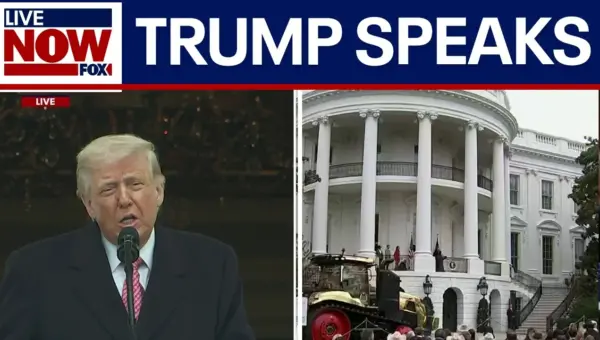
Trump Courts Farmers with Promises at White House
President Donald Trump hosted a large gathering of American farmers at the White House, highlighting his administration's support through aid packages, tax cuts, and deregulation. He pledged continued efforts to boost farm income, expand trade, and reduce equipment costs. Farmers shared testimonials, expressing gratitude for policies aimed at easing financial burdens and ensuring the future of agriculture.
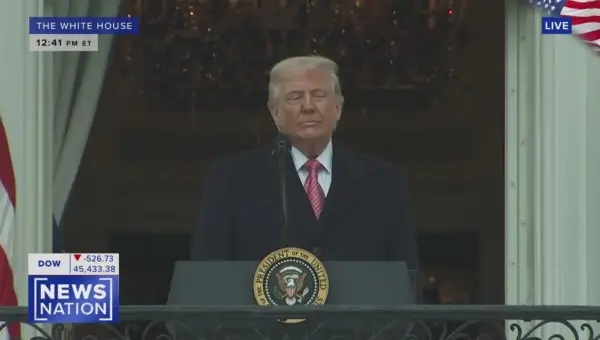
Trump Courts Farmers with Trade, Tax Promises
President Trump hosted a large gathering of American farmers, pledging trade deals, tax cuts, and deregulation to boost farm income. He highlighted efforts to end the estate tax and increase soybean exports to China, while also promising to lower equipment costs through reduced regulations. Analysts, however, raised concerns about the impact of tariffs and the true origin of manufactured goods.

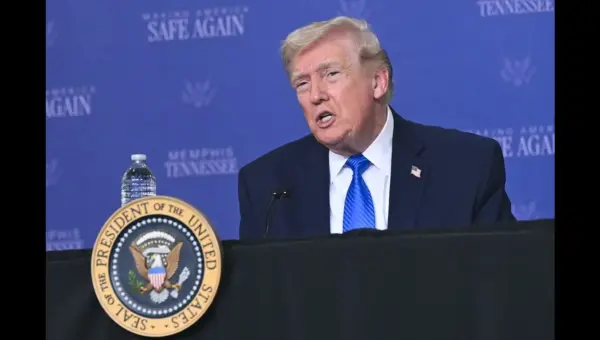
Trump Makes Bold Promises at Investment Summit
Former President Donald Trump addressed the FII PRIORITY Summit, outlining his economic vision. He promised deregulation, tax cuts, and protectionist trade policies aimed at boosting American jobs and competitiveness. These remarks signal potential future economic directions.