US Auto Giants Face Affordability Crisis
U.S. automakers are grappling with a severe affordability crisis, with average car prices nearing $50,000 and cheaper models disappearing from the market. Strategic shifts towards higher-margin vehicles, coupled with pandemic-induced supply chain issues, have pushed prices skyward, while global competition, particularly from China, intensifies.

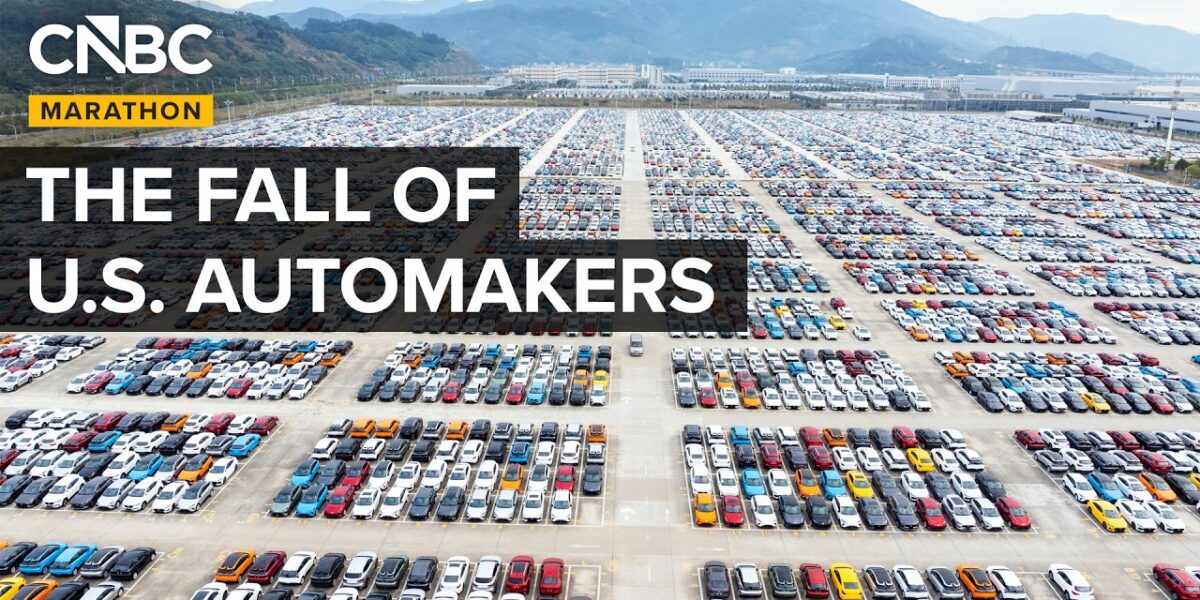
US Auto Giants Face Growing Affordability Crisis Amid Shifting Strategies and Global Competition
American consumers are experiencing a significant surge in the cost of nearly all goods, but the automotive sector has seen prices escalate at a pace that outstrips general inflation. The average price of a new vehicle has climbed to nearly $50,000, marking a substantial 30% increase over the past five years. This dramatic rise has pushed the cost of even basic automobiles into this five-figure territory, with monthly payments also hovering near historical highs. Adding to the strain, a record number of vehicle owners find themselves ‘underwater’ on their loans, meaning they owe more on their car payments than the vehicle is currently worth.
The Vanishing Affordable Vehicle
The concept of an ‘affordable car’ has become increasingly elusive. According to the Center for Automotive Research, an affordable vehicle would ideally cost around $25,000. However, the market has shifted dramatically away from this segment. Prior to 2018, vehicles priced under $20,000 constituted approximately one-fifth of the market. Today, these models have all but disappeared, with no car sold in September 2024 having an average sticker price below $20,000, and only a handful falling below the $25,000 mark. Conversely, sales of new cars priced above $60,000 have surged, indicating a strategic pivot by automakers towards higher-margin, premium vehicles.
Strategic Shifts: Profits Over Volume
This market recalibration is not accidental. Legacy automakers, particularly in the U.S., have explicitly prioritized profit margins over sales volume. This strategy, exemplified by General Motors and Stellantis (formerly Fiat Chrysler), involves sacrificing lower-profit, high-volume segments like sedans in favor of more lucrative SUVs and trucks. This focus on profitability has yielded significant financial gains, with GM and Ford reporting some of their highest profits in over a decade in 2023, and Stellantis achieving record earnings. These financial successes are partly driven by the need to fund substantial investments in new technologies such as electric vehicles (EVs), software-defined vehicles, and advanced driver-assistance systems. The high profitability of their internal combustion engine (ICE) businesses is seen as crucial for generating the free cash flow required to support the development of these next-generation vehicles.
The Pandemic’s Lingering Impact
The COVID-19 pandemic exacerbated the affordability issue. Production shutdowns, supply chain disruptions, and other constraints led to a significant tightening of vehicle supply. This scarcity allowed dealerships, and subsequently automakers, to implement substantial price increases, further alienating price-sensitive consumers. Despite feedback from dealerships requesting more affordable inventory, automakers have largely maintained their focus on higher-priced models, prioritizing profit margins over addressing the demand for cheaper vehicles.
The Rise of Chinese Competition and its Implications
The competitive landscape is also being reshaped by the emergence of Chinese automakers. These companies benefit from significant cost advantages, reportedly around 30% lower than legacy automakers, even without factoring in government subsidies. Factors contributing to this include lower labor costs, less stringent environmental regulations, and a more agile development process. While U.S. automakers have sought protection through tariffs, industry insiders suggest that long-term competitiveness will depend on their ability to cut costs and produce more affordable vehicles internally, rather than relying on protectionist measures.
Pathways to Affordability: Innovation and Adaptation
Several avenues exist for automakers to address the affordability crisis. Technological advancements are a key factor. The cost of EV batteries is falling faster than anticipated, and new materials like stronger, lighter steel could reduce manufacturing costs. The modular ‘skateboard’ platforms used for EVs allow for greater cost-sharing across different vehicle sizes, as seen with GM’s Chevrolet Equinox EV and Cadillac Celestiq sharing a platform. Innovative manufacturing techniques, such as Tesla’s proposed ‘unboxing’ method, could halve production costs and factory size. Furthermore, strategic partnerships, consolidation, and contract manufacturing, potentially in regions like Mexico, could help spread development and production expenses.
Policy also plays a role. Regulatory certainty regarding incentives, subsidies, and public-private partnerships is crucial for long-term investment, particularly for EVs. China’s consistent EV policies are cited as a contrast to the more volatile U.S. approach, which has sometimes led to the demise of promising domestic technologies, such as lithium iron phosphate battery development, which was later scaled by Chinese firms.
The Chrysler Conundrum: A Brand in Transition
Within the U.S. auto industry, legacy brands are grappling with their own challenges. Chrysler, once a pillar of American automotive manufacturing, has seen its market presence diminish significantly. Once a key player among the ‘Big Three,’ Chrysler now operates as one of 14 brands under Stellantis. The brand’s historical identity as a near-luxury or premium offering was diluted over decades, leading to a focus on minivans, which, while leading their segment, are a declining market. Despite internal efforts and concept reveals like the Halcyon coupe, the brand faces an uphill battle to recapture its former glory and market relevance. Stellantis has affirmed its commitment to the brand, with plans for new minivans and a large crossover, aiming to rebuild dealer and consumer confidence.
The Hemi’s Legacy and Ram’s Recovery
The decision by Ram, a Stellantis pickup truck brand, to discontinue the iconic Hemi V8 engine in favor of a more fuel-efficient twin-turbo inline-six proved controversial. Despite the engine’s technical merits, its removal coincided with a decline in Ram sales from Q1 2024 through Q1 2025. The subsequent return of former CEO Carlos Tavares, and the reinstatement of the Hemi, saw an immediate surge in orders, highlighting the enduring appeal of traditional powertrains for a significant segment of the market. This saga underscores the delicate balance automakers must strike between environmental mandates, technological advancement, and catering to established customer preferences.
What Investors Should Know
The U.S. auto industry is at a crossroads, facing intense pressure to balance profitability with affordability. Automakers are investing heavily in future technologies, funded by strong profits from current ICE vehicles, particularly trucks and SUVs. However, this strategy risks alienating a broad consumer base struggling with rising prices. The increasing competitiveness of Chinese automakers, coupled with the potential for disruptive manufacturing and software-driven approaches, poses a significant long-term threat. Investors should monitor how effectively legacy automakers can navigate these challenges, adapt their cost structures, and develop compelling, affordable vehicles for a changing market, while also considering the evolving role of traditional powertrains and the potential for market share shifts.
Source: Inside The Crisis Facing U.S. Auto Giants (YouTube)

Related Articles

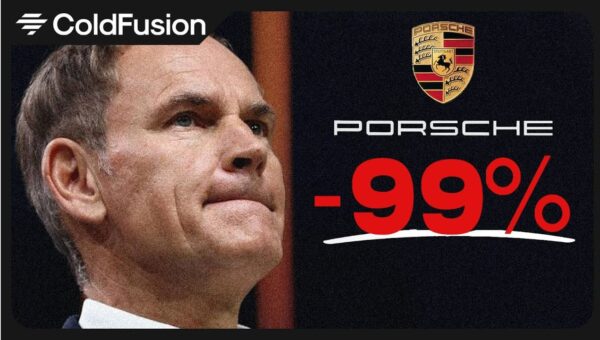
Porsche’s Profit Plunge: A Business Model in Crisis
Porsche's operating profit has plummeted by 99%, signaling a crisis for its long-standing business model. The luxury automaker faces challenges from shifting market demands, intense EV competition, and the high costs of electrification, forcing a strategic recalibration.


Tariffs Squeeze Automakers: Price Hikes and Feature Cuts Loom
Automakers face unsustainable tariff costs, forcing difficult decisions between raising prices, cutting features, or absorbing significant profit losses. Toyota, for example, incurred nearly $8 billion in tariff costs in its 2026 fiscal year, leading to a 25% drop in profits.


EU Reconsiders 2035 EV Ban: A Boon or a Setback?
The European Commission is reportedly set to delay its 2035 ban on new combustion engine cars, potentially pushing the deadline to 2040. This move, aimed at supporting the auto industry, sparks debate about the future of EVs and global competitiveness.