US Attorney Drops Controversial Case Against Lawmakers
A controversial attempt by a US Attorney's office to prosecute six Democratic lawmakers for a video reminding service members of their duty to disobey illegal orders has been dropped. The grand jury reportedly declined to indict, and prosecutors could not specify the alleged crimes.

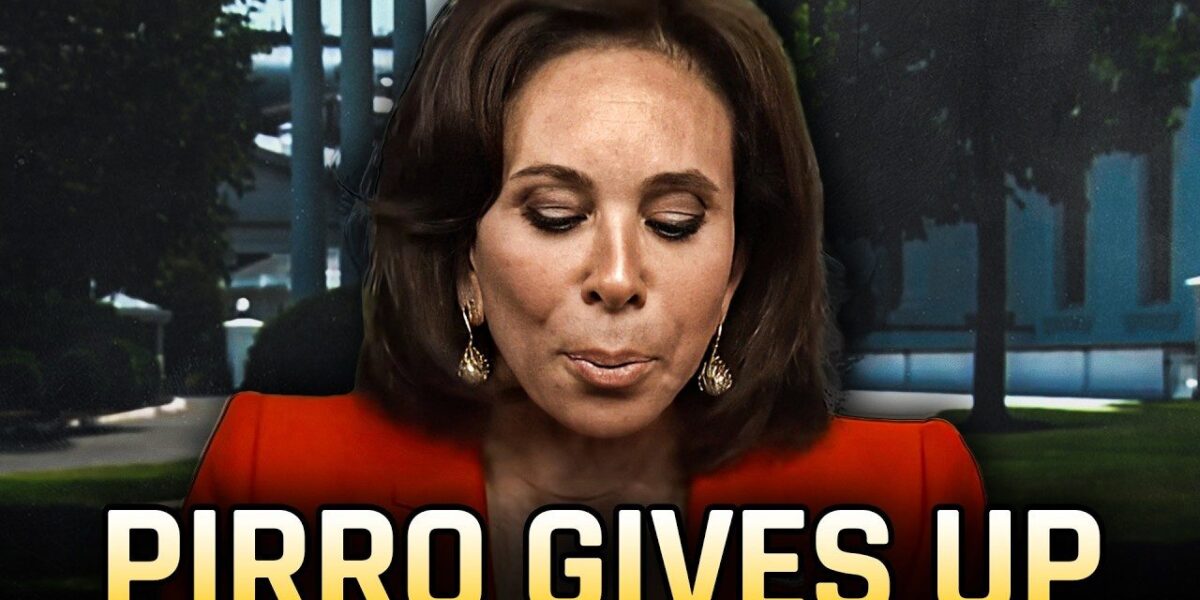
US Attorney Abandons Prosecution of Democratic Lawmakers
In a significant turn of events, a high-profile prosecution attempt orchestrated by a US Attorney’s office, reportedly under the influence of former President Donald Trump and former Florida Attorney General Pam Bondi, has been officially abandoned. The US Attorney’s office, led by Jeanine Pirro, has reportedly ceased its efforts to prosecute six Democratic lawmakers. The lawmakers were facing scrutiny for distributing a video that reminded service members of their duty to disobey illegal orders – a directive explicitly outlined in military handbooks.
Allegations of Political Prosecution Unravel
The case, which had advanced to the stage of impaneling a grand jury, faced significant setbacks. Sources indicate that the grand jury, after reviewing the evidence presented, declined to issue indictments. This decision followed revelations that the legal team for at least one of the targeted Democratic Senators had approached prosecutors. They inquired about the specific statutes allegedly violated and the nature of the crimes being investigated, but the prosecutors were reportedly unable to name any specific offenses.
The grand jury came back after hearing all of the onesided evidence and said, “No, no, we’re not going to do that.”
This outcome represents a series of perceived failures for the prosecution, which had apparently aimed to keep these proceedings out of public view. The apparent inability to articulate specific charges against the lawmakers has led to widespread criticism, with many observers labeling the endeavor as a politically motivated prosecution rather than a legitimate legal action.
Trump’s Reaction and the Underlying Motivation
Former President Donald Trump had publicly condemned the lawmakers’ actions, characterizing the video as “sedition at the highest level” on social media platforms. Sedition is a serious crime, and Trump’s strong reaction suggested he viewed the lawmakers’ reminder to military personnel as a direct challenge to his authority or intentions. The transcript suggests a deeper implication behind Trump’s anger: that he may have been planning to issue illegal orders and was concerned that service members, aware of their right to refuse such directives, would not comply.
The article posits that Trump’s outrage, rather than being a defense of military order, could be interpreted as an indication of his own potential for issuing unlawful commands. “It’s almost like the guy knew he was giving illegal orders or was planning to give illegal orders and didn’t want service members to know that they could not follow them,” the transcript states, highlighting the controversial nature of the alleged motivation.
Incompetence in High-Stakes Prosecutions
The failed prosecution is not an isolated incident, according to the transcript, which points to a pattern of what it describes as “cartoonishly incompetent” appointments by Donald Trump to significant roles. The article references a previous instance where the same US Attorney’s office was allegedly unable to secure an indictment against an individual, colloquially referred to as the “ham sandwich thrower,” further questioning the legal acumen involved.
Despite the perceived incompetence, the article stresses that the seriousness of the attempted prosecution should not be understated. “This administration attempted to indict six sitting lawmakers and not for the types of crimes that lawmakers have of course been indicted for in the past. Misusing campaign funds, insider trading. No, this was six people doing their job reminding the military of what their job description actually says,” the transcript notes, emphasizing the unprecedented nature of the charges pursued.
Broader Implications for Justice and Politics
The abandonment of this case raises critical questions about the intersection of political power and the justice system. The attempt to prosecute lawmakers for actions widely considered to be within their rights, and for reminding military personnel of established protocols, suggests a potential misuse of prosecutorial power for political ends. The failure of the grand jury to indict, coupled with the inability of prosecutors to specify charges, underscores the importance of checks and balances within the legal process.
This situation highlights the delicate balance between upholding the law and preventing its weaponization for partisan advantage. The incident serves as a stark reminder of the vigilance required to safeguard democratic institutions from undue political influence. The outcome suggests that even politically motivated legal challenges can be thwarted by adherence to due process and the refusal of legal bodies to be swayed by external pressures.
What’s Next?
As this particular prosecution is shelved, attention will likely shift to the broader implications of such politically charged legal actions. The decision by the US Attorney’s office to drop the case, citing a desire to avoid further “humiliation” and “failures,” may signal a strategic retreat. However, the underlying motivations and the conduct of the prosecution will likely remain subjects of intense scrutiny and debate. The public will be watching to see if similar attempts are made in the future and how the justice system, grand juries, and legal counsel respond to challenges that appear to blur the lines between legal accountability and political retribution.
Source: Jeanine Pirro Officially Gives Up (YouTube)

Related Articles
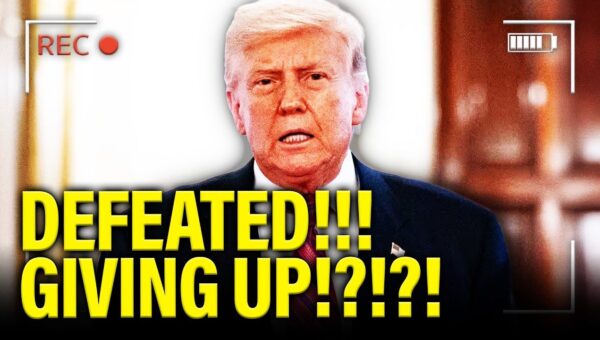
Trump DOJ Fails to Indict Critics as Grand Juries Push Back
Grand juries are increasingly rejecting indictment requests from the Trump-aligned Department of Justice, signaling a significant legal challenge for the administration's attempts to prosecute political critics. This trend has seen high-profile figures, including members of Congress, avoid charges, raising questions about prosecutorial overreach and the erosion of DOJ credibility.

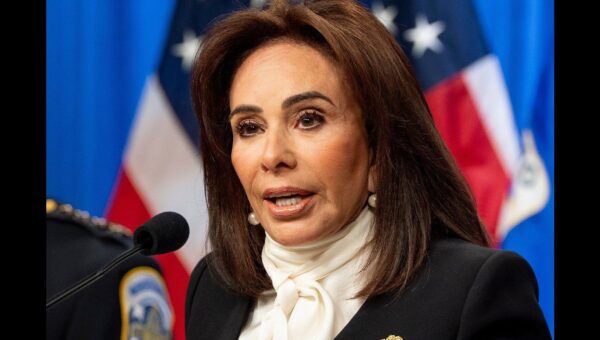
Judge Jeanine Pirro Concedes in Trump-Linked Prosecution Attempt
Jeanine Pirro, a U.S. Attorney linked to Donald Trump, has reportedly halted efforts to indict six members of Congress after a grand jury unanimously rejected the case. This development is seen as a significant setback and a victory for the rule of law, raising questions about accountability for prosecutorial overreach.
DOJ Prosecutors Failed to Identify Crime in Attempted Indictment of Democratic Lawmakers, Raising Alarms Over Rule of Law
A recent attempt by prosecutors to indict six Democratic lawmakers for a video reminding military service members of their duty to refuse unlawful orders has stunningly failed. The prosecution, reportedly led by Janine Piro, could not even name a single crime or statute allegedly broken when pressed by defense attorneys, leading to a grand jury's refusal to indict. This profound incompetence, while initially humorous, is raising serious alarms among commentators who warn against complacency in the face of what they describe as a dangerous abuse of power and an authoritarian threat to democratic norms.