US Army Chief Randy George Reportedly Ousted by Defense Secretary
US Defense Secretary Pete Hegseth has reportedly asked Army Chief of Staff General Randy George to step down, sparking speculation about disagreements over promotions. This move is part of a broader trend of senior military leadership changes since Hegseth took office. Experts worry about the long-term impact on military advice and strategy if dissent is discouraged.

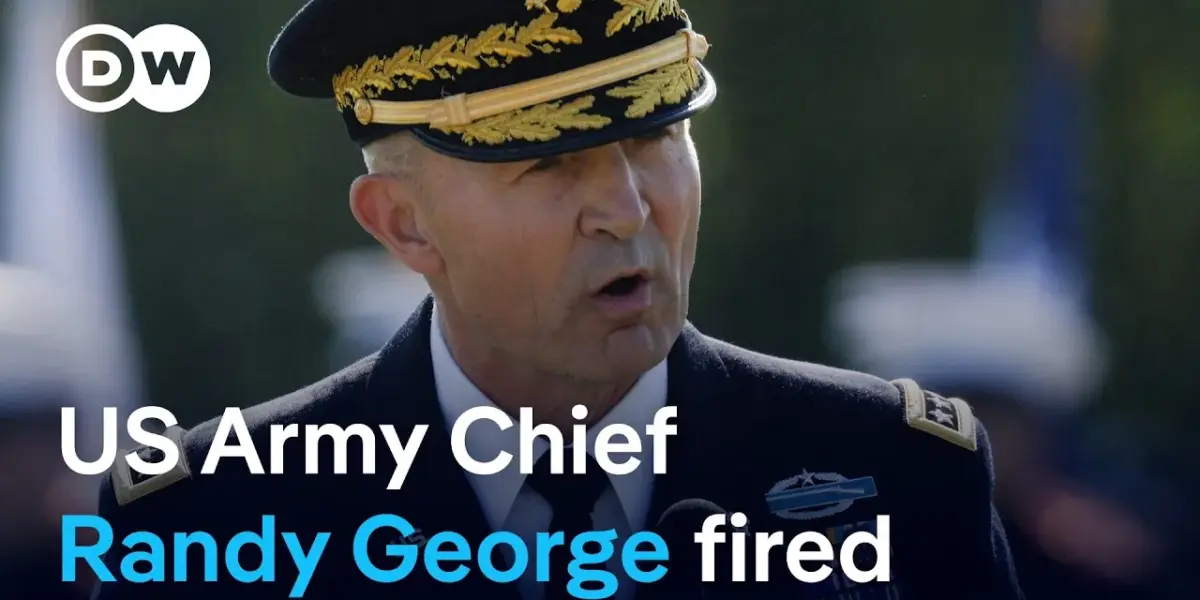
Pentagon Shakes Up Top Ranks: Army Chief of Staff Randy George Asked to Step Down
In a move that has sent ripples through the U.S. military, Defense Secretary Pete Hegseth has reportedly asked Army Chief of Staff General Randy George to step down immediately. The Pentagon has not yet provided an official reason for George’s departure. General George, a highly decorated veteran with service in Iraq and Afghanistan, has led the Army since 2023. This action marks the latest in a series of dismissals of senior U.S. military leaders since Hegseth took office last year.
Speculation Mounts Over Disagreement on Promotions
While official explanations are scarce, speculation points to a potential disagreement over a promotion list for one-star generals. Sources suggest that Secretary Hegseth wanted five specific individuals removed from the list. It is believed that a conflict arose between the Army leadership and the Secretary regarding the wisdom of removing or keeping these officers on the list. This disagreement is thought to be the primary reason behind General George’s requested resignation.
“There’s been no official word on why that was. Now the speculation is that they disagreed over a promotion list to one star general. There were five people in particular that secretary Hegseth wanted removed from the list and presumably there was a disagreement between the army and the secretary about that the the wisdom of removing or retaining those officers.”
– Retired US Army Colonel Chris Kenda
Broader Trend: A “Purge” of Senior Military Leadership?
Retired U.S. Army Colonel Chris Kenda, who now consults on strategic leadership, highlighted a larger pattern. He described the situation as a “purge of the senior military ranks.” While acknowledging that the Defense Secretary has the legal authority to dismiss senior officers, Kenda questioned the wisdom of such actions. “Just because you can do something doesn’t always mean you should do something,” he stated.
Reshaping the Military: Trump and Hegseth’s Influence
The article touches upon how the Trump administration, with Hegseth at the helm of defense, is reshaping the U.S. military. Kenda noted some welcome changes, particularly in addressing the “weaponization of investigations” against senior leaders. Previously, unfounded claims could lead to lengthy suspensions, often with no basis. The new approach aims to reduce frivolous investigations that could hinder capable leaders.
The Value of Disagreement in Leadership
Kenda emphasized the importance of disagreement in fostering strong leadership, both in the military and in other sectors. He argued that strong leaders welcome differing opinions, seeing them not as disrespect but as valuable input. “Strong leaders surround themselves by strong people who are willing to offer their their opinions and those leaders uh welcome that disagreement because they understand its value,” Kenda explained. This contrasts with weaker leaders who may fear dissent.
Impact on Current Conflicts and Future Strategy
While the immediate impact of General George’s departure on current military operations is likely limited, the long-term consequences could be more significant. Kenda expressed concern about fostering a culture where disagreement is unwelcome. This could lead to subpar military advice, potentially harming both current and future conflicts. The chief of staff’s role is less about direct operational command and more about strategic guidance and force readiness.
What’s Next for the U.S. Military?
The recent changes at the top of the Army raise questions about the future direction of U.S. military leadership and its strategic thinking. As more senior officers are replaced, observers will be watching closely to see how these shifts affect military readiness, strategic decision-making, and the overall culture within the armed forces. The emphasis on civilian control is a cornerstone of U.S. defense, but the manner and frequency of these leadership changes are drawing increased scrutiny.
Source: Pete Hegseth pushes US Army Chief Randy George to step down | DW News (YouTube)

Related Articles

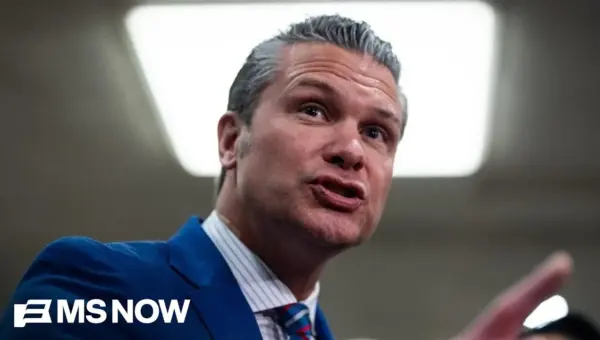
Pentagon Leader Ousts Top Army General Amid Iran Tensions
Defense Secretary Pete Hegseth has reportedly fired Army Chief of Staff General Randy George, sparking criticism of politicization amid ongoing international tensions. The move is part of a pattern of alleged interference in military promotions, raising concerns about morale and the nonpartisan nature of the armed forces.

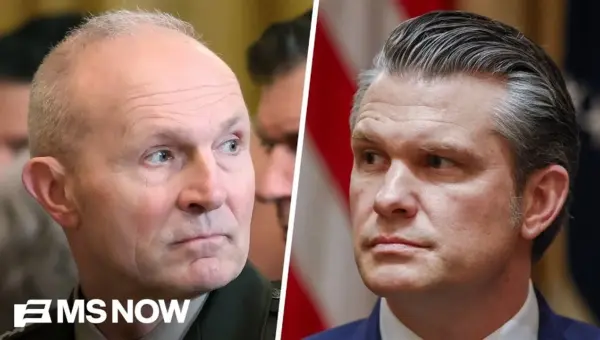
Pentagon Shake-Up: Top Army General Out Amid Iran Tensions
Defense Secretary Pete Hegseth has removed Army Chief of Staff Randy George and several other top generals in a significant shake-up at the Pentagon. These widespread leadership changes raise concerns about lost institutional knowledge and established networks during a critical time of escalating tensions with Iran.

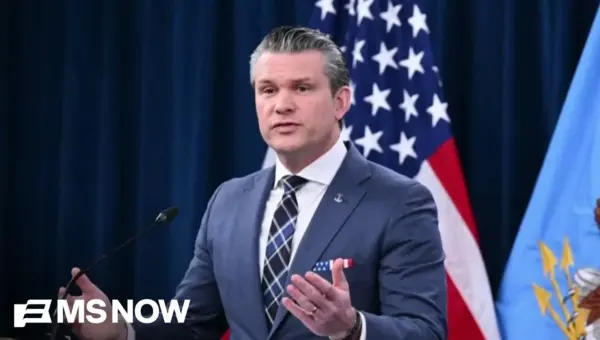
Hegseth Fires Army Chief Amid War, Sparks Uproar
Defense Secretary Pete Hegseth has abruptly fired Army Chief of Staff General Randy George amid the ongoing war in Iran, sparking widespread concern and questions on Capitol Hill. Critics allege the move is part of a pattern of political purges, weakening experienced leadership. With General George out and a new acting chief expected, the focus is on the stability and direction of the Army's command during a critical period.