US and Israel Strike Iran, Trump Calls for Regime Change
The U.S. and Israel launched significant strikes against Iran early Saturday, prompting retaliatory actions and a direct call for regime change from President Trump. Allies express concern, while intelligence agencies brace for potential terrorist retaliation.

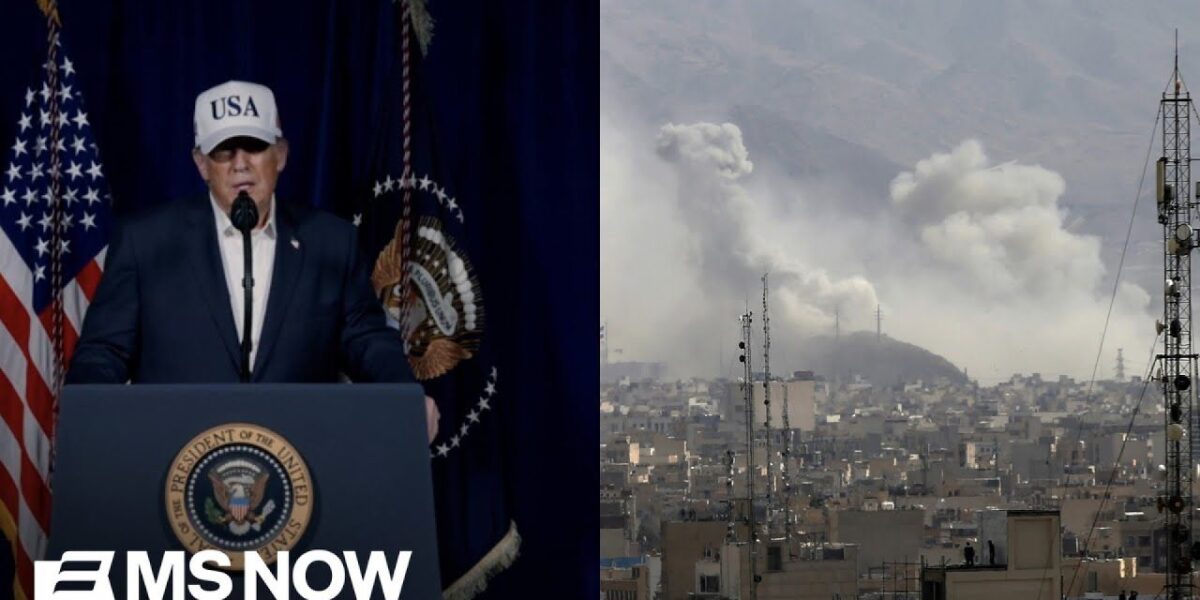
US and Israel Launch Major Strikes Against Iran, President Trump Urges Regime Change
In a significant escalation of regional tensions, the United States and Israel launched major combat operations against Iran in the early hours of Saturday, February 28th. The coordinated strikes prompted immediate retaliatory actions from Iran, which reportedly targeted Israel and several Gulf nations, including Bahrain, the United Arab Emirates, and Qatar. President Donald Trump, confirming the U.S. involvement via social media, issued a direct call for the overthrow of Iran’s government, urging the Iranian people to seize their opportunity for freedom.
“Finally, to the great proud people of Iran, I say tonight that the hour of your freedom is at hand. Stay sheltered. Don’t leave your home. It’s very dangerous outside. Bombs will be dropping everywhere. When we are finished, take over your government. It will be yours to take. This will be probably your only chance for generations.” – President Donald Trump
Diplomacy Fails Amidst Calls for Regime Change
The strikes come after a period of intense, albeit apparently unsuccessful, diplomatic efforts. Negotiators close to the talks in Geneva described an Iranian offer that, while significant, did not align with President Trump’s broader objective. Sources indicate that the President believed the time was ripe for decisive action, aiming to achieve what no other U.S. president had managed since 1979: the removal of the current Iranian regime.
“The next two weeks will be very interesting and suggested that he needed to do something that no other president had been able to do since 1979. Let’s get rid of Iran’s terror regime,” a source close to the President stated.
Allies in the Gulf region expressed significant concern over the strikes, with one official noting that the attacks were perceived as being launched against U.S. allies without prior notification, hindering their ability to protect themselves. However, some nations, including the UAE and Bahrain, have reportedly voiced support for the U.S. action. These countries host vital American military bases that have reportedly come under Iranian attack.
Iran’s Response: Muted Intensity, Broad Targeting
Initial reports from sources in the Gulf describe Iran’s missile response to the U.S. strikes as muted in terms of intensity, despite targeting a wide range of countries. The United Arab Emirates reported successfully intercepting all incoming Iranian missiles. Despite the limited destructive effect, there is a palpable expectation among Gulf nations of potential future attacks targeting critical oil infrastructure and shipping lanes, which could have significant global economic repercussions.
The Saudi government issued a statement of solidarity with regional countries affected by Iranian strikes, signaling a clear alignment with the U.S. position against Iran.
A “Viking-Like Strategy”?
Analysts are debating the strategic underpinnings of the U.S. action. Some suggest a “Viking-like strategy,” characterized by a swift strike followed by a withdrawal to negotiate, a tactic observed in previous U.S. actions in regions like Venezuela. This approach, as described by individuals privy to the President’s thinking, involves leveraging military force to create leverage for diplomatic outcomes.
“It seems that the President has fixed himself on a strategy again as David Ignatius said, a that is a Viking-like strategy where you strike, you pull back, you negotiate, you threaten another strike,” one analyst observed.
The President’s focus appears to be less on immediate threats or the intricacies of nuclear negotiations and more on dismantling a regime he views as historically hostile to American interests and responsible for the deaths of Americans over decades.
Intelligence Community Concerns: The Specter of Terrorism
The intelligence community has long warned of the potential for asymmetrical attacks and retaliatory terrorism by Iran, even if the regime itself were significantly weakened. Iran, identified as a leading state sponsor of terrorism, possesses a sophisticated global terrorist apparatus.
“Iran is the leading state sponsor of terrorism on the planet and United States, an enemy of the United States for decades and decades,” stated a former CIA officer. “The intelligence community and my old colleagues in the counterterrorism mission center are going to be laser focused on what? Well, first of all, it’s on protecting U.S. embassies, protecting U.S. facilities overseas.”
Heightened alert levels are in place for U.S. facilities globally, as Iran has demonstrated the capability to orchestrate terrorist plots, some of which have been foiled within the United States. The potential for such attacks to be planned over months, rather than days or weeks, remains a significant concern for both U.S. and allied intelligence services.
A Long-Overdue Reckoning?
For many in the national security community, the U.S. action against Iran resonates with a deep-seated historical grievance. The transcript highlights a long list of incidents where Iran has been accused of killing Americans, including the 1980s Beirut barracks bombing, the bombing of the U.S. embassy in Beirut, and the provision of explosively formed projectiles (EFPs) to Shia proxy groups in Iraq that resulted in American casualties. The Khobar Towers bombing is also cited.
“There’s a lot of American blood on Iran’s hands. And so, as we debate this, whether this was wise or not, I think a lot of us in the national security world, particularly practitioners, are saying, look, you know, the rent was really long overdue on this. Maybe this was not the right course of action, but there’s a side of it that you have to kind of think back. And President Trump was right to kind of list those grievances that the U.S. has with Iran. Many of us do feel that way.”
What’s Next?
The immediate future remains uncertain, with key questions about the long-term strategy, the potential for further escalation, and the effectiveness of the U.S. “Viking-like” approach. The world will be watching closely for Iran’s next moves, the response from regional powers, and the U.S. administration’s diplomatic and military follow-through. The potential for Iranian-backed terrorist retaliation adds another layer of complexity and danger to an already volatile situation.
Source: NEW VIDEO: U.S STRIKES IRAN as President Trump calls for regime change (YouTube)

Related Articles
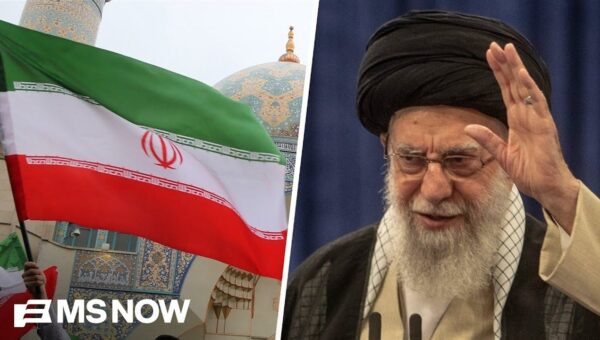
Iran Celebrates After Israeli Strikes Eliminate Top Leaders
Following Israeli airstrikes that reportedly killed Iran's Supreme Leader and top staff, celebrations have erupted among the Iranian diaspora. While a "monumental event," analysts caution against immediate expectations of a smooth democratic transition due to the IRGC's power and a divided opposition.
Dem Rep. Gomez: Trump Was Never Truthful About Peace
California Congressman Jimmy Gomez criticized the Trump administration's handling of intelligence regarding Iran, stating the President was "never truthful" about his intentions. Democrats plan to force a vote on a War Powers resolution, arguing the recent military actions lacked justification and congressional approval.
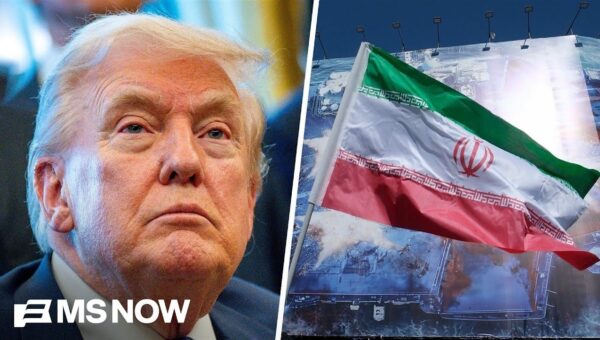
Trump Open to Iran Talks After Attacks, Shifts on Regime Change
President Trump has agreed to negotiate with Iran's new leadership following recent U.S. and Israeli attacks, signaling a potential shift from his regime change objective. The move has drawn scrutiny from former officials who question the strategic coherence of U.S. policy.