US and Israel Launch Joint Strikes on Iran
The US and Israel have launched coordinated air and sea strikes against Iran, targeting its nuclear and ballistic missile programs. Former President Donald Trump confirmed the operation, emphasizing the goal of eliminating imminent threats and preventing Iran from acquiring nuclear weapons. The strikes aim for maximum impact in the initial stages to avoid a prolonged conflict, though concerns about regional escalation remain.

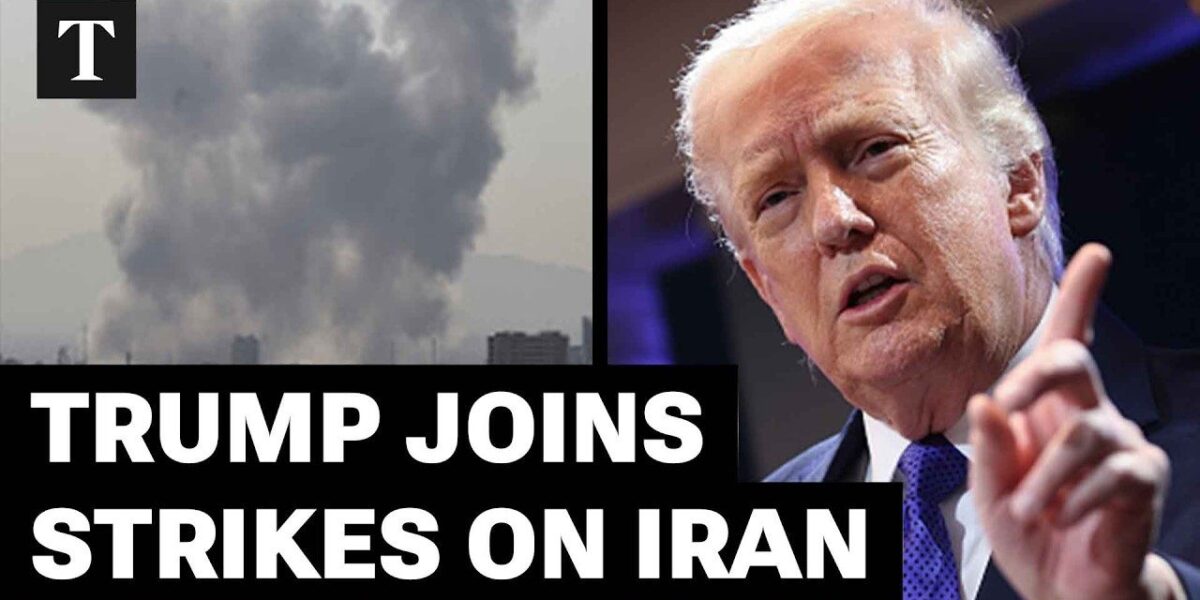
US and Israel Launch Joint Strikes on Iran in Major Operation
In a significant escalation of regional tensions, the United States and Israel have launched coordinated air and sea strikes targeting Iranian regime and military installations. The operation, confirmed by former President Donald Trump via a video posted on his Truth Social platform, signifies a major joint military undertaking aimed at curtailing Iran’s nuclear and ballistic missile programs.
Details of the Operation Emerge
Reports indicate that the strikes, which commenced approximately an hour and a half before initial broadcasts, hit targets within Iran, including ballistic missile launchers and depots. Residents in Israel were alerted by nationwide sirens and smartphone warnings, advising them to seek shelter, though no incoming Iranian missiles were immediately reported. A US official confirmed to Reuters that the attacks are being carried out by both air and sea, underscoring the joint nature of the operation.
“The US military is undertaking a massive and ongoing operation. We’re going to destroy their missiles and raise their missile industry to the ground,” stated Donald Trump in his video message. He further asserted, “Iran is developing long range missiles that threaten the US and others. And Iran attempted to rebuild its nuclear program. It can never have a nuclear weapon.”
Strategic Coordination and Rationale
Sources suggest that the planning for these strikes has been underway for many weeks, with both American and Israeli attack plans meticulously reviewed and refined. The overarching strategy appears to be focused on achieving maximum gains in the initial stages of the campaign, reflecting Donald Trump’s stated aversion to prolonged conflicts. This approach aims to concentrate firepower and efforts within a concentrated timeframe, potentially the next 48 hours, to cripple Iran’s offensive capabilities.
The coordination extends to defensive measures, with enhanced protection for American bases and Israeli missile defense systems now in place. This includes missile defense batteries and aircraft equipped to intercept incoming threats mid-flight. The concentration of American military assets in the region, including hundreds of aircraft and two aircraft carrier groups, signals a significant commitment to this offensive.
Potential for Escalation and Wider Conflict
Despite the focused nature of the initial strikes, concerns remain about the potential for a rapid escalation. Iran possesses a substantial arsenal of missiles, and there is a possibility of a “use it or lose it” mentality among its leadership, potentially leading to a swift and widespread retaliatory response. This could involve launching missiles from Iran itself or through its proxies, such as Hezbollah in Lebanon and the Houthis in Yemen, as well as pro-Iranian Iraqi militias.
The implications extend beyond direct missile exchanges. Iran’s capacity to disrupt shipping in the Strait of Hormuz, a critical global energy chokepoint, remains a significant concern. The joint operation aims to preemptively degrade Iran’s capabilities, but the success of these efforts and Iran’s subsequent response will determine the trajectory of the conflict.
Objectives: Regime Change or Negotiation Leverage?
The ultimate objectives of the operation are subject to interpretation. While Israeli officials have emphasized a focus on preemptive strikes to deny Iran’s threatening capabilities, the targeting of regime-aligned infrastructure suggests a broader aim of weakening the current Iranian leadership. Donald Trump’s stated desire for swift gains and his past rhetoric indicate a preference for a decisive outcome that could either lead to negotiations from a position of strength or potentially impact the regime’s stability.
The possibility exists that if Iran offers significant concessions on its nuclear and ballistic missile programs within the next few days, the operation could be framed as a success, allowing for a de-escalation. This strategic approach underscores a desire to avoid a protracted military engagement, aligning with Trump’s known foreign policy preferences.
Broader Regional Ramifications
The potential for this conflict to engulf the wider region is a primary concern. The involvement of Iranian proxies could draw other actors into the confrontation, exacerbating existing geopolitical fault lines. The targeting of Iran’s nuclear program, even if partially degraded in previous actions, remains a key strategic objective, given its long-term implications for regional security.
The manner in which former President Trump announced the operation—via a pre-recorded video on social media rather than a traditional presidential address—also offers insight into his communication style and strategic approach. This move deviates from conventional presidential announcements for military actions of such magnitude, signaling a distinct communication strategy.
Looking Ahead
The coming hours and days will be critical in assessing the impact of these strikes and Iran’s response. The focus will be on whether the joint operation successfully degrades Iran’s immediate threats, the extent of any Iranian retaliation, and whether the situation de-escalates towards negotiations or spirals into a wider regional conflict. The international community will be closely monitoring developments as both sides gauge their next moves in this volatile geopolitical landscape.
Source: Trump Strikes Iran In Joint Operation With Israel (YouTube)
