US and Israel Launch Airstrikes on Iran; Tehran Retaliates
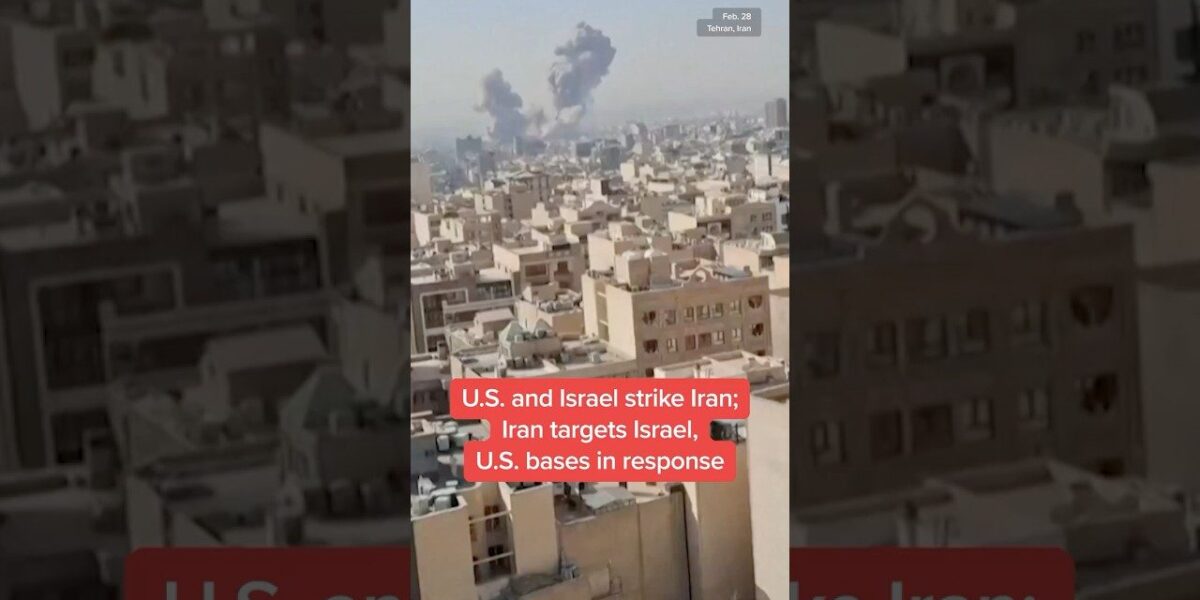
The U.S. and Israel have conducted major airstrikes on targets across Iran, prompting a retaliatory response from Tehran. Iran reportedly targeted Israel and U.S. bases in the UAE and Bahrain. This escalation heightens regional tensions and raises concerns for global stability.

US and Israel Launch Airstrikes on Iran; Tehran Retaliates
In a significant escalation of regional tensions, the United States, in coordination with Israel, has launched major airstrikes targeting sites across Iran. The retaliatory actions by Iran have reportedly included strikes on Israel and U.S. bases located in the United Arab Emirates and Bahrain. The dual offensive and retaliatory actions mark a dramatic turn in the ongoing geopolitical conflict, with far-reaching implications for the Middle East and global stability.
Preemptive Strikes and Initial Retaliation
The initial airstrikes, carried out by the U.S. in conjunction with Israeli forces, were aimed at disrupting Iran’s military capabilities and infrastructure. While specific targets and the extent of damage remain under review, the operation signifies a direct confrontation between the U.S.-led coalition and Iran. The transcript indicates that these strikes were a response to previous actions by Iran, though the precise nature of those provocations was not detailed.
Following the U.S.-Israeli strikes, Iran launched its own retaliatory measures. According to reports, Iranian forces targeted locations within Israel, demonstrating their capacity to strike back at their primary adversary. Concurrently, Iranian actions were directed at U.S. military installations situated in the United Arab Emirates and Bahrain. These bases are crucial hubs for American operations in the region, and their targeting underscores Iran’s intent to inflict damage on U.S. interests.
Context of Escalating Regional Conflict
This recent exchange of fire occurs against a backdrop of heightened volatility in the Middle East. The region has been grappling with a complex web of conflicts, proxy wars, and diplomatic tensions for years, with Iran often at the center of these disputes. The involvement of the United States and Israel in direct strikes against Iranian territory, and Iran’s subsequent retaliation against Israel and U.S. bases, represents a dangerous escalation that moves beyond the traditional shadow conflicts.
The coordination between the U.S. and Israel suggests a unified strategic objective, likely aimed at deterring further Iranian aggression or neutralizing immediate threats. However, such direct military engagement carries substantial risks, including the potential for wider regional war, increased civilian casualties, and severe economic repercussions, particularly concerning global energy markets.
Implications for Regional and Global Security
The immediate aftermath of these strikes is being closely monitored by international powers. The response from other regional players, such as Saudi Arabia, Qatar, and other Gulf states, will be critical in determining the trajectory of the conflict. Their stance could either help de-escalate tensions or inadvertently draw them deeper into the confrontation.
Globally, the strikes raise concerns about the security of vital shipping lanes, especially in the Strait of Hormuz, a critical chokepoint for oil transport. Any disruption to these routes could lead to significant spikes in oil prices and impact the global economy. Furthermore, the involvement of major world powers in direct conflict with Iran could have broader geopolitical consequences, potentially reshaping alliances and international relations.
International Reactions and Diplomatic Efforts
While the transcript does not detail specific international reactions or diplomatic maneuvers, it is expected that global bodies like the United Nations will be urged to intervene. Calls for an immediate ceasefire and renewed diplomatic engagement are likely to intensify. The challenge for diplomats will be immense, given the deep-seated animosities and complex political landscape.
The U.S. and Israeli governments will likely face scrutiny regarding the proportionality and legality of their strikes, while Iran will be under pressure to demonstrate restraint despite its retaliatory actions. The narrative surrounding these events will be crucial, as information warfare and propaganda are often key components of modern conflicts.
Looking Ahead: What to Watch Next
The coming days and weeks will be pivotal in assessing the long-term impact of these strikes. Key developments to watch include:
- Further retaliatory actions or de-escalation from Iran.
- The specific nature and extent of damage to targeted sites in Iran and the U.S. bases.
- Statements and actions from regional allies and adversaries.
- International diplomatic responses and potential mediation efforts.
- Impact on global oil prices and the stability of international trade routes.
The situation remains fluid, and the potential for further escalation is significant. The world watches with bated breath as this critical chapter in Middle East conflict unfolds.
Source: U.S. and Israel strike Iran; Iran targets Israel, U.S. bases in response (YouTube)

Related Articles


Trump: Iran Strikes Ahead of Schedule, Expects ‘Great Deal for World’
Three U.S. service members have been killed amid escalating conflict with Iran, President Trump confirmed. He stated that strikes are ahead of schedule, with senior Iranian leaders killed, and expressed optimism for a "great deal for the world" despite ongoing talks with Iranian officials.
Trump Agrees to Talks with Iran After Major Strikes
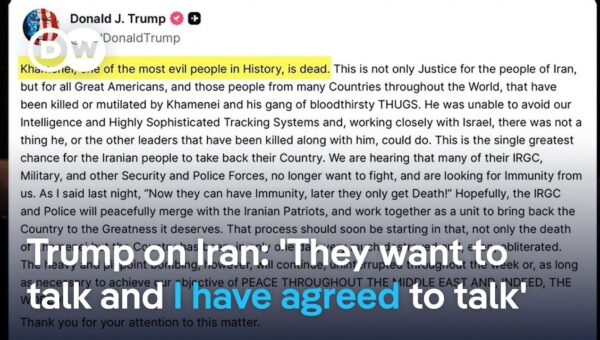
President Donald Trump has agreed to talks with Iran's leadership following coordinated strikes that reportedly killed key figures, including the Supreme Leader. While Trump claims significant military successes, U.S. strategy remains unclear, and public opinion shows limited support for the actions amid rising American casualties.


Iran Rejects Trump Ceasefire Offer Amid Escalating Regional Conflict
Iran has rejected a ceasefire offer from the Trump administration, escalating regional tensions and leading to U.S. casualties. The conflict, dubbed 'Operation Epic Fury,' has seen Iranian retaliatory strikes across the Middle East and disruption in the Strait of Hormuz.