US and Iran Hold Crucial Talks Amid Strait of Hormuz Crisis
High-level US and Iranian diplomats are meeting in Islamabad for crucial face-to-face talks aimed at de-escalating the crisis in the Strait of Hormuz. The negotiations come amid Iran's effective control of the vital shipping lane, which has disrupted global trade and impacted financial markets. Expectations are cautiously pessimistic, but the direct nature of the talks offers a potential pathway to stability.

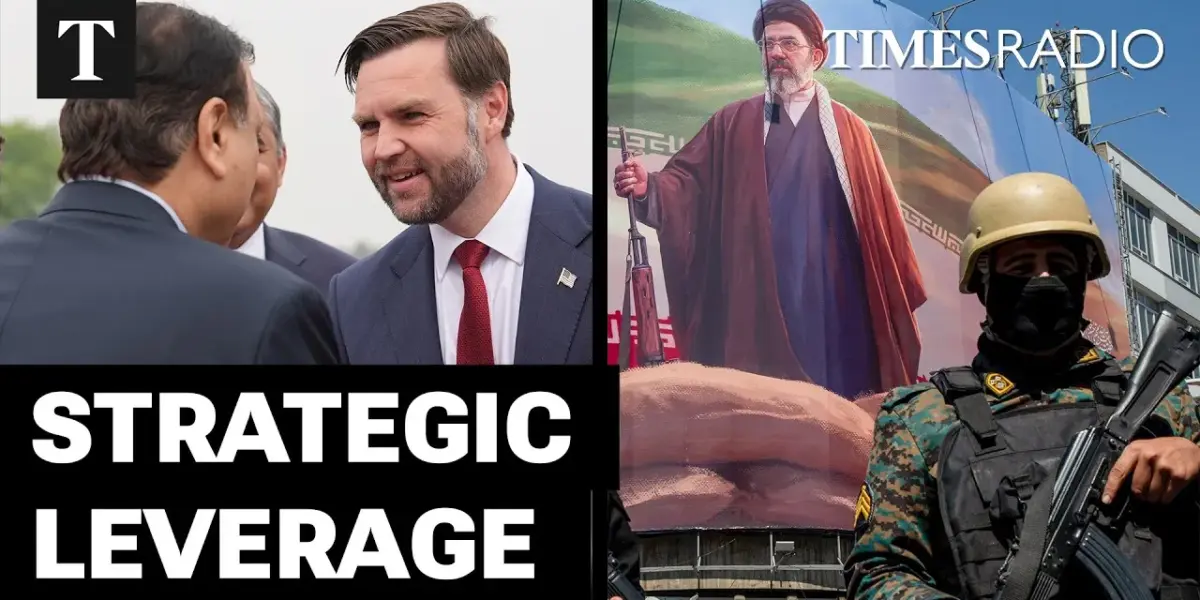
High-Stakes Diplomacy Unfolds in Islamabad
In a significant development for the Middle East, representatives from the United States and Iran have met for face-to-face trilateral talks in Islamabad. This marks a critical juncture following weeks of conflict that saw the US and Israel bombing Iran. The US delegation, led by Vice President JD Vance, includes Steve Wickoff and Jared Kushner, though Iran had reportedly preferred to negotiate directly with Vance.
The talks come at a time of heightened tension, particularly over the closure of the Strait of Hormuz, a vital global shipping lane. This strategic waterway has become a key point of contention, with Iran employing tactics that have effectively disrupted international maritime traffic. The situation presents a complex challenge for the US, which appears eager to de-escalate the conflict and restore stability to the region.
Iran’s Strategic Advantage in the Strait of Hormuz
The ongoing crisis in the Strait of Hormuz has granted Iran a significant strategic advantage, a point highlighted by former US diplomat Alan. He explained that Iran’s control over the strait is not primarily due to mining, as some might assume. Instead, Iran has effectively leveraged its capabilities to deter international insurers, making it too risky for ships to transit the waterway.
“They got control of the straight not by mining it though they may have laid a few mines and they may have forgotten where those mines are. But they got control of the straight by scaring the international insurance markets so that they wouldn’t ensure ships that wanted to go through the straight.”
This tactic, combined with a continued supply of missiles, rockets, and drones, has allowed Iran to dictate terms. The disruption has had a profound impact on global financial markets, a factor President Trump appears to be keenly aware of. His focus seems to be on avoiding further market instability, suggesting a potential shift in US strategy towards de-escalation.
Challenges and Expectations for the Diplomacy
Despite the high-level nature of the talks, expectations for a swift resolution remain cautious. Alan, who was part of the Obama administration’s negotiating team for the Iran nuclear deal, expressed a sentiment of “cautious pessimism.” He noted that while reaching an agreement on key issues is possible, the complexity of the situation presents significant hurdles.
A key point of discussion is likely to be Iran’s demands for security guarantees and a source of revenue, potentially through tolls on the Strait of Hormuz. The US, under President Trump, has shown an aversion to such measures, though previous statements have suggested a more flexible approach at times. The effectiveness of the US negotiating team is also a subject of debate. While Vice President Vance is present, his lack of direct diplomatic experience in such high-stakes negotiations raises questions about his ability to secure optimal decisions without direct presidential approval.
A New Era of Direct Negotiations
This round of talks is notable for being the highest-level direct engagement between the US and Iran during the Trump administration. Unlike previous negotiations that relied on intermediaries, these direct discussions are expected to speed up the process. The Iranian delegation reportedly possesses the authority to make decisions on the spot, a crucial factor in facilitating progress.
Alan emphasized the importance of sustained, serious negotiations. He contrasted the current approach with the lengthy process involved in the Iran nuclear deal, suggesting that a focus on core principles, rather than exhaustive documentation, might be more effective. The success of these talks could hinge on both sides scaling back their maximalist demands and finding common ground on issues ranging from Iran’s nuclear program to the critical maritime routes.
Looking Ahead: The Path to Stability
The outcome of the Islamabad talks remains uncertain, but the willingness of both nations to engage directly signals a potential shift. The immediate focus will be on de-escalating the conflict in the Strait of Hormuz and finding a path toward restoring global trade. Any agreement, even a minimal one, that allows for the normalization of traffic through the strait would represent a significant step forward. The coming days and weeks will be crucial in determining whether these diplomatic efforts can translate into lasting stability for the region and the global economy.
Source: US-Iran Talks In Islamabad: ‘Iran Has The Upper Hand’ (YouTube)

Related Articles
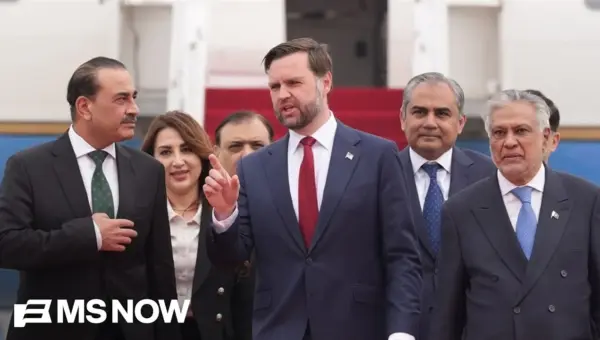
Iran Nuclear Deal Expert Warns Against Quick Deal Expectations
Robert Malley, a key negotiator of the 2015 Iran nuclear deal, warns against expecting a quick or easy resolution in current U.S.-Iran peace talks. He stresses that any agreement will require compromise from both sides, not surrender. Malley suggests the current talks may focus on immediate steps like reopening the Strait of Hormuz and sanctions relief, laying groundwork for future, more comprehensive discussions.

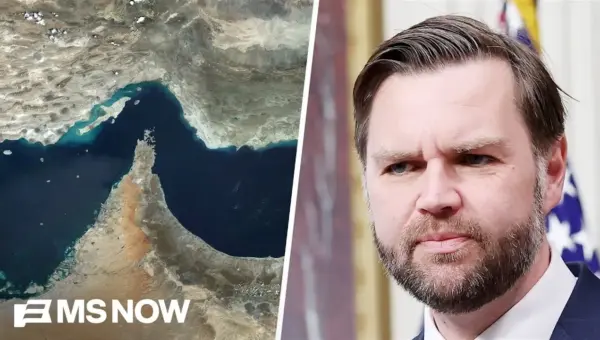
US Minesweepers Clear Strait of Hormuz Amid Peace Talks
U.S. forces have commenced mine-clearing operations in the Strait of Hormuz, a critical waterway, amid high-level peace talks with Iran in Pakistan. The operation, seen as a positive sign, occurs while diplomats discuss Iran's nuclear program and regional stability. Experts weigh the risks, Iran's strategic leverage, and the complex interplay of international relations, including Israel's ongoing military actions.

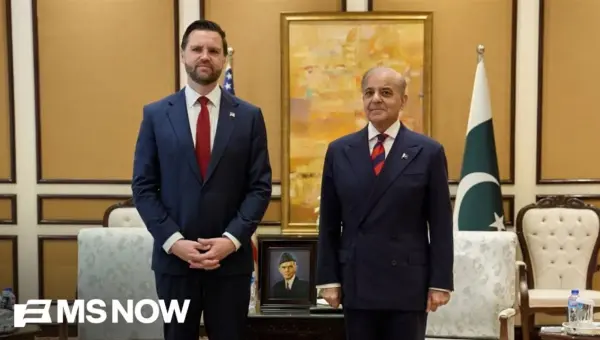
US, Iran Hold Landmark Peace Talks in Pakistan
Top U.S. and Iranian delegations are holding landmark peace talks in Islamabad, Pakistan, mediated by the Pakistani government. This marks the first direct meeting between the two nations in nearly 50 years, with Vice President J.D. Vance leading the U.S. side.