US and Iran Agree to Two-Week Ceasefire Amid Tensions
The United States and Iran have agreed to a two-week ceasefire, temporarily halting nearly 40 days of conflict. The deal, brokered by Pakistani mediators, hinges on the reopening of the Strait of Hormuz, though significant sticking points remain regarding Iran's nuclear program and the terms of a potential permanent agreement. International relief is palpable, but analysts warn of the challenges ahead in achieving lasting peace.

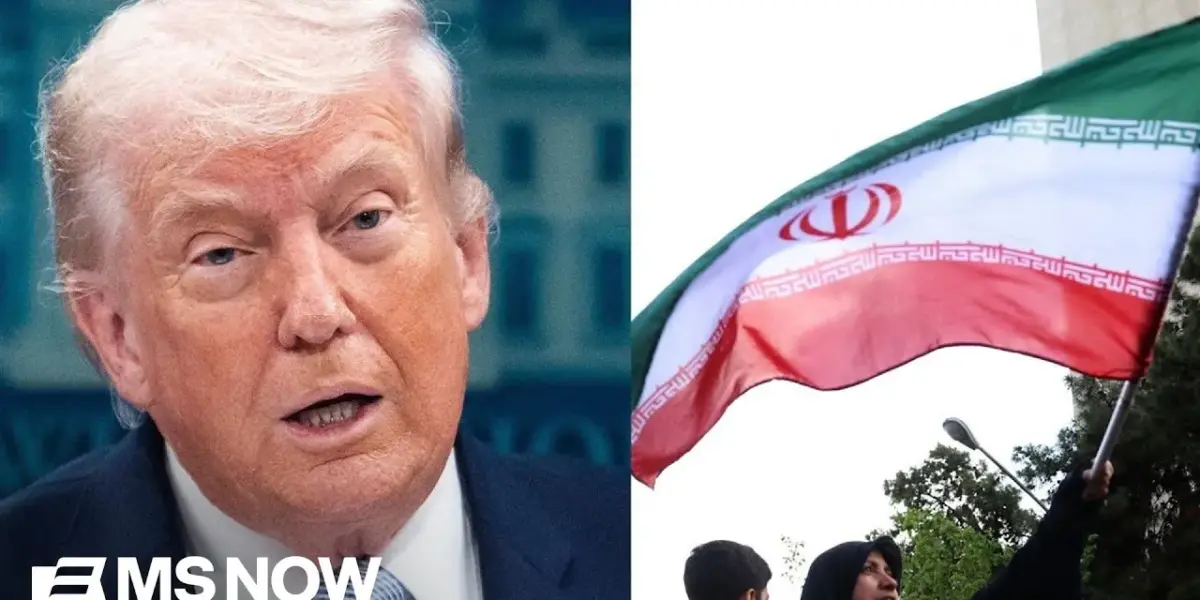
Ceasefire Reached After Weeks of Conflict
The United States and Iran have agreed to a two-week ceasefire, bringing a temporary halt to nearly 40 days of fighting. President Trump announced the agreement on social media, stating that he would withhold threatened attacks on Iran for two weeks. This decision came after Pakistani mediators urged the President to reconsider his ultimatum. The agreement is contingent on the reopening of the Strait of Hormuz.
Key Terms and Negotiations
Iranian officials have accepted the ceasefire, with their foreign minister indicating that passage through the Strait of Hormuz would be possible through coordination with the Iranian military. This pause aims to give both sides time to work towards a permanent end to the conflict. While the U.S. had previously demanded unconditional surrender, the current negotiations appear to be based on Iran’s 10-point proposal. This proposal includes a permanent end to strikes against Iran, the return of frozen assets, and the lifting of sanctions. It also calls for the withdrawal of American combat forces from the region and for Israel to cease operations in Lebanon and against other Iranian allies.
“Without question, there is a sigh of relief… that we’ve moved from this extraordinary threat to wipe out a civilization to a process of discussion.”
David Ignatius
Sticking Points and Ambiguities
Despite the agreement, significant challenges remain. The ambiguity of both sides’ positions is a major concern. While President Trump has called Iran’s 10-point proposal a workable basis for negotiation, certain items will be difficult for the U.S. to accept. Notably, the Farsi version of the proposal mentions retaining some uranium enrichment capabilities, which the U.S. has deemed unacceptable. The reopening of the Strait of Hormuz is another critical issue. Iran has suggested a system with Oman to allow shipping, potentially involving tolls, which is expected to be a difficult point to negotiate.
International Reaction and Concerns
The ceasefire has been met with a general sense of relief in financial markets and around the world. However, concerns persist about the actual implementation of the ceasefire, especially given the independent operations of certain Iranian forces. Israel has agreed to suspend strikes on Iran but insists the ceasefire does not include Lebanon, leading to an evacuation order in a southern Lebanese city. Missile alerts have also continued in several Gulf states, suggesting the ceasefire orders may not have fully reached all Iranian forces.
Broader Implications and Future Outlook
Analysts are closely watching several key areas. The primary concern is whether the ceasefire will hold, given the historical difficulties in enforcing such agreements. The specifics of the Strait of Hormuz’s opening are crucial for the global economy, with potential restrictions impacting oil flow. The location and nature of the upcoming talks in Islamabad also raise questions about the long-term role of the Iranian Revolutionary Guard Corps (IRGC) and the regime’s future capabilities. Some experts criticize President Trump’s aggressive rhetoric, suggesting it may have harmed the U.S. position, while others believe it was a tactic to bring Iran to the negotiating table. The conflict has come at a significant cost, including depleted munitions, service member deaths, and damage to infrastructure. The long-term geopolitical implications for the region and trust in American leadership are also subjects of ongoing discussion.
What’s Next?
The next two weeks will be critical as negotiations begin in Islamabad. The world will be watching to see if the ceasefire holds, how the Strait of Hormuz issue is resolved, and whether a lasting peace agreement can be reached. The potential role of China in co-guaranteeing any settlement also presents a significant shift in the global diplomatic landscape.
Source: David Ignatius: Sigh of relief as U.S. and Iran agree to two-week ceasefire (YouTube)

Related Articles
Oil Prices Plummet as Iran Ceasefire Ends Strait of Hormuz Standoff
A last-minute ceasefire between the U.S. and Iran has averted a crisis in the Strait of Hormuz, sending oil prices tumbling and stocks soaring. The deal brings relief to global energy markets, though verification of Iran's compliance and the role of other nations remain key concerns.

Iran’s Hormuz Toll Likely to Stay After Conflict
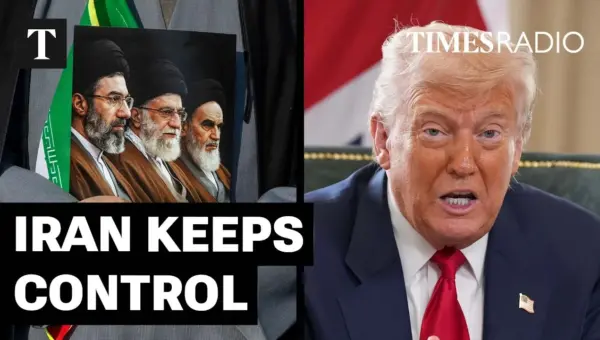
A recent ceasefire has brought relief, but Iran's control over the vital Strait of Hormuz and potential for continued tolls remain significant concerns. Experts suggest that compromise will be key to a lasting peace, while oil markets grapple with ongoing supply disruptions despite the recent price drop.

Trump Halts Iran Attack, Agrees to Two-Week Ceasefire
President Trump has agreed to a two-week ceasefire with Iran, halting a threatened attack just before it was set to occur. The deal, brokered by Pakistan, requires Iran to reopen the Strait of Hormuz. While averting immediate escalation, the long-term implications and the success of upcoming negotiations remain uncertain.