US and Iran Agree to Two-Week Ceasefire Amid Tensions
The United States and Iran have reached a two-week ceasefire agreement, halting hostilities amid escalating tensions. Announced by President Trump, the deal hinges on Iran's agreement to open the Strait of Hormuz. This development follows a period of intense threats and international concern.

US and Iran Agree to Two-Week Ceasefire Amid Tensions
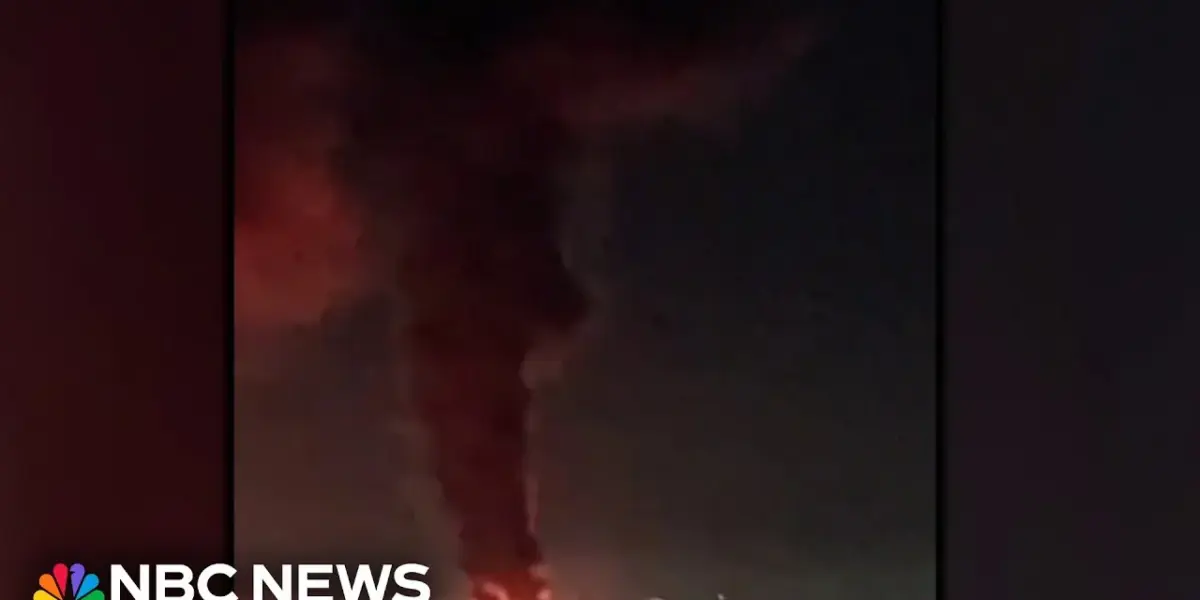
In a dramatic turn of events, the United States and Iran have agreed to a two-week ceasefire, halting hostilities that have gripped the Middle East. The agreement, announced via President Trump’s Truth Social post, came after intense negotiations and a period of escalating threats.
A Sudden Pause in Fighting
President Trump announced the potential ceasefire on Truth Social, stating, “SUBJECT TO THE ISLAMIC REPUBLIC OF IRAN AGREEING TO THE IMMEDIATE AND SAFE OPENING OF THE STRAIT OF HORMUZ, I AGREE TO SUSPEND THE BOMBING AN ATTACK OF IRAN FOR A PERIOD OF TWO WEEKS.” He referred to this as a “double ceasefire.” This announcement followed reports from Iranian state TV indicating that the U.S. had accepted Iran’s conditions, though some details remained unclear.
The President also mentioned a ten-point proposal from Iran, calling it a “workable basis on which to negotiate.” According to the President’s claims, all past points of contention between the U.S. and Iran have been resolved. This two-week period is intended to allow for the finalization of the agreement.
Escalating Threats and International Concern
The ceasefire announcement capped a day of rapid developments. Earlier in the day, President Trump had significantly increased his threats against Iran, posting on social media, “A WHOLE CIVILIZATION WILL DIE TONIGHT, NEVER TO BE BROUGHT BACK.” This came as Iran urged its citizens to gather at power plants and bridges, with state TV showing images of people lining up.
In response to concerns about the use of human shields, the President stated in a phone call that such actions would be “totally illegal” and not permitted. The escalating rhetoric drew strong criticism from various international quarters. Democrats called the President’s earlier post “unhinged,” and even some conservatives expressed concern that he might be overstepping boundaries.
Ceasefire Details and Military Operations
Courtney Kube at the Pentagon confirmed that the U.S. military had ordered all offensive operations in Iran to cease immediately. This was based on information from two U.S. officials. However, the ceasefire’s commencement was still contingent on Iran agreeing to the complete and immediate opening of the Strait of Hormuz.
Iranian state media presented a different interpretation, suggesting the agreement involved controlled passage through the Strait, coordinated with the Iranian armed forces. This would grant Iran a unique economic position. In recent weeks, Iran had imposed tolls on ships seeking safe passage through this vital waterway, and it remains uncertain if this practice will continue.
Military Capabilities and Objectives
President Trump asserted that the U.S. had met or surpassed its military objectives in Iran. The U.S. had conducted strikes on over 13,000 targets during the five-week conflict. Despite these actions, Iran demonstrated its ability to target regional allies and strike both civilian and military targets on a daily basis.
According to an official briefed on the matter, roughly half of Iran’s ballistic missile launchers remain operational, and thousands of missiles are still in its arsenal. Furthermore, multiple Iranian missile stockpiles, buried deep underground, are intact. Iran also proved its defensive capabilities by shooting down an F-15 fighter jet and damaging other aircraft during a search-and-rescue mission. They employed a heat-seeking, shoulder-fired missile, indicating that even a single individual with a relatively simple weapon could pose a threat.
Looking Ahead
The coming two weeks will be critical as both nations work to finalize the agreement and navigate the complexities of the Strait of Hormuz passage. The success of this ceasefire will depend on sustained de-escalation and a mutual commitment to the negotiated terms. International observers will be closely watching to see if this pause in hostilities leads to a lasting peace.
Source: U.S. and Iran agree to two-week ceasefire (YouTube)

Related Articles


Ceasefire Sparks Hope for Crypto Market Rebound
A recent ceasefire has sparked renewed optimism in the crypto markets, prompting analysts to examine technical indicators for signs of a sustained rebound. While geopolitical calm can boost investor confidence, the long-term outlook also depends on regulatory clarity and broader adoption trends. The upcoming launch of the Commonwealth Union Blockchain Network adds another layer of interest to the evolving digital asset space.


Trump Halts Iran Attacks, Seeks Peace Deal
President Trump has agreed to a two-week suspension of attacks on Iran, contingent on Iran reopening the Strait of Hormuz. This move comes as the U.S. reports progress on a peace proposal and highlights the Iranian people's desire for freedom.

US-Iran Ceasefire Holds Amid Tensions, Strait of Hormuz Key
The US and Iran have agreed to a two-week ceasefire, brokered by Pakistan, with the crucial condition that Iran reopens the Strait of Hormuz. This development impacts global oil and gas supplies, as well as food security through fertilizer transport. However, concerns remain about potential Iranian mobilization and compliance, particularly following reports of post-ceasefire missile launches.