US and Iran Agree to Fragile Ceasefire Amid Conflicting Claims
The United States and Iran have announced an 11th-hour ceasefire agreement, but the deal's stability is immediately in question, with both sides issuing contradictory statements. Key issues include the reopening of the Strait of Hormuz and Iran's nuclear program, while diplomatic talks are set to begin.

US and Iran Forge Tentative Ceasefire, Tensions Remain High
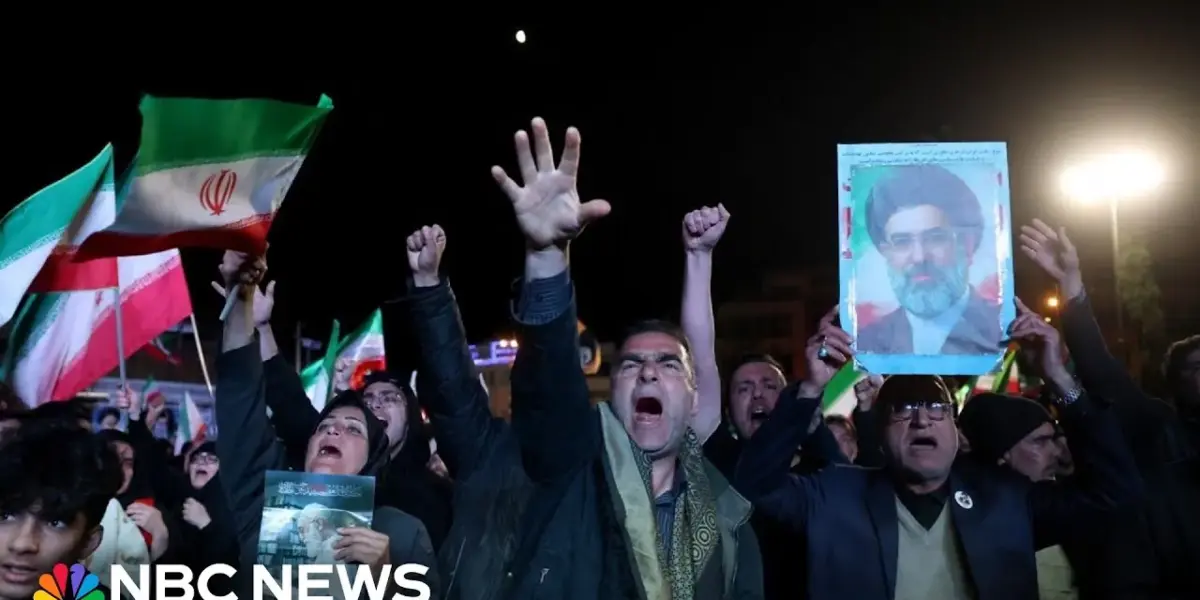
Washington D.C. – In a dramatic late-stage development, the United States and Iran have announced an 11th-hour ceasefire agreement, pulling back from the brink of wider conflict. President Trump declared the truce, contingent on Iran reopening the Strait of Hormuz, but the deal’s stability is immediately in question, with both sides issuing contradictory statements and Iran accusing the U.S. and Israel of violating the terms.
A ‘Delicate Tightrope Walk’ Amidst Uncertainty
The agreement, described by Vice President Vance as a “delicate tightrope walk,” was announced by President Trump via social media. He stated that bombing would cease, provided Iran immediately and safely reopened the vital Strait of Hormuz. The President also mentioned receiving a “workable” ten-point proposal from Iran, though details remain scarce. However, Iran’s Supreme National Security Council has called the ceasefire a victory against American aggression, celebrating in the streets while burning U.S. and Israeli flags. This starkly different interpretation highlights the deep-seated mistrust and confusion surrounding the deal.
Conflicting Narratives on Iran’s Proposals
Confusion over the specifics of the agreement is rampant, particularly concerning Iran’s ten-point proposal. Vice President Vance suggested that multiple, varying ten-point proposals have been floated. He described the first as “fundamentally unserious” and immediately discarded by the U.S. negotiating team, possibly even generated by AI. A second, more reasonable proposal, developed through back-channel communications involving Pakistan, is believed to be the basis of President Trump’s reference. The White House, however, has been hesitant to release details, with Press Secretary Karine Leavitt stating that Iran’s public announcements about the agreement cannot be trusted.
Strait of Hormuz: A Critical Chokepoint
A key point of contention is the status of the Strait of Hormuz, a vital waterway for global oil markets. Iran’s state media reported the suspension of traffic through the strait, citing Israeli attacks on Hezbollah in Lebanon as a violation of the agreement. The White House strongly refuted these claims, stating that privately, an uptick in traffic has been observed and reiterating the President’s demand for the strait’s immediate reopening. This dispute underscores the fragility of the truce and the potential for rapid escalation.
Broader Regional Impact and Diplomatic Efforts
The ceasefire’s impact extends beyond the immediate U.S.-Iran dynamic. Attacks targeting Qatar and Kuwait by Iranian drones have also been reported, indicating a lack of widespread de-escalation. Meanwhile, diplomatic efforts are underway, with Pakistan set to host talks in Islamabad. Vice President Vance is expected to lead the U.S. delegation, accompanied by Special Envoy Steve Witkoff and Senior Advisor Jared Kushner. These talks aim to solidify the fragile truce and explore a path towards a more lasting resolution, though significant hurdles remain.
Military Victory Claims and Unresolved Issues
Defense Secretary Hegseth declared Operation Epic Fury a “historic and overwhelming victory,” stating that Iran’s military capabilities have been significantly degraded. He highlighted the President’s choice of mercy over crippling Iran’s economy. However, military officials acknowledge that key objectives, such as destroying Iran’s ballistic missile and drone capabilities, have not been fully achieved. The issue of Iran’s enriched uranium stockpile also remains a critical point, with the U.S. reserving the right to take further action if Iran does not voluntarily hand it over.
Market Reaction and Economic Implications
Wall Street reacted with a significant relief rally following the ceasefire announcement, with the Dow surging over 1300 points and oil prices plummeting. Investors appear to be pricing in the avoidance of a sustained shutdown of the Strait of Hormuz. However, this optimism may be premature, as shipping companies and insurance agencies report little practical change and a lack of full maritime certainty. The market’s reaction is largely based on expectations rather than confirmed reality on the ground.
Looking Ahead: Navigating the Path Forward
The coming days will be crucial in determining the fate of this tentative ceasefire. The upcoming diplomatic talks in Islamabad present an opportunity to clarify the terms and build trust. However, the deep divisions in understanding between the U.S. and Iran, coupled with ongoing accusations of violations and the complex regional dynamics, suggest that the path to lasting peace will be fraught with challenges. The world will be watching closely to see if this “delicate tightrope walk” can lead to a stable resolution or if the region will once again be plunged into conflict.
Source: Ceasefire deal a ‘delicate tightrope walk’ after Iran accuses U.S. and Israel of violating agreement (YouTube)

Related Articles
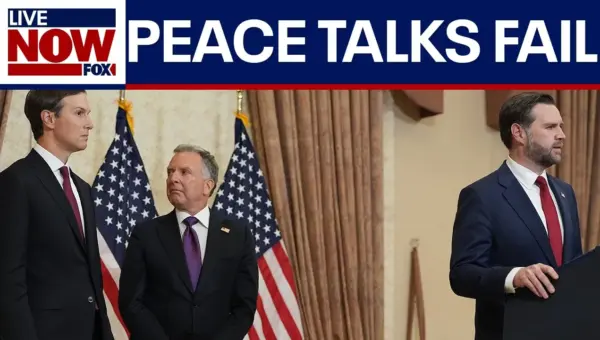
US-Iran Nuclear Talks Collapse; Ceasefire Remains Fragile
U.S. and Iran ceasefire talks in Pakistan have ended without an agreement after 21 hours, with both sides blaming each other. Key sticking points included Iran's nuclear program and its refusal to accept American terms. The fragile two-week ceasefire remains in place, but regional tensions are high.

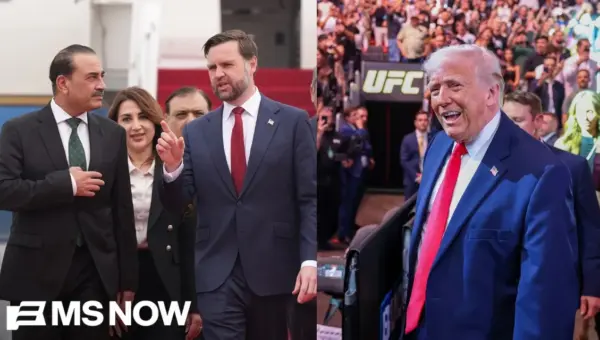
Trump Attends UFC Fight Amidst Iran Peace Talks Collapse
President Trump attended a UFC fight in Miami while high-stakes negotiations with Iran reportedly collapsed. His presence at the event, along with a brief meeting with Joe Rogan, has drawn criticism for appearing to prioritize entertainment over critical diplomacy.

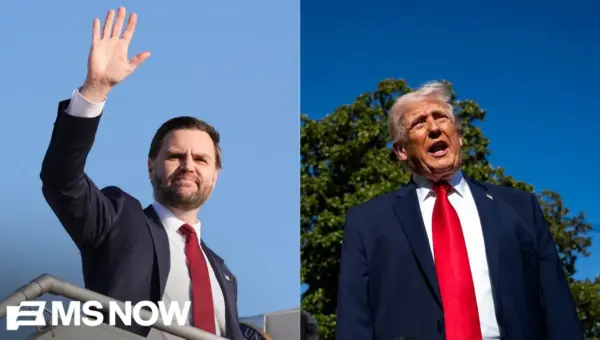
US-Iran Peace Talks Collapse Amid Nuclear Standoff
High-level peace talks between the United States and Iran have collapsed, with Vice President J.D. Vance announcing no agreement was reached after 21 hours of discussions. The primary sticking point was Iran's nuclear ambitions, with the U.S. seeking a clear commitment against developing nuclear weapons. Despite the failure, the historic nature of the meeting and the continuation of a fragile ceasefire offer a sliver of hope for future diplomacy.