US and Allies Launch Major Strikes on Iran
The United States and Israel launched major combat operations against Iran, escalating regional tensions. President Trump called for the overthrow of Iran's government, while Iran responded with retaliatory strikes. The article examines the justifications for the war, regional reactions, and potential underlying motivations.

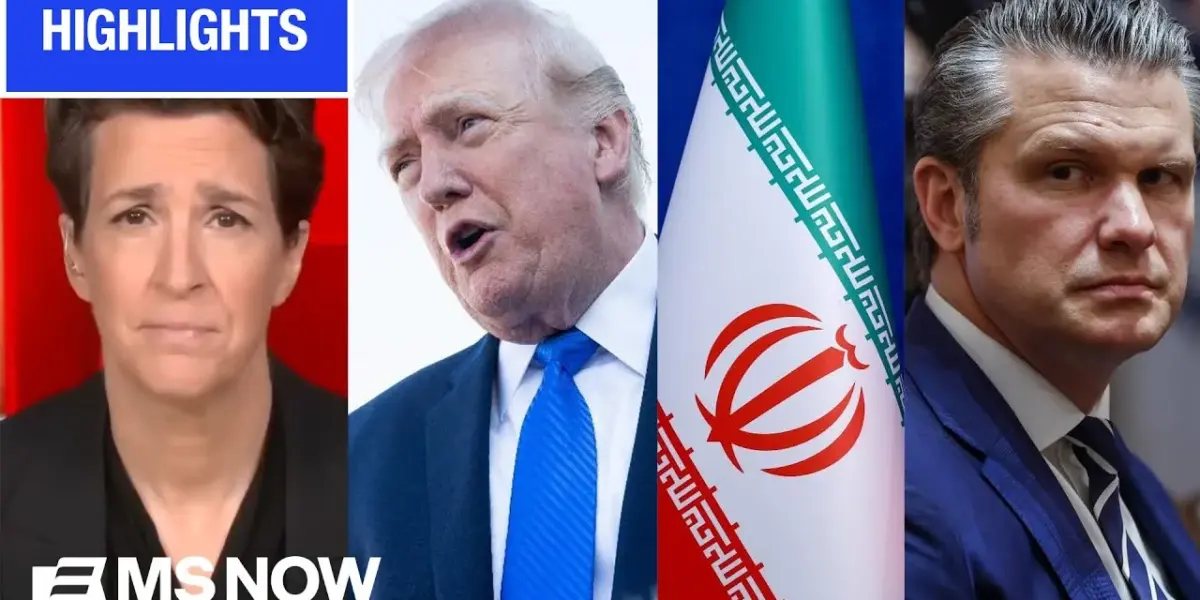
US and Allies Launch Major Strikes on Iran, Escalating Regional Tensions
In the early hours of Saturday, February 28th, the United States and Israel initiated significant combat operations targeting Iran. The coordinated strikes, confirmed by President Trump in a social media post, were followed by retaliatory missile attacks from Iran against Israel and several countries in the region, including Bahrain, the United Arab Emirates, and Qatar.
President Trump Calls for Regime Change in Iran
President Trump directly addressed the people of Iran, urging them to rise up and overthrow their government. “The hour of your freedom is at hand,” he stated in a message that also cautioned citizens to remain sheltered due to the widespread danger of bombings. The President emphasized this as a potentially generational opportunity for the Iranian people to seize control of their nation.
Diplomacy Fails Amidst Broader Goals
Negotiators close to recent talks in Geneva described an Iranian offer that was nearing President Trump’s demands regarding nuclear assurances. However, sources suggest a lack of trust in these assurances and a deeper presidential objective to confront the current Iranian regime directly. This move marks a significant departure from previous diplomatic efforts, with the President aiming to address what he views as a long-standing issue since 1979.
Regional Reactions and Concerns
Allies in the Gulf region expressed considerable concern over the unfolding events. While some nations, like the UAE and Bahrain, are home to American military bases that have reportedly come under attack, others have voiced support for the joint US-Israeli operation. Saudi Arabia issued a statement of solidarity with countries targeted by Iranian strikes, signaling a clear alignment with the US position against Iran. However, a significant concern remains regarding potential future attacks on oil infrastructure and Gulf shipping, which could heavily impact global energy prices.
Intelligence Warnings and Historical Grievances
Intelligence officials and national security experts highlighted long-standing concerns about Iran’s role as a state sponsor of terrorism. Decades of Iranian-backed attacks, including those targeting Americans in Beirut and through explosively formed projectiles in Iraq, have created deep-seated grievances. Analysts warn that even if the current regime is crippled, elements within Iran could continue to pose threats through terrorist activities across the region, Europe, and potentially the United States. Heightened alerts have been issued by law enforcement agencies, anticipating such retaliatory actions.
Questions Surrounding the War’s Rationale
Despite the administration’s stated reasons, questions persist about the immediate necessity and strategic underpinnings of the conflict. Reports indicate Iran is not on the verge of developing intercontinental ballistic missiles or rapidly enriching uranium to weapons-grade levels, contrary to some assertions. Even within the administration, there have been acknowledgments that Iran is not currently enriching uranium. The timing of the strikes, particularly given the President’s past comments suggesting a war could be initiated for political benefit, has drawn scrutiny.
A “Viking-like” Strategy?
Some analysts suggest the President may be employing a “Viking-like” strategy: strike, pull back, and then negotiate, similar to approaches seen in Venezuela and Cuba. This strategy, focused on leveraging military action to force concessions rather than prolonged engagement, appears to be the President’s favored method. The focus seems to be on dismantling the existing regime rather than engaging in traditional diplomatic channels regarding nuclear or missile programs.
The Role of Regional Rivals and Financial Interests
The article raises questions about who benefits from the conflict, pointing to Iran’s regional rivals like Saudi Arabia and the UAE. These nations have made significant financial investments in the Trump family and administration in recent years. The potential for these investments to influence US foreign policy, leading to military action desired by these Gulf states, is a central theme explored. The narrative suggests that the US military may have been enlisted to wage a war that serves the interests of these regional powers, rather than being directly driven by a clear and consistent threat to American national security.
Looking Ahead
As the situation develops, the international community will be watching closely for Iran’s next moves and the broader geopolitical ramifications of these strikes. The long-term consequences for regional stability, global energy markets, and the potential for escalating conflict remain significant concerns. The effectiveness of the US strategy, particularly its reliance on regime change and potential for unforeseen blowback, will be critical to assess in the coming weeks and months.
Source: 30 DAYS OF WAR: Watch MS NOW's coverage of the Iran conflict from the start (YouTube)

Related Articles

Gulf Allies Urge Trump to Continue Iran Conflict
U.S. allies in the Persian Gulf are urging President Trump to intensify military action against Iran, believing Tehran has not been sufficiently weakened. The ongoing conflict raises concerns about regional stability and global energy prices, while questions linger about the administration's long-term strategy.

Middle East Conflict Sends Gas Prices Soaring Past $4
The national average gas price has surpassed $4 per gallon for the first time since 2022, driven by escalating conflict in the Middle East. Recent attacks on oil tankers and military strikes have heightened fears of energy supply disruptions, impacting consumers globally.
US Weighs Troop Deployment Amid Iran Deal Push
The U.S. is considering deploying ground troops to Iran while simultaneously pushing for a diplomatic deal to reopen the Strait of Hormuz. Air strikes are ongoing as President Trump increases pressure on Iran.