US Allies Balk as China Threat Looms
The U.S. faces a critical challenge as allies hesitate to commit to confronting China's growing power, particularly concerning Taiwan. Events in the Middle East reveal a reluctance among key partners to share the burden of global security. This inaction raises serious questions about the future of international alliances and the readiness for potential major power conflict.

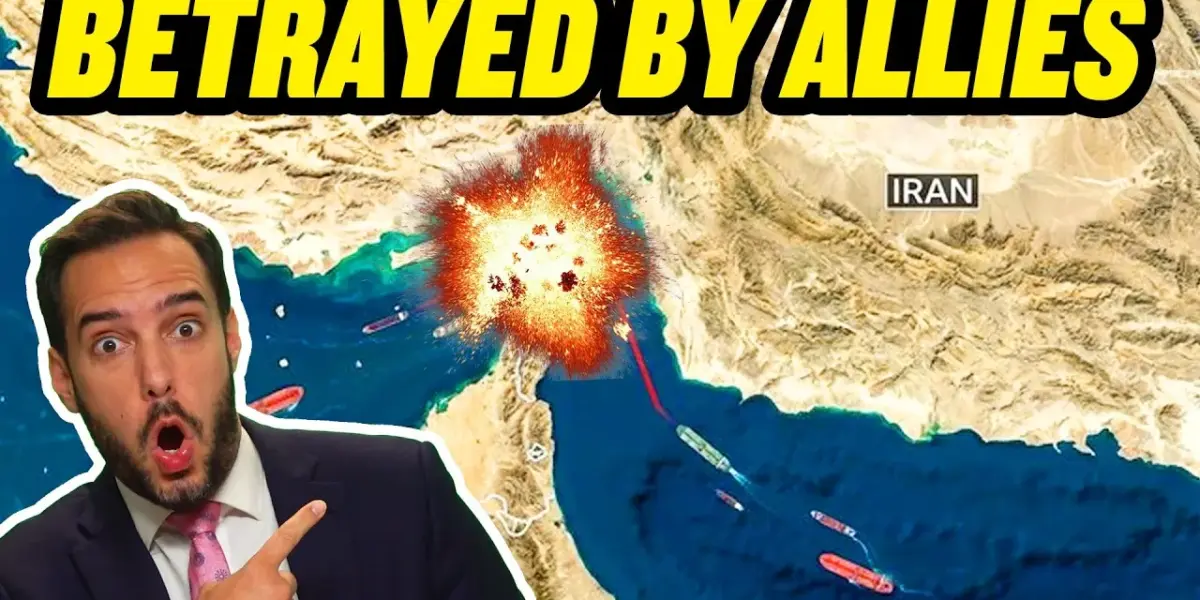
US Allies Hesitate as China Threat Grows
The world is not fully prepared for a potential conflict with China, a fact highlighted by the recent events involving Iran. The United States faces a growing challenge in rallying its allies to confront the rising power of China, particularly concerning Taiwan. Many allies seem unwilling to commit resources or take decisive action, raising serious questions about global security in the face of a major power confrontation.
China’s Ambitions and Taiwan’s Future
All signs point to the Chinese Communist Party eventually attempting to take over Taiwan. Such an action would have devastating consequences for democratic nations worldwide. The best way to prevent this war is for nations to prepare for it now. Waiting until conflict erupts would be like facing a street fight and deciding to learn martial arts only at that moment.
Past Policies and Shifting Alliances
The Trump administration took steps to prepare for a potential war with China, including a significant increase in shipbuilding. However, the U.S. cannot defend Taiwan alone. It relies on its allies, some of whom have shown questionable commitment. For example, the European Union spends more on Russian oil and gas than on aid to Ukraine.
Allied Commitments Tested
The conflict in Iran offered a glimpse into how allies might respond in a larger crisis. Iran was a major oil supplier to China and used terrorist groups to cause instability. China supplied weapons to groups like Hamas. The Strait of Hormuz, through which about 20% of the world’s oil supply passes, is crucial for global trade, especially for Asia and Europe. During a period of tension, President Trump asked U.S. allies to help secure these vital shipping lanes.
Mixed Responses to a Shared Threat
The response from many allies was hesitant. While some eventually agreed to potentially support a coalition, they did not commit to sending naval ships or other resources. France indicated it would only help after the fighting stopped, when assistance would be less critical. Even Ukraine, busy defending itself against Russia, has offered support to the U.S. Meanwhile, some of America’s closest allies were notably absent, leading President Trump to suggest the U.S. might have to act alone.
Europe’s Initiatives and China’s Economic Ties
Europe has discussed securing shipping in the Strait of Hormuz through initiatives like the European Maritime Awareness and the Strait of Hormuz Initiative. However, these efforts appear to lack substantial action when faced with real danger. The concern is that if European nations are hesitant to act against Iran, they may be even less prepared to confront a much more powerful China, which has significant military and economic influence.
Preparing for a New World War
According to experts, President Trump’s push for allies to take action is an effort to prepare them for a future where they might need to reduce reliance on Chinese supply chains. This includes securing critical resources like rare earth metals and vital shipping routes. The goal is to prevent allies from being caught unprepared for a potential World War II scenario with China. Many allies are deeply tied to China economically. Germany, for instance, has China as its largest trading partner. The United Kingdom’s navy is at its smallest size since the 1600s.
Urgent Questions for Global Security
These developments raise critical questions: What will America’s allies do if they are responsible for protecting global supply chains during a war with China? Will they be willing and able to fight? These questions must be answered now, before a crisis erupts. The urgency is clear, as the window for preparation may be closing rapidly.
Global Impact
The growing assertiveness of China, coupled with the hesitant responses from key U.S. allies, signals a significant shift in global power dynamics. The traditional alliances are being tested, and the willingness of nations to act collectively against shared threats is in question. This uncertainty could embolden potential aggressors and destabilize international trade and security. The reliance of many Western economies on Chinese manufacturing and supply chains creates a complex web of dependencies that could be exploited in a conflict scenario. The ability of the U.S. to project power and maintain stability in the Indo-Pacific region is directly linked to the strength and reliability of its alliances. If these alliances falter, the global order could face significant disruption, impacting everything from economic stability to regional security.
Historical Context
The current geopolitical climate echoes past periods of rising tensions and shifting alliances. The post-World War II era saw the formation of alliances like NATO, designed to counter Soviet influence. Today, the challenge is different, with China’s economic and military rise presenting a complex threat. The reluctance of some European nations to fully commit to security initiatives, particularly when economic ties are strong, has historical parallels. For example, during the Cold War, debates over defense spending and burden-sharing within NATO were common. The current situation suggests that the framework of international cooperation established after WWII may be insufficient to address the unique challenges posed by China’s global influence.
Economic Leverage
Economic ties are a major factor in the current geopolitical landscape. China’s position as a dominant trading partner for many nations, including key U.S. allies like Germany, creates significant leverage. Sanctions, trade dependencies, and control over critical resources like rare earth metals can be used as tools of coercion. The reliance on global shipping lanes, such as the Strait of Hormuz, also highlights economic vulnerabilities. Disruptions to these routes could have severe economic consequences, making nations hesitant to engage in actions that might jeopardize their economic stability. The challenge for the U.S. and its allies is to find ways to reduce these dependencies and build economic resilience without triggering further instability.
Future Scenarios
Several future scenarios are possible. One scenario is that U.S. allies eventually recognize the shared threat and increase their defense spending and commitment to collective security. This would strengthen the alliance and deter potential aggression. Another scenario is that the current hesitancy continues, leading to a more fragmented global security environment. In this case, the U.S. might have to bear a greater burden in countering China, potentially leading to increased regional tensions and instability. A third, more concerning scenario, involves a miscalculation or escalation that leads to direct conflict between major powers, with devastating global consequences. The likelihood of each scenario depends on the diplomatic efforts, economic policies, and strategic decisions made by all parties involved in the coming years.
Source: Not Our War? That Mindset Will Lose the Next One Against China (YouTube)

Related Articles


Iran Targets US With Cyberattacks, Escalating Digital Warfare
Iran is increasingly using cyberattacks to challenge the U.S., as seen in a recent hack of the FBI director's account. Experts say this is a strategic shift due to Iran's limitations in conventional warfare. The U.S. needs to strengthen its digital defenses, focusing on encryption and cloud computing, rather than solely relying on traditional security measures.

Ukraine Strikes Russian Oil Refinery, Eyes Iran Threat
Ukrainian forces struck a key Russian oil refinery, disrupting Moscow's war capabilities. Meanwhile, Finland's president urged continued U.S. support for Ukraine, as Kyiv shares its air defense expertise globally amid growing geopolitical complexities involving Iran and potential sanctions against Hungary.

Iran’s Missile Threat Reduced by 90%, Analyst Says
An analyst reports that Operation Epic Fury has degraded Iran's missile launchers by 90%, despite challenges in targeting hidden sites. The conflict's duration and media coverage are also discussed, with implications for global energy markets and investor confidence.