US Airman Rescued in Daring Iran Operation
U.S. forces executed one of the most daring rescue operations in history to save an airman downed in Iran. The mission combined advanced combat rescue tactics with sophisticated intelligence gathering and deception. The operation also involved destroying U.S. military equipment to prevent it from falling into enemy hands.

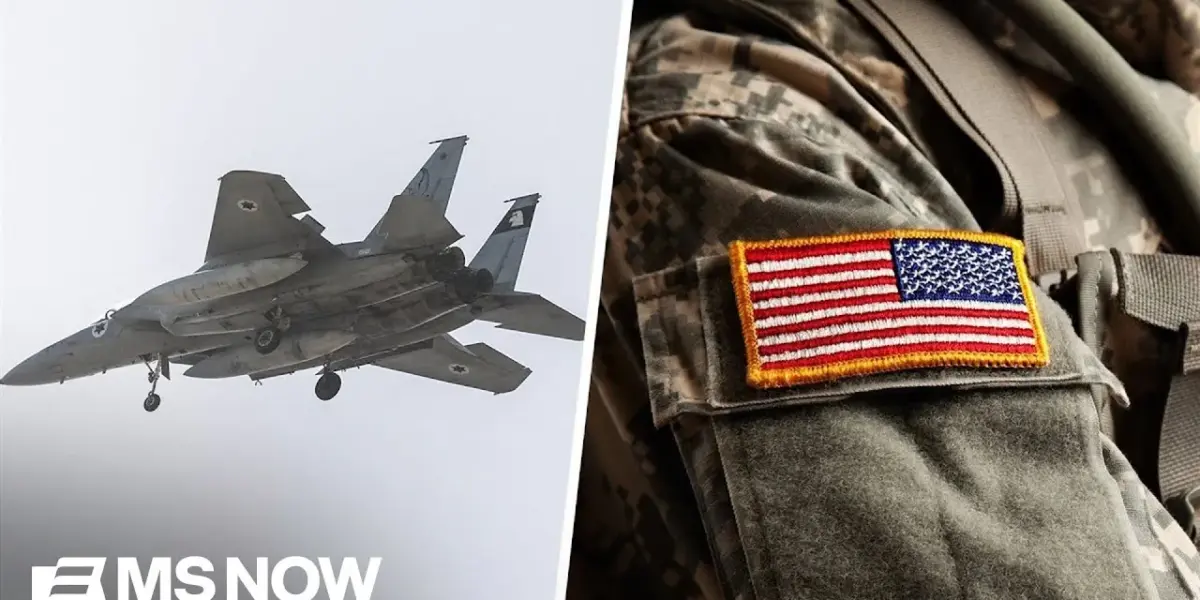
US Airman Rescued in Daring Iran Operation
In a stunning display of military and intelligence prowess, U.S. forces executed one of the most daring rescue operations in American history to save an airman downed in Iran. The mission, described by the President as extraordinary, combined advanced combat rescue tactics with sophisticated intelligence gathering and deception.
The High-Stakes Rescue Mission
Retired Air Force Major Glenn Ignazio, a former Special Operations Commander and combat rescue pilot, explained the complex process involved. When an aircraft goes down, the immediate priority is to get the pilot out as quickly as possible. This initial phase often involves Pave Hawk helicopters, Combat King aircraft, and specialized Pararescue teams.
However, the rescue of a second aviator, a colonel, proved more complicated. After initial signals confirmed the aviator was alive, a pre-planned, high-risk mission was initiated. This involved not only the standard rescue aircraft but also MC-130 Special Mission aircraft, working alongside combined forces of special operators and combat rescue teams.
Major Ignazio highlighted the extreme danger, stating, “It’s a high-risk mission to be able to get deeper in and extract that individual and save them.”
Survival Behind Enemy Lines
The downed colonel faced immense challenges, armed with only a pistol for defense. According to The New York Times, he hid in a mountain crevice, evading both American search parties and Iranian forces attempting to capture him. One senior U.S. military official noted the officer climbed a 7,000-foot ridgeline, a testament to his resilience and survival skills.
Ignazio elaborated on the pilot’s mindset: “The biggest thing is to get away from that as quickly as possible, because as much as we’re looking for them, so is the adversary.” He explained that pilots are trained to use terrain, foliage, and camouflage to hide, or “hole up,” especially when wounded. Night operations are also a key advantage for rescue efforts.
“The U.S. government will move heaven and earth to get you back.”
Intelligence and Deception Campaign
The Central Intelligence Agency (CIA) played a crucial role, as revealed by Mark Polymeropoulos, an MSNBC National Security and Intelligence Analyst and former senior CIA officer. While the colonel was being hunted, his location was monitored 24 hours a day. The CIA also orchestrated a deception campaign, spreading false information within Iran that the U.S. had already located the officer.
Polymeropoulos described this as part of a well-established system for personnel recovery within the U.S. military and intelligence community. “This is before conflicts. You know, people go over this. You are prepped for this,” he said, referring to the extensive training in evasion and escape tactics.
The intelligence community’s involvement ranged from using ground networks and recruited sources for assisted recovery to spreading disinformation. Polymeropoulos emphasized the commitment: “The U.S. government will move heaven and earth to get you back.”
Destroying Equipment to Prevent Capture
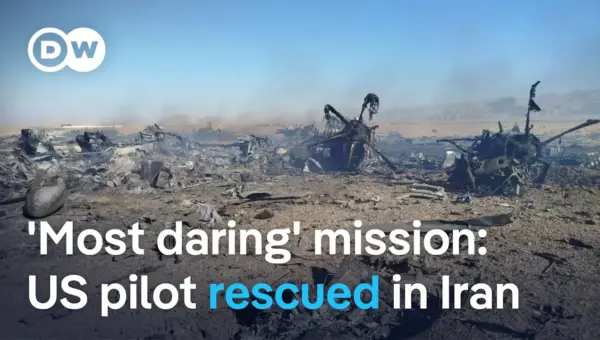
A significant aspect of the operation involved the destruction of U.S. military equipment to prevent it from falling into Iranian hands. Reports indicate that two U.S. transport planes became disabled during the operation. Rather than risk capture, three new planes were brought in, and the disabled aircraft were destroyed on the ground.
Major Ignazio confirmed this procedure as a standard contingency. “We will bomb those particular aircraft and or destroy them on the ground because we don’t want that to get to an adversary,” he explained. This action added another layer of danger but was deemed necessary to maintain operational security.
Fusion of Military and Intelligence
Both experts lauded the mission as a prime example of the seamless integration of military and intelligence capabilities. “This is one of the most significant combined operations of military and the intelligence community that I’ve seen in ages,” Major Ignazio stated.
Polymeropoulos echoed this sentiment, calling it the “fruits” of 20 years of conflict and cooperation. He noted the “fusion of intelligence and the special operations world honed from 20 years of conflict together.”
Assessing the Threat from Iran
The conversation also touched upon the broader geopolitical context, including reports of Iran’s continued missile capabilities and efforts to repair underground bunkers. Polymeropoulos acknowledged that the enemy always has a say in conflict, and while the U.S. maintains air superiority, factors like lucky shots or advanced foreign assistance (potentially from Russia or China) could pose risks.
He cautioned that such operations are never entirely pain-free and that U.S. aircraft could remain at risk. However, he stressed that the extraordinary rescue demonstrated the U.S. government’s unwavering commitment to its personnel, making the loss of even hundreds of millions of dollars worth of equipment worthwhile when a service member returns home safely.
Looking Ahead
The successful rescue highlights the advanced capabilities and unwavering dedication of U.S. military and intelligence personnel. As tensions remain in the region, the ability to conduct such complex operations underscores the importance of continuous training, preparation, and the vital synergy between different branches of government in protecting American lives.
Source: How an American airman was saved in Iran: Retired Air Force General breaks down rescue (YouTube)

Related Articles
US Airman Rescued from Iran in Daring Special Ops Mission
U.S. forces executed a daring rescue of an airman downed in Iran, marking a significant military operation. The airman survived 24 hours in harsh terrain before being recovered by elite Navy SEALs in a complex mission that involved destroying U.S. aircraft.
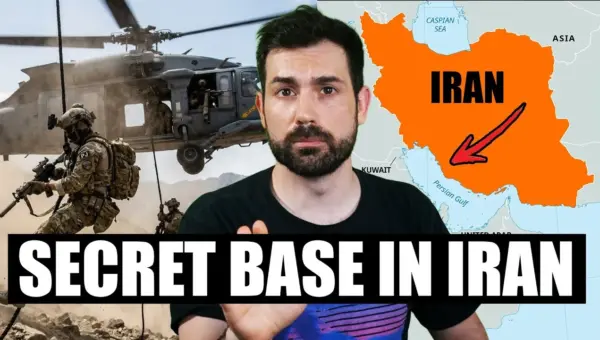
US Special Forces Pull Off Daring Rescue Deep in Iran
U.S. special forces executed a daring rescue deep inside Iran to save downed F-15 aircrew. The complex operation involved hundreds of commandos, CIA deception tactics, and a temporary forward operating base. Despite the successful rescue, the skies over Iran are becoming more dangerous as the conflict evolves.
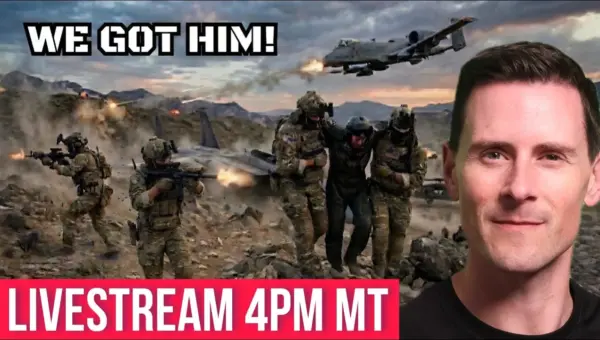
US Forces Stage Daring Iran Rescue of Downed Pilot
Elite U.S. special forces executed a daring rescue of a downed F-15E pilot deep within Iran's Zagros Mountains. The operation involved multiple branches and aircraft, facing heavy resistance. President Trump confirmed the successful recovery, marking a significant behind-enemy-lines mission.