US Airman Rescued from Iran in Daring Mission
A U.S. airman was dramatically rescued from Iran after a 36-hour ordeal, showcasing military bravery and intelligence coordination. The operation occurred while President Trump issued inflammatory threats towards Iran, drawing criticism for his timing and language.

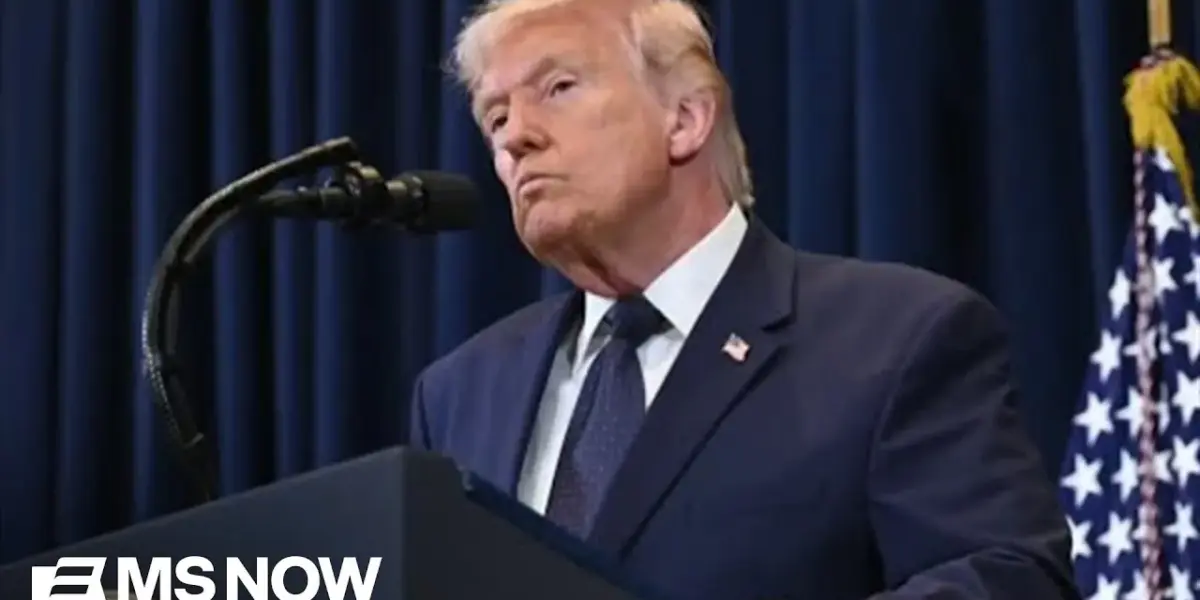
Airman Rescued in Daring Iran Mission
In a dramatic turn of events, a U.S. airman, who was missing and injured deep within Iran, has been successfully rescued. The operation, described as a heroic 36-hour mission, highlights the U.S. military’s commitment to its service members. The rescue occurred amidst heightened tensions and heated rhetoric from President Donald Trump towards Iran.
A Mission Against All Odds
The airman was reportedly injured and had to climb thousands of feet to survive before being located. This harrowing experience was followed by a complex and dangerous rescue operation. Details emerging suggest the mission involved significant risk and required precise execution by specialized military units.
Military Expertise and Sacrifice
Lieutenant General Mark Hertling, retired Commander of U.S. Army in Europe, shed light on the nature of such operations. “Combat search and rescue” (C-SAR) missions are a practiced capability for airmen flying over hostile territory. Pilots undergo extensive training in survival, evasion, resistance, and escape (SERE) to prepare them for scenarios where they might be shot down.
General Hertling explained that the U.S. military spares no expense when it comes to recovering downed pilots or prisoners of war. “You move mountains to get individuals out,” he stated, emphasizing the priority placed on bringing service members home safely, regardless of the cost in equipment.
The mission reportedly involved the destruction of significant equipment, including a C-130 aircraft and two Black Hawk helicopters. General Hertling noted that the C-130’s propellers were not bent, suggesting the aircraft was destroyed on the ground rather than crashing. This action was likely taken to prevent the valuable equipment from falling into enemy hands.
The CIA’s Crucial Role
Mark, a national security and intelligence analyst and former senior intelligence officer at the CIA, detailed the vital support provided by the intelligence community. He echoed General Hertling’s sentiment, noting the comfort service members have in knowing the U.S. government will make every effort to bring them back if captured or shot down.
The CIA played a key role in the rescue by, according to reports, spreading false information to mislead Iranian forces. This intelligence effort likely involved spoofing the airman’s location to divert attention and buy time for the military operation. The agency also may have used local assets to help identify the aviator’s exact position.
“It’s an incredible ballet together with the U.S. military, born after 20 years of doing this, of rehearsing it, sometimes practicing it,” Mark described the seamless cooperation between the military and intelligence agencies. This coordinated effort is a testament to years of joint operations and training.
Presidential Rhetoric Contrasted with Rescue
The successful rescue mission took place on Easter morning, a time typically associated with peace and reflection. However, President Trump marked the occasion with aggressive and profane tweets directed at Iran. He threatened to target Iran’s power plants and bridges, language that critics called unhinged and disrespectful, especially given the holiday.
Critics pointed out the stark contrast between the profound relief and celebration surrounding the airman’s rescue and the President’s inflammatory statements. Instead of focusing on the bravery of the service members involved and the successful recovery, the national conversation was dominated by Trump’s threats.
“Donald Trump can’t even take the win here,” one commentator observed. “Instead of talking about that, instead of talking about saving our brave service member… we’re talking about this crass, gross, and… disrespectful tweet.” The President’s actions were seen as undermining a moment of national pride and unity.
Escalatory Language and Potential Consequences
President Trump’s rhetoric towards Iran has been consistently escalatory in recent days. He told ABC News that the conflict should be over in days, but warned that “very little” was off the table if a deal was not reached. In comments to Axios, he stated that if Iran didn’t make a deal, he was “blowing up everything over there.” He also did not rule out the use of ground troops.
These statements come shortly after threats to bomb Iran’s power plants, which have raised concerns about potential war crimes. The President’s online activity has been described as a “premeditated plan to commit” actions that could have severe international consequences.
Assessing Iranian Air Defenses
Regarding the capacity of Iranian forces, General Hertling noted that while Iran possesses advanced air defense systems like the S-300 and S-400, and shoulder-fired missile systems, they still face challenges.
“You still have small arms fire against helicopters,” he said, suggesting that this type of fire likely impacted some of the special operations aircraft involved in the rescue. He cautioned against assuming that all Iranian air defense capabilities had been destroyed, as enemy forces often hide their assets.
Looking Ahead
The successful rescue of the airman is a significant achievement for the U.S. military and intelligence communities. As the nation breathes a sigh of relief, the focus will likely remain on the ongoing tensions with Iran and the President’s volatile rhetoric. The contrast between the bravery displayed in the rescue mission and the President’s aggressive pronouncements highlights a critical divide in national discourse. Future developments will be closely watched, particularly concerning diplomatic efforts and any potential military actions against Iran.
Source: ‘Move mountains’: Lt. General on airman rescue mission (YouTube)

Related Articles


Trump Fires Aide Amid Epstein Docs Scandal, Loyalty Tested
Donald Trump's firing of Pam Bondi, linked to the disastrous handling of Jeffrey Epstein documents, raises questions about loyalty versus performance. This move signals Trump's intolerance for perceived failure, even among loyalists. The situation highlights broader concerns about accountability and political influence.

Trump’s Actions Demand 25th Amendment, Experts Argue
Experts and commentators are increasingly discussing the use of the 25th Amendment to remove President Trump, citing concerns over alleged corruption and reckless foreign policy decisions. The discussion highlights the strategic importance of the Strait of Hormuz and the potential for personal enrichment through presidential actions. Critics argue that Trump's presidency has worsened global instability and call for greater accountability.

Trump’s White House Ballroom Project Faces Legal Halt
A controversial White House ballroom project initiated by former President Donald Trump has been halted by a federal judge. The ruling cited the need for congressional approval for such extensive construction on federal property. The project has faced criticism for its design, escalating costs, and the revelation of a large underground complex.