US Aircraft Crashes in Iraq, Killing Four Crew Members
A US refueling aircraft crashed in Iraq, killing four crew members, with no hostile fire involved. The incident occurs as Israel reports striking over 200 targets in Iran, and the US claims to be 'totally destroying' the Iranian regime.

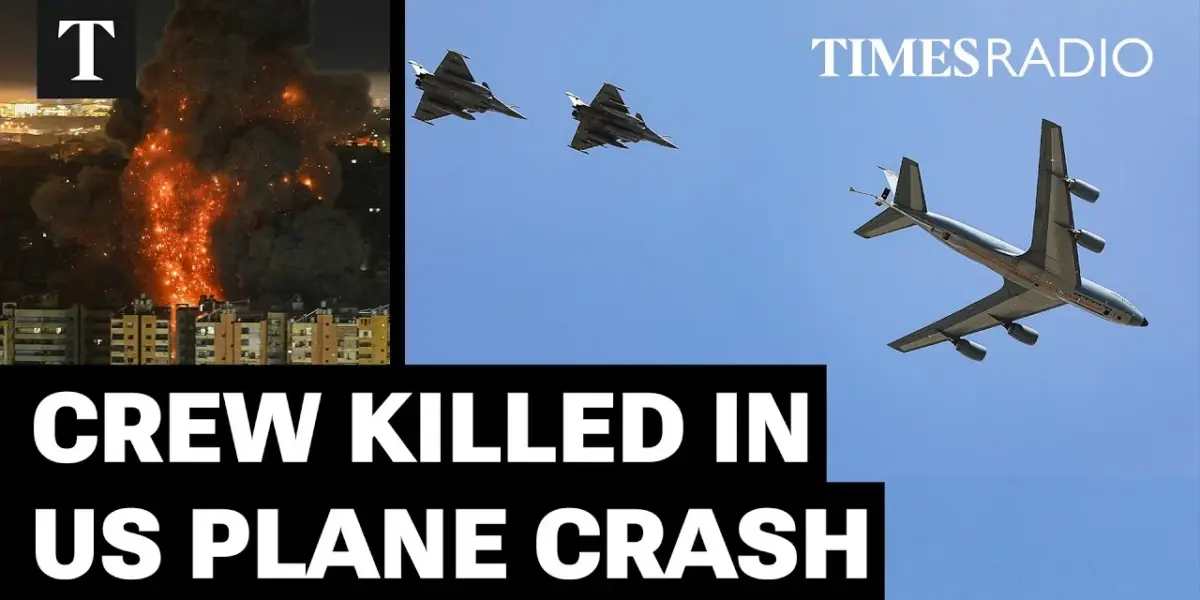
US Refueling Aircraft Crashes in Iraq, Four Crew Members Dead
A US Air Force refueling aircraft crashed in Iraq, resulting in the deaths of four of the six crew members on board. The US Central Command confirmed the incident, stating that rescue efforts are ongoing. Crucially, the command also clarified that neither hostile nor friendly fire was involved in the crash, suggesting a potential mechanical failure or other unforeseen circumstances. The incident occurs amidst escalating tensions and ongoing military operations in the region.
Israel Strikes Over 200 Targets in Iran Amidst Intensified Conflict
In parallel to the aircraft crash, Israel has reported striking more than 200 targets within Iran in the past day. This significant escalation in Israeli military action underscores the widespread nature of the current conflict. The intensity of these strikes raises questions about the operational capacity and strategic objectives of the involved parties.
Trump Claims ‘Total Destruction’ of Iranian Regime
Amidst the unfolding military events, US President Donald Trump has asserted that the United States is “totally destroying the Iranian regime.” This strong rhetoric from the President highlights the US administration’s declared stance and aims in the ongoing confrontation with Iran. The effectiveness and long-term implications of these actions remain a subject of intense scrutiny.
Military Analyst Assesses Conflict Dynamics and Risks
Simon Diggins, a military analyst and former UK defense attaché in Baghdad, provided insights into the potential causes of the US aircraft crash and the broader implications for the conflict. “By the sign of it, it could well be an aircraft fault or something like that,” Diggins commented, adding that details would likely emerge after the recovery of the black box recorder. He cautioned that regardless of the cause, “it’s another example of how this conflict could spiral out of control.”
Risk of Escalation and Casualty Tolerance
Diggins noted that while the US has incurred relatively low troop casualties thus far, further losses could impact public support for the war. “Any death is to be regretted, but the numbers against what they’ve been able to do to the Iranians are relatively small,” he stated. “If you embark on any kind of military operation, you accept there’s going to be risk and you’re going to accept there’s going to be casualties.” The tolerance for such casualties, both militarily and among the American public, remains a critical question.
Challenges in Sustaining Offensive Operations
Regarding the sustained intensity of operations, Diggins suggested that both Israel and the US may have planned for a campaign of approximately four to six weeks. “They seem to have planned on something like four to six weeks,” he observed. While acknowledging significant destruction achieved in the early stages, he pointed out the increasing difficulty in targeting “very small scale targets” and addressing security within Iran itself. “The real issue now is the security within Iran itself and that’s very much what you might call retail,” Diggins explained, referring to the challenges of using air power against dispersed internal security forces and undercover operatives.
Asymmetric Warfare and Iran’s Counter-Strategies
The analyst also touched upon the concept of asymmetric warfare, where conventional military superiority may not translate into a decisive victory. “You can’t conduct regime change from the air,” Diggins reiterated, referencing a common early war assertion. He highlighted Iran’s potential to continue playing disruptive roles through tactics such as indiscriminate rocket fire and threats to shipping, even if its conventional military capabilities are degraded. The inability of ships to secure insurance further impedes maritime trade, demonstrating Iran’s capacity to exert influence despite facing significant military pressure.
Decentralized Command and Public Uprising Hopes
Diggins elaborated on Iran’s apparent preparation for conflict, noting the delegation of authority to local IRGC commanders, which could explain “wildfiring” incidents. He also discussed the diminished hope for a widespread internal uprising against the regime, particularly after previous suppressions. “I think there was always a hope that somehow this kind of carapace of defense and also the offensive weapons that Iran had could be broken… so that the people of Iran… would rise up again. How realistic that was… is again a questionable point.”
Gulf States’ Concerns Over Potential US Ceasefire
The potential for President Trump to unilaterally declare a ceasefire was identified as a significant concern, particularly for Gulf states like Saudi Arabia. These nations, though irritated by Iran’s actions, fear being left to deal with a “very badly wounded, but nonetheless kind of revengeful” Iran if the US withdraws prematurely. The prospect of internal political objectives influencing such a decision adds another layer of complexity to the regional security landscape.
US Secretary of War’s Assertive Stance
US Secretary of War Pete Hesketh offered a notably bullish assessment of the military campaign, stating, “The United States is decimating the radical Iranian regime’s military in a way the world has never seen before.” He emphasized the rapid destruction of Iran’s military capabilities, declaring, “Never before has a modern, capable military… been so quickly destroyed and made combat ineffective, devastated.” Hesketh attributed this success to the “combination of the world’s two most powerful air forces,” deeming it “unprecedented and unbeatable.”
Looking Ahead: Uncertainty and Regional Stability
As the conflict continues, the focus remains on the long-term objectives of the involved parties, the sustainability of military operations, and the potential for unforeseen escalations. The crash of the US aircraft, while not attributed to hostile fire, serves as a stark reminder of the inherent risks in such a volatile environment. The concerns of regional allies regarding potential shifts in US policy and the ultimate fate of the Iranian regime will undoubtedly shape the unfolding geopolitical landscape in the Middle East.
Source: Iran War: No Hostile Or Friendly Fire Involved In US Aircraft Crash Killing Crew (YouTube)

Related Articles


Trump’s War Talk Distracts as World Burns
As global conflicts escalate and economic pressures mount, Donald Trump's focus on past grievances and symbolic wins overshadows pressing issues. His rhetoric, including questionable claims about ending wars and strategic use of terminology to bypass Congress, raises concerns about leadership and national priorities.


Middle East Conflict Fuels Global Market Plunge
A month-long conflict in the Middle East has sent global stock markets tumbling and gas prices soaring. The disruption of oil supplies, particularly through the Strait of Hormuz, is impacting economies worldwide, with airlines and consumers feeling the immediate effects. Experts warn that prices may continue to rise, exacerbating pre-existing economic weaknesses.

Iran-Backed Houthis Attack Israel; US Troops Injured
Iranian-backed Houthi rebels have claimed responsibility for a missile launch targeting Israel, which was intercepted by Israeli forces. This escalation follows an Israeli strike on Iranian nuclear facilities and a prior Iranian retaliatory attack that injured U.S. troops. Experts suggest Iran's actions aim to project strength despite internal weaknesses and economic hardship for its population.