US Air Power Strikes Iran, Warns on Strait of Hormuz
The U.S. military has conducted air strikes on Kharg Island, Iran, targeting military assets. This action follows President Trump's ultimatum for Iran to reopen the Strait of Hormuz. The U.S. warns of further infrastructure action if Iran fails to comply.

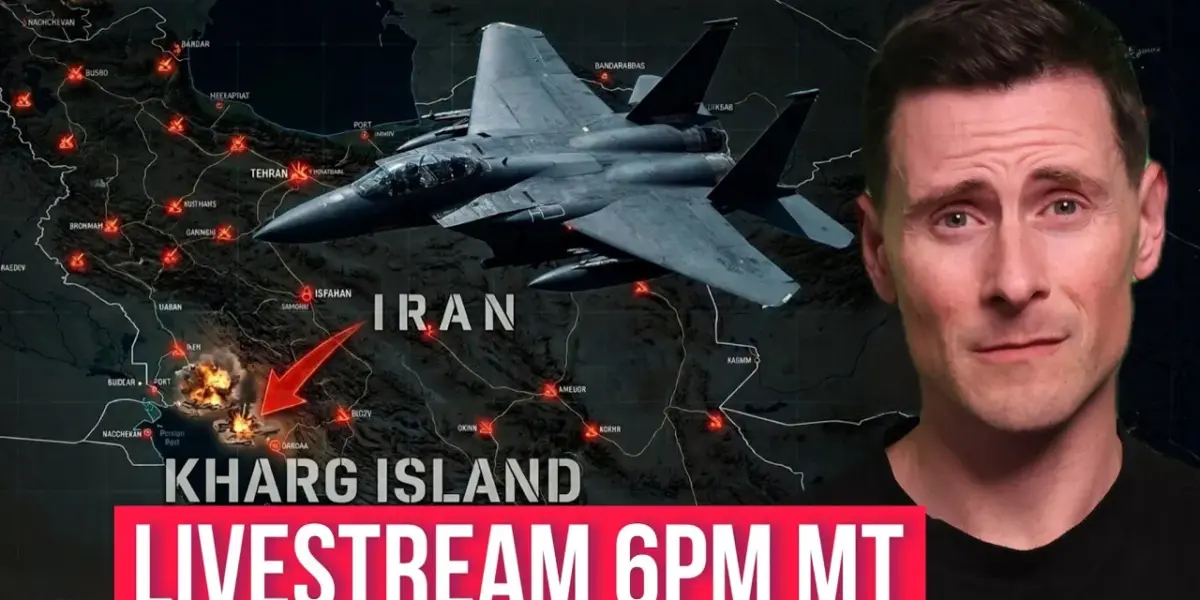
US Air Power Strikes Iran, Warns on Strait of Hormuz
The United States military has launched air strikes against military targets on Kharg Island in Iran. This action comes as President Trump issued a firm deadline. Iran must reopen the vital Strait of Hormuz shipping lane. If Iran fails to comply, the U.S. warns of major action against its infrastructure. This development signals a significant escalation in regional tensions. It highlights the U.S. commitment to global maritime security.
Kharg Island Targets Hit
Sources indicate that American airpower was the primary force behind the strikes. The operation involved F-15E Strike Eagles. These are advanced fighter jets capable of precision bombing. They were supported by B-1B and B-52 bombers. These heavy bombers can carry significant payloads over long distances. The targets on Kharg Island are believed to be military in nature. Kharg Island is a critical oil terminal for Iran. It is also a key base for its naval forces. Disrupting military capabilities there could degrade Iran’s ability to control the strait.
Strait of Hormuz Importance
The Strait of Hormuz is one of the world’s most important waterways. It is a narrow channel between the Persian Gulf and the Gulf of Oman. Roughly one-fifth of the world’s oil passes through this strait daily. Iran has previously threatened to close the strait. This would severely disrupt global oil supplies and international trade. The U.S. actions aim to prevent such a disruption. They also seek to deter further Iranian aggression. The U.S. military is postured to protect global shipping lanes. This includes degrading the capabilities of Iran’s Islamic Revolutionary Guard Corps (IRGC).
Strategic Implications
The strikes on Kharg Island and the public warning carry significant strategic weight. They demonstrate the U.S. willingness to use military force to maintain freedom of navigation. For Iran, these actions represent a direct challenge. They could compel Iran to reconsider its posture regarding the Strait of Hormuz. The deployment of B-1B and B-52 bombers suggests a readiness for sustained operations. These aircraft can project power deep into enemy territory. The F-15E Strike Eagles provide a versatile platform for both air-to-air and air-to-ground missions. This combined airpower package can conduct a wide range of missions.
This situation recalls past periods of heightened tension in the Persian Gulf. The U.S. has historically intervened to ensure the free flow of oil. These actions are often complex. They carry the risk of unintended escalation. The military’s ability to project power rapidly is crucial. It relies on well-established logistical chains and air superiority. The use of advanced aircraft like the F-15E shows a focus on precision. This aims to minimize collateral damage while maximizing effectiveness against military targets.
Broader Geopolitical Impact
The events surrounding the Strait of Hormuz have wider geopolitical consequences. Global energy markets are highly sensitive to instability in the region. Any threat to oil supplies can lead to price spikes. This impacts economies worldwide. Allies in the region also closely watch these developments. They rely on the U.S. for security guarantees. The actions taken by the U.S. could influence diplomatic efforts. It may also affect regional alliances and security partnerships. The international community often calls for de-escalation. However, maintaining freedom of navigation remains a key priority for major global powers.
The U.S. military’s readiness and capability are on full display. The ability to conduct strikes on key Iranian locations while issuing clear ultimatums shows a determined approach. This strategy aims to achieve specific objectives without necessarily seeking a wider conflict. However, the potential for miscalculation remains a constant concern in such volatile environments. The coming days will be critical in observing Iran’s response and the broader international reaction.
Source: You Won't Believe What the U.S. Military Just Did In Iran LIVESTREAM (YouTube)

Related Articles

Trump’s Iran Ultimatum: Civilization on the Brink?
President Trump issued a dire warning to Iran with a Tuesday deadline for a deal, fearing "a whole civilization will die." U.S. strikes on Kharg Island occurred, but officials state U.S. strategy remains unchanged. This escalation highlights ongoing tensions and their global implications.
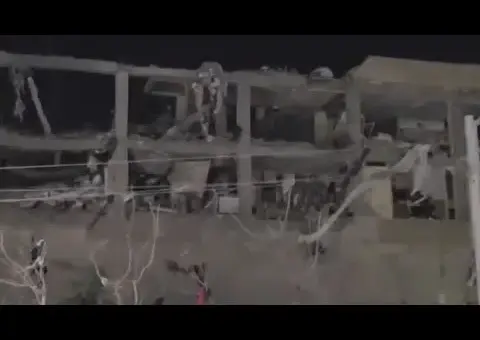
Iran and US Trade Blows as Tensions Spike
The U.S. and Iran are engaged in a dangerous exchange of strikes, with a critical deadline set by President Trump looming over the Strait of Hormuz. Both nations, along with Israel, are escalating military actions, while diplomatic channels remain open but strained.
Trump’s Iran Threats Spark War Crimes Fears
Former President Donald Trump's extreme threats against Iran have led to a communication blackout and fears of war crimes. Iran has warned of severe regional retaliation if attacked, while international figures call for Trump's removal from office.