US Aims to Cripple Iran’s Power Grid to Secure Strait of Hormuz
A new US strategy reportedly targets Iran's power grid, including major plants like Damavand, to force open the Strait of Hormuz. The plan involves multi-stage air attacks using advanced bombers and precision munitions to cripple energy infrastructure and cause cascading failures.

US Aims to Cripple Iran’s Power Grid to Secure Strait of Hormuz
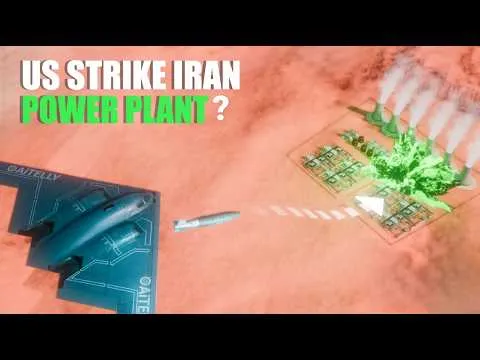
The United States is reportedly exploring a drastic strategy to force Iran to keep the vital Strait of Hormuz open. This plan involves a targeted, large-scale attack on Iran’s power grid, aiming to cripple the nation’s energy infrastructure within a short timeframe.
Targeting Iran’s Energy Backbone
The core of this proposed strategy focuses on disabling key power generation facilities across Iran. The primary target is the Damavand power plant, located near Tehran. This facility is described as the crown jewel of Iran’s electrical system, generating a massive 2,900 megawatts (MW). Taking it offline would likely cause widespread, rolling blackouts throughout the country.
Another significant target is the Shahid Soleymaniyeh plant in Mazandaran province, situated on the Caspian Sea coast. This thermal plant contributes over 2,200 MW to the national grid. Additionally, the Shahid Rajai plant in Qazvin province, which produces more than 2,000 MW, is also on the list. Disrupting these facilities would severely impact northern Iran’s industrial sector.
Potential Collateral Risks
While the plan targets specific power plants, the transcript acknowledges other large energy assets that come with significant risks. Hydroelectric dams, such as those in Khuzestan province, generate substantial power. However, striking them could lead to catastrophic civilian flooding. The Bushehr nuclear power plant is also mentioned, but attacking it carries the extreme danger of nuclear fallout and would likely result in severe international backlash.
A Multi-Stage Military Operation
The proposed strike is envisioned in three distinct stages, designed to systematically neutralize Iran’s defenses and infrastructure.
- Stage One: Blinding the Defenses
This initial phase begins before any US aircraft enter Iranian airspace. Tomahawk cruise missiles would be launched from the Arabian Sea, flying low to disable Iran’s early warning radar systems. Simultaneously, F-35 stealth fighters would infiltrate contested airspace. Using advanced sensors, they would identify and map Iran’s air defense batteries, including the S-300 and Bavar 373 systems. From a safe distance, they would launch anti-radiation missiles to destroy these radar systems, effectively clearing a path for subsequent attacks.
- Stage Two: Penetration and Destruction
With the air defenses suppressed, heavy stealth bombers like the B-2 Spirit would approach Iranian airspace. These aircraft would not carry nuclear weapons but would be equipped with specialized payloads for industrial destruction. Using systems like the JDAM (Joint Direct Attack Munition), they could unleash dozens of precision-guided bombs in rapid succession, targeting critical components of the power plants. The objective is not to level entire facilities but to cause catastrophic mechanical failures to essential equipment, such as generator shafts and transformers.
- Stage Three: Cascading Failure
The final stage focuses on the widespread impact of disabling the primary power sources. The sudden, massive loss of power would trigger automated safety systems across Iran’s entire electrical network. This cascading failure would plunge major cities, industrial bases, and even military command centers into darkness. The B-1B Lancer bombers are specifically mentioned for reaching targets in northern Iran, like the Neka plant, with rapid-fire JDAM strikes. The B-52 Stratofortress, described as a flying arsenal, would deliver sustained precision bombing runs on facilities like the Shahid Rajai plant, targeting cooling towers and boiler houses.
Advanced Aircraft and Tactics
The operation would rely on a combination of advanced US Air Force assets. The B-2 Spirit’s stealth capabilities would be crucial for initial strikes against air defenses. The B-1B Lancer, known for its speed and heavy payload, would be used for swift, low-altitude attacks. The B-52 Stratofortress, despite its age, serves as a long-range bomber capable of launching numerous precision-guided munitions from a distance, well outside the range of many air defenses.
The plan also includes specialized munitions for targeting hardened underground facilities, such as suspected nuclear enrichment sites. These deep-penetration bunker busters are designed to slice through rock and detonate underground, collapsing these fortified networks and setting back nuclear programs.
Air Superiority and Ongoing Pressure
By the end of the fourth week, the US aims to achieve full air superiority. The bombing campaign would cease, replaced by aggressive aerial patrols by F-22 Raptors and F-15s. These aircraft, supported by aerial refueling tankers and intelligence from satellites and command planes, would hunt down any exposed targets, particularly missile launchers hidden in underground facilities. MQ-9 Reaper drones would provide continuous surveillance, ready to intercept any ballistic missile launches with Hellfire missiles.
Why This Matters
This proposed strategy highlights the escalating tensions surrounding the Strait of Hormuz, a critical chokepoint for global oil supplies. The reliance on disabling a nation’s power grid as a primary offensive tactic signals a shift towards targeting critical civilian infrastructure to achieve military and political objectives. It raises profound questions about the proportionality of such actions, the potential for unintended consequences, and the broader implications for regional stability and international law. The sheer scale and complexity of the operation, as described, underscore the advanced capabilities of modern air forces but also the immense risks involved in such a conflict.
Historical Context and Future Outlook
The Strait of Hormuz has long been a focal point of geopolitical maneuvering. For decades, Iran has threatened to close the strait in response to external pressure, particularly concerning its nuclear program and regional influence. Previous US strategies have often focused on naval presence and sanctions. This new approach, if pursued, represents a significant escalation, moving beyond traditional naval blockades to a direct, large-scale assault on Iran’s fundamental infrastructure.
The reliance on a multi-pronged air attack, utilizing a mix of stealth and heavy bombers, reflects advancements in military technology. The emphasis on precision-guided munitions and disabling electronic warfare suggests an effort to minimize friendly casualties and collateral damage compared to older bombing campaigns. However, the sheer number of targets and the potential for cascading effects mean that the actual outcome could be far more destructive than intended. The future outlook for this region remains tense, with such aggressive strategies potentially leading to wider conflict or, conversely, forcing a diplomatic resolution through extreme pressure.
Source: US to Iran: Open the Strait or Lose Power in 5 Days Explained (YouTube)

Related Articles

Iran’s Cluster Bombs: A Calculated Gamble to Overwhelm Defenses
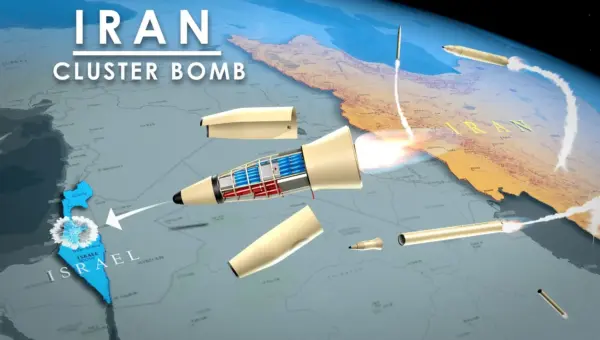
Iran's use of cluster bombs against Israel was a deliberate tactic to overwhelm advanced missile defenses. These weapons scatter numerous smaller explosives, making interception difficult. While tactically advantageous, they raise serious humanitarian concerns due to their indiscriminate nature and unexploded ordnance.
Marines’ Hovercraft: Iran Invasion’s Secret Weapon
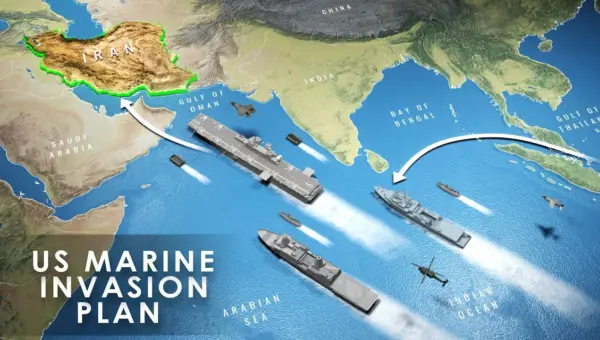
Big aircraft carriers can't handle Iran's coastal defenses. U.S. Marines use specialized amphibious ships and hovercraft to clear the Strait of Hormuz. These vessels bring troops and heavy equipment ashore, securing territory and creating safe zones.

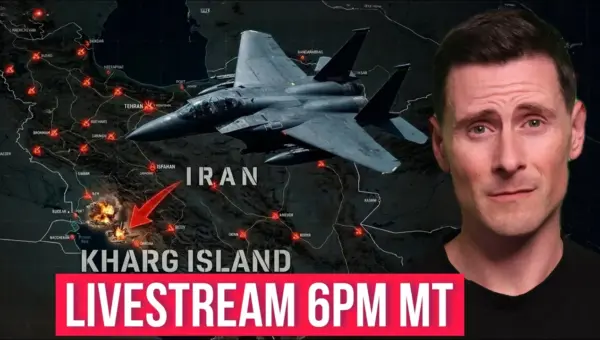
US Air Power Strikes Iran, Warns on Strait of Hormuz
The U.S. military has conducted air strikes on Kharg Island, Iran, targeting military assets. This action follows President Trump's ultimatum for Iran to reopen the Strait of Hormuz. The U.S. warns of further infrastructure action if Iran fails to comply.