US Actions Disrupt Global Supply Chains, Push Allies to China
US-led actions in Iran have triggered a global oil supply crisis, devastating the Philippines and straining relations with allies like Japan and South Korea. This disruption is pushing nations towards China and signaling a potential decline in US dollar dominance, with significant economic consequences for the global order.


US Actions Spark Global Supply Chain Crisis, Alienate Allies
Recent actions by the United States, particularly its military operations in Iran, have triggered a severe disruption in global oil supply chains. This has led to a national state of emergency in the Philippines and is causing significant economic hardship for key US allies like Japan and South Korea. The fallout suggests a major shift in global power dynamics, potentially pushing nations toward alternatives like China.
Philippines Faces Collapse Amidst Oil Embargo
The Philippines, a nation that imports 98% of its oil, has declared a national state of emergency. This drastic measure comes as its oil supply has been effectively cut off, with no clear timeline for restoration. The country is tapping into its strategic reserves, which are estimated to last only about 45 days. Restrictions are already in place, impacting daily life. For the average Filipino, this is not just an inconvenience; it’s a fight for survival. The government has resorted to reactivating old coal-fired power plants to keep essential services like hospitals running.
Deepening Inequality Exacerbated
The Philippines is marked by significant wealth disparity. While areas like Bonifacio Global City (BGC) show modern development, just blocks away, life is vastly different. The current crisis hits a highly educated and hardworking population that has felt economically constrained. The disruption has effectively cut off fuel for transportation like jeeps and tricycles, and it threatens the power grid, making daily life incredibly difficult.
US Policy Pushes Philippines Towards China
The United States has long sought to draw allies away from China’s influence. However, the current crisis appears to be pushing the Philippines directly into China’s orbit. China has made substantial investments in the Philippines and is now seen as the only stable alternative for securing much-needed fuel. This situation is a direct consequence of what the transcript calls a disregard for diplomacy in launching the offensive in Iran, which has created real hardship for people already struggling.
Expat Haven Threatened by Global Instability
For a decade, the Philippines has been a popular destination for American retirees seeking an affordable and dignified life away from rising costs in the US. It was considered an ‘expat haven,’ offering a place for people to escape the United States. However, the current instability, stemming from US foreign policy, has jeopardized this. The notion of escaping the ‘American empire’ is challenged, as its economic and political reach can still impact personal lives abroad, even affecting those seeking a quieter retirement.
Allies Face Economic Fallout, Shift Currency
The impact of the supply chain disruption extends beyond the Philippines. Japan, a major holder of US debt ($1.5 trillion), is now reportedly buying oil in yuan. This signals a potential shift away from the US dollar as the primary currency for international trade. South Korea, a global industrial powerhouse, is also experiencing severe economic strain. The country, heavily reliant on energy imports, has implemented strict restrictions, including a five-day vehicle rotation based on license plate numbers. This severely limits mobility for its citizens.
Semiconductor Production Crippled
South Korea is a critical producer, responsible for 18% of the world’s semiconductors. Manufacturing these chips requires vast amounts of liquefied natural gas (LNG) for cooling. However, both LNG and other essential resources are now caught behind a US military blockade. Consequently, petrochemical plants in Asia are reducing their operations by about 50%. While large corporations may receive bailouts, the impact on factory workers, whose hours could be cut due to reduced production, is significant. Many are already rationing heating oil.
US Economy Faces Indirect Impact
The disruption to allied economies will eventually affect the United States. A 50% reduction in South Korea’s semiconductor output will likely lead to parts shortages in American factories, particularly in the auto and tech sectors. This could result in layoffs for American workers who depend on these supply chains. The current situation is described as dismantling the infrastructure of allies the US relies on, ultimately impacting the American lifestyle and employment.
Fertilizer Shortage Threatens Global Food Security
The crisis also extends to the agricultural sector. Approximately 30% of the world’s ammonia-based nitrogen fertilizer is currently trapped in the Gulf region. This shortage is causing fertilizer prices to skyrocket, with urea prices exceeding $600 per metric ton in the US Midwest just as farmers are preparing for spring planting. An energy shock is directly leading to a fertilizer shock, which, in turn, is mathematically certain to cause a food crisis.
Military-Industrial Complex Profits from Crisis
While ordinary citizens and workers face severe hardship—tricycle drivers in Manila begging for aid, South Korean factory workers unable to drive to work, and American farmers facing bankruptcy—the military-industrial complex stands to benefit. Companies like Raytheon and Lockheed Martin, along with Wall Street, are expected to see increased profits through secured contracts driven by global instability and future conflicts. This suggests a system where war and crisis are financially advantageous for a select few.
Dollar’s Dominance Wanes, Allies Seek Alternatives
The US government’s ability to print money, while preventing outright insolvency, fuels inflation and worsens the global cost of living crisis. The transcript suggests that the current geopolitical landscape is being fundamentally reshaped, with the US no longer holding a dominant position. Allies are increasingly moving away from the US dollar, seeking more stable alternatives. The elite within the US may be profiting from these changes, while the working class bears the brunt of the economic fallout and potential future conflicts.
Preparing for Economic Uncertainty
For individuals concerned about these trends, the advice is to prepare by diversifying assets, perhaps into precious metals, or by starting businesses and stocking up on essential supplies. The economic math is no longer favorable to the United States or its working class. The situation demands a broader perspective beyond mainstream media narratives, recognizing the fundamental restructuring of the global economic and political order.
Global Impact
This series of events represents a significant geopolitical realignment. The disruption of oil supplies, the potential decline of the US dollar’s global dominance, and the economic strain on key US allies could usher in a new era of international relations. Nations are being forced to re-evaluate their dependencies, and China’s growing influence presents a clear alternative for many. The interconnected nature of the global economy means that these disruptions will have far-reaching consequences, affecting everything from food security to employment worldwide. The reliance on military solutions over diplomatic ones has created a complex web of economic and political instability that will likely reshape alliances and trade routes for years to come.
Source: The Philippines Collapse: America Just Destroyed the Ultimate Expat Haven (YouTube)

Related Articles
Pentagon Weighs 10,000 Troops for Iran Showdown
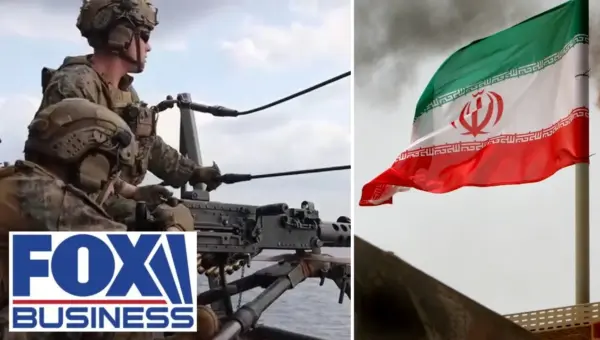
The Pentagon is reportedly weighing a significant troop increase of 10,000 soldiers to the Middle East, potentially escalating tensions with Iran. This move comes amid reports of U.S. precision strikes and interceptions of Iranian missiles by allies, raising concerns about regional stability and global oil supplies.
Iran Conflict Sparks Market Volatility, Experts Weigh In
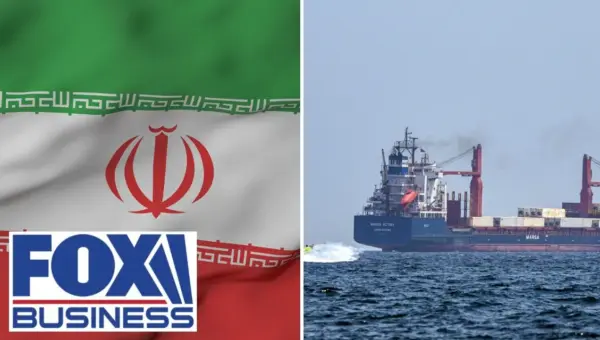
Geopolitical tensions in the Middle East have rattled global markets, with stocks falling and safe-haven assets like the U.S. dollar strengthening. Experts suggest the market may have overreacted, creating potential buying opportunities, but warn of a "bumpy journey" ahead due to infrastructure damage and potential oil shortages. Concerns also linger about the Federal Reserve's independence amidst political commentary.

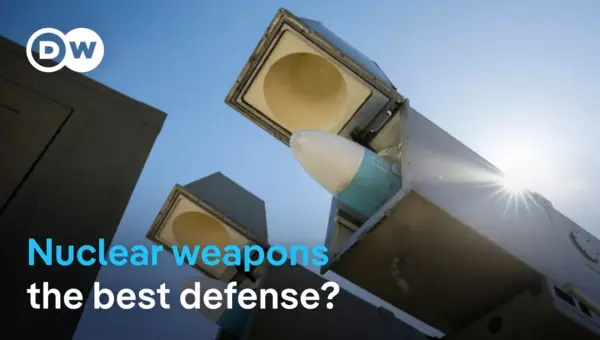
Iran War Sparks Nuclear Fears: Is a Global Arms Race Brewing?
The conflict in Iran has heightened global fears of nuclear proliferation and a potential arms race. Experts warn that Iran may pursue nuclear weapons if its current deterrence fails, while historical examples show the dangers of unchecked nuclear ambitions. The world faces uncertain scenarios, ranging from renewed diplomatic efforts to a dangerous escalation of nuclear threats.