US Abandons Strait of Hormuz Security Role
The U.S. signals a withdrawal from securing the Strait of Hormuz, prioritizing domestic interests and corporate profits over global stability. This shift creates an energy crisis, impacts working families, and raises concerns about regional conflict and uncontrolled nuclear material.

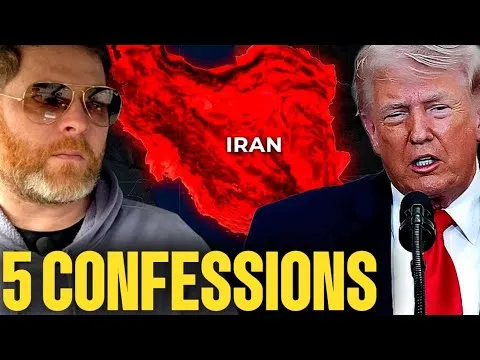
US Abandons Strait of Hormuz Security Role
The United States has signaled a major shift in its global security role, particularly concerning the vital Strait of Hormuz. In a recent address, President Trump suggested that nations relying on oil from the region should take on the responsibility of securing its transit themselves. This move effectively signals an abdication of the traditional U.S. security umbrella that has protected this critical energy artery for years.
A False Picture of Security
The president’s remarks painted a picture of the Strait of Hormuz as a contested area where ships have been harassed for a long time. However, this narrative is seen as a distortion of reality. For years, the U.S. has played a key role in ensuring the safe passage of oil tankers through this narrow waterway. Now, by stepping back, the U.S. appears to be telling allies and trading partners, “Good luck, you’re on your own.” This sudden withdrawal destabilizes a region crucial for global energy supplies.
Economic Toll on Americans
This shift in foreign policy comes at a significant domestic cost. The military operations mentioned have already cost an estimated $25 billion, with a request for another $200 billion expected to cover needs for just a few more weeks. When questioned about how this impacts everyday Americans, particularly funding for essential services like daycare, Medicare, and Medicaid, the president’s response suggested these programs are less important than ongoing wars. This implies that personal ambitions and the administration’s historical legacy take precedence over the well-being of the working class. The defense industry, however, continues to receive massive contracts, highlighting a prioritization of corporate profits over social safety nets.
The Impact on Working Families
For single parents relying on government-funded daycare to work, this means increased hardship. They may struggle to cover basic needs like groceries, facing high interest rates on credit cards, while defense contractors like Raytheon receive billions. This is presented as a stark contrast to the idea of freedom, suggesting that corporate interests are being served at the expense of ordinary citizens.
Oil Profiteering Amidst Global Crisis
While American families and the global population face soaring gas prices and supply chain disruptions, leading to higher costs for everyday goods and shortages on store shelves, the administration is promoting U.S. oil. The shutdown of Middle Eastern oil markets creates an opportunity for American oil companies to increase production and profit. Prices could surge well beyond $100 a barrel, potentially reaching $200. This situation is a crisis for countries dependent on Middle Eastern oil but a boom time for U.S. energy giants.
Blame and unpreparedness
Critics argue that it’s unfair to blame nations for not being prepared for such a sudden disruption, especially when it occurs without prior negotiation with allies. The idea that countries could have foreseen the U.S. withdrawal and prepared accordingly is questioned. The consequences of this breakdown in the energy supply chain could last for months, potentially years, if infrastructure in the Middle East is further damaged. The pivot from acknowledging a short-term crisis to urging the purchase of American oil reveals the administration’s true intentions.
Endless Victory Contradictions
The administration’s narrative of constant victory is also being challenged. Comparisons of current military actions to World War I, World War II, Korea, and Vietnam, while highlighting the shorter duration of current operations, ignore the fundamental differences. Those historical conflicts often involved existential threats, and the U.S. often joined later in the fighting. Despite claims of defeating Iran and decimating its military, U.S. bases in the region, including the Fifth Fleet’s home base in Bahrain, continue to face attacks. These ongoing strikes suggest that the situation is far from a decisive victory.
The Reality of Invasion Plans
While the president suggests operations will be short-term, the deployment of tens of thousands of troops and preparations for ground operations into Iran, a country three times the size of Iraq, raise concerns. A full-scale invasion would require hundreds of thousands of troops, which doesn’t seem to be the immediate plan. However, the positioning of special forces and the staging of troops suggest that ground incursions are being prepared. Iran has warned of retaliation, indicating a potentially dangerous escalation.
Nuclear Dust and Uncontrolled Radiation
A concerning detail mentioned was the tracking of nuclear dust resulting from strikes on Iranian nuclear facilities. This indicates an uncontrolled and potentially dangerous radioactive situation unfolding. The wind can carry nuclear dust significant distances, and any further detonation could worsen the problem. While the U.S. may not target these sites directly, the possibility of an ally taking such action raises serious global concerns. This suggests the conflict may be less about preventing Iran from obtaining nuclear weapons and more about creating lasting chaos in the region.
Regional Instability and Global Consequences
The ongoing strikes are not only targeting infrastructure but also critical resources like desalination plants, which are vital for water supplies in many Middle Eastern countries. This could make life in the region unsustainable. Globally, the disruption to energy production and transportation will likely lead to significant price increases for food and other goods. Rebuilding energy infrastructure in the Middle East could take years, impacting global energy markets for an extended period. This situation could push countries to seek energy partnerships with Russia and China, as they may find more stable or profitable arrangements elsewhere.
Looking Ahead: A Call for Preparedness
The current geopolitical events highlight the need for nations to focus on energy independence and sustainable energy sources. There is a growing call for countries like Australia to increase their domestic oil refining capacity to reduce reliance on imports. The global chaos stemming from this escalation may ultimately serve as a catalyst for a more sustainable energy future. In the face of such uncertainty, individuals are advised to focus on community, build strong bonds, and prepare for potential hardships by stocking up on essential goods with long shelf lives, such as rice, flour, beans, and cooking oil.
Source: Trump’s Iran Speech: 5 Terrifying Things You Missed (YouTube)

Related Articles

Russia Bans Gas Exports Amid Refining Woes
Russia has banned gasoline exports, a move driven by Ukrainian drone attacks on its refineries and logistical issues. This forces Russia to prioritize domestic supply, preventing it from fully capitalizing on high global oil prices and impacting its revenue.
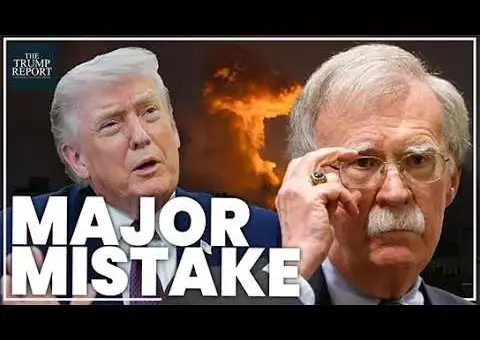
Trump’s Iran Strategy Risks Global Instability
Former Ambassador John Bolton criticizes President Trump's Iran strategy, citing contradictory statements and a lack of clear objectives. Bolton argues that without regime change, the U.S. faces a cycle of conflict, potentially leading to a major strategic defeat and empowering rivals like China and Russia.
Trump Escalates Iran Conflict by Destroying Bridges
Donald Trump's actions, including the destruction of bridges in Iran and the targeting of mediators, have significantly escalated the conflict. This approach risks further violence and economic instability, drawing international condemnation and raising concerns about global peace.