Unveiling Russia’s Brutal System: Ukrainian Civilians Detail Horrific Torture in Captivity
Ukrainian civilians, including local officials, a teacher, and a priest, have revealed a systematic and brutal regime of torture in Russian captivity. Their harrowing testimonies detail relentless beatings, electrocution, nail mutilation, and simulated drowning, highlighting a deliberate strategy of terror and intelligence gathering across occupied Ukraine and within Russia itself. These accounts underscore urgent calls for international accountability for documented war crimes.

Unveiling Russia’s Brutal System: Ukrainian Civilians Detail Horrific Torture in Captivity
In the grim theatre of conflict, where the fog of war often obscures the most heinous acts, the voices of survivors emerge as beacons of truth. Ukrainian civilians, ensnared in Russian captivity, have begun to share their harrowing experiences, painting a chilling picture of a systematic and brutal regime of torture. Their testimonies, collected from various detention sites in occupied Ukraine and within Russia itself, reveal a consistent pattern of physical and psychological torment, designed not merely to extract information, but to break the human spirit.
Among those who have bravely stepped forward are local officials, a dedicated teacher, and a spiritual leader – a priest. These are not combatants, but ordinary citizens, pillars of their communities, whose capture and subsequent ordeal underscore a deliberate strategy of terror. Despite their diverse backgrounds and the varied locations of their detention, a singular, horrifying thread unites their narratives: systematic, brutal torture. It is a testament to the resilience of the human spirit that these individuals, having endured unimaginable suffering, are now able to recount their experiences, bringing to light the dark underbelly of Russia’s war in Ukraine.
The Initial Shock: Rapid Interrogation and Immediate Violence
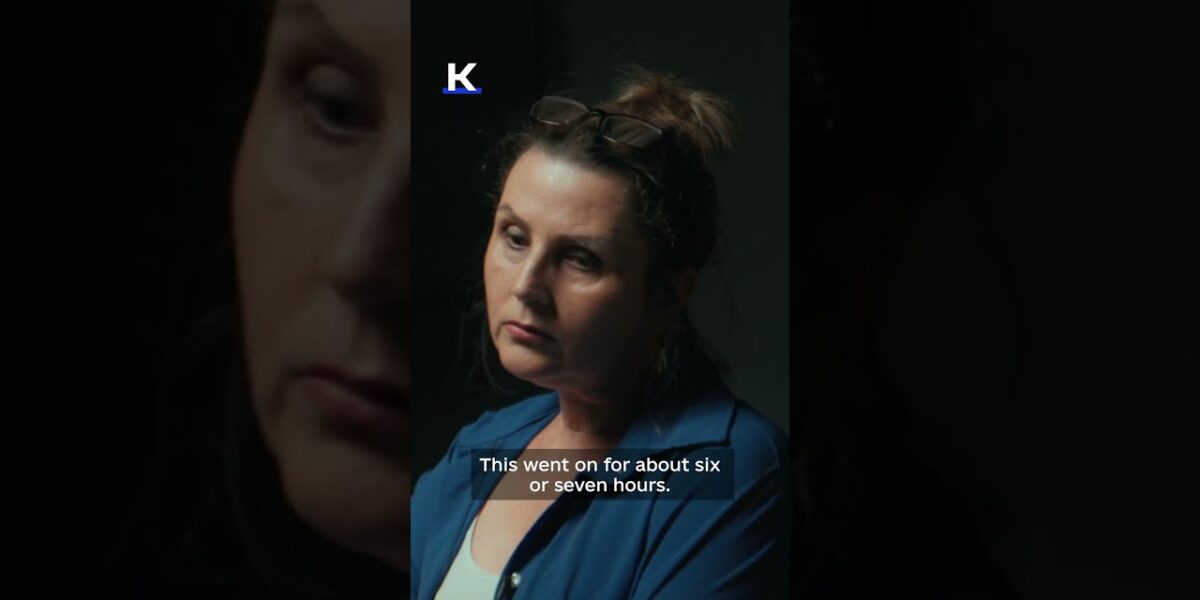
The ordeal for many began almost immediately upon capture, marked by an aggressive and disorienting interrogation process. One survivor described the relentless barrage of questions, delivered with an urgency that allowed no time for contemplation or even full comprehension. “The questions they asked were very quick,” recounted one former detainee. “And if I didn’t manage to answer, I would get hit – with a palm, or a fist, or in the neck area, or on the head, or on the back.” This immediate physical abuse, described as a ‘stimulus’ to elicit responses, was not a sporadic outburst but a sustained tactic, often continuing for hours. “This probably lasted six or seven hours,” the survivor stated, illustrating the endurance required to withstand such an onslaught.
This initial phase of captivity appears designed to overwhelm and disorient, stripping detainees of their sense of control and self-worth. The rapid-fire questioning, coupled with instant physical punishment for perceived slowness or unsatisfactory answers, serves to establish a brutal hierarchy and instill deep fear. It suggests a calculated method for breaking down resistance from the very outset, preparing the ground for more sophisticated and agonizing forms of torture.
Creative Cruelty: Beyond Simple Beatings
As the captivity progressed, the methods of torture often escalated, demonstrating a chilling ingenuity in inflicting pain. Another survivor recounted being subjected to a particularly cruel form of physical abuse that combined humiliation with intense physical suffering. “They put me on a pile of firewood,” the individual recalled, a seemingly innocuous detail that underscores the arbitrary and demeaning nature of the torment. “My head was pressed against this stove.” With hands cuffed behind the back, rendering the victim utterly defenceless, the tormentor used an instrument of the environment itself to inflict further pain. “And he takes a log, a piece of firewood, as they call it, and beats me on the back, on the shoulder blades, on the neck.”
This specific account highlights several disturbing aspects of the torture regime. Firstly, the use of everyday objects – a pile of firewood, a log – as tools of torture indicates a pervasive environment where brutality is normalized and readily accessible. Secondly, the vulnerability of being restrained with hands behind the back, unable to shield oneself, amplifies the terror and the feeling of helplessness. The deliberate targeting of the back, shoulder blades, and neck suggests an intent to cause severe pain and potential long-term injury without necessarily leaving immediately visible, easily documented marks on the face or more exposed areas.
Escalation to Electrocution and Mutilation
The testimonies reveal a disturbing progression in the severity of torture, often marked by the arrival of specialized interrogation teams. “At one point, a group arrived, interrogating in black uniforms, black balaclavas,” one survivor stated, indicating a shift towards more professionalized and extreme methods. These new interrogators brought with them tools of heightened torment. “And those ones started with electricity, hitting with an electroshocker and tearing out nails.”
The use of electrocution, a widely documented method of torture globally, aims to induce intense pain without leaving extensive external marks, making it harder to prove. Tearing out nails, however, is a particularly gruesome and visually shocking act of mutilation, designed to inflict extreme pain, terror, and permanent disfigurement. It is a clear violation of all human rights and a stark indicator of the interrogators’ intent to utterly dehumanize their victims.
The horror did not stop there. The same survivor recalled another excruciating method: “They threw me on the snow then, I remember. They twisted my arm and inserted a worm [likely referring to a wire or needle] under my nail.” This act, combining the pain of a twisted limb with the exquisite agony of an object being forced under a fingernail, speaks to a deeply sadistic and calculated approach to torture. Throughout these agonizing procedures, the interrogators relentlessly pressed for information, often related to Ukrainian security services: “What department of the SBU do you work in? What department of the SBU?” This suggests that while intelligence gathering is a stated aim, the methods employed far exceed any legitimate interrogation techniques, crossing firmly into the realm of torture.
The Ultimate Brink: Electricity, Water, and Psychological Warfare
Perhaps one of the most chilling accounts details the application of electricity to sensitive areas, followed by a simulated drowning experience, culminating in a taunting challenge. “They connected metal clamps to my ears here, very painful ones, and started connecting current,” recounted one female survivor. The ears, rich in nerve endings, are an extremely sensitive area, making this form of electrocution particularly agonizing.
The next thing the victim remembered was waking up in a state of extreme distress: “I woke up from lying on the floor and water being poured on me, I was wet.” This strongly suggests a form of water torture, akin to waterboarding or simulated drowning, designed to create the terrifying sensation of asphyxiation without necessarily leading to actual death. This method is universally condemned as torture due to its profound psychological and physical trauma.
The psychological torment was compounded by the interrogator’s final, chilling words. “And most likely he leaned over me, because I heard right in my face through this sackcloth: ‘Well, shall we continue? How do you like it?’” This question, delivered after such an ordeal, is a deliberate act of psychological cruelty, designed to break the victim’s will, assert complete dominance, and instill a lasting fear that the torment could resume at any moment. It transforms the act of torture from a mere physical assault into a comprehensive assault on the victim’s mind and spirit.
Systematic Brutality: A Deliberate Strategy
The consistent thread of systematic brutality woven through these disparate accounts strongly suggests that these are not isolated incidents of rogue actors, but rather indicative of an institutionalized practice within Russian captivity. The term ‘systematic’ implies a degree of organization, planning, and perhaps even state sanction or direction behind these actions. It suggests that torture is not a random occurrence but a deliberate tool employed as part of a broader strategy.
The objectives of such systematic torture are multi-faceted. Firstly, intelligence gathering is undoubtedly a primary goal, aimed at extracting information about Ukrainian military movements, resistance networks, and civilian loyalties. However, the extreme nature of the torture often goes far beyond what is necessary or effective for intelligence, suggesting other, more sinister purposes.
Secondly, torture serves as a potent instrument of terror. By inflicting unimaginable suffering on individuals, the occupying forces aim to send a chilling message to the broader civilian population: resist, and you too will face such horrors. This strategy seeks to break the will of the populace, suppress dissent, and coerce collaboration, thereby solidifying control over occupied territories. The targeting of community leaders – officials, teachers, priests – is particularly telling in this regard. These individuals are pillars of their societies, symbols of identity and resistance. By torturing them, Russia aims to dismantle the social fabric of Ukrainian communities and remove figures who could inspire continued defiance.
Thirdly, systematic torture can be an act of dehumanization and collective punishment. It seeks to strip victims of their dignity, reducing them to mere objects of torment. This process not only facilitates the perpetration of atrocities but also serves to punish a population perceived as hostile or disloyal, regardless of individual actions.
Targeting Civilians: The Strategy Behind the Atrocities
The fact that the victims are primarily Ukrainian civilians – including local officials, a teacher, and a priest – is profoundly significant. In armed conflicts, international humanitarian law provides specific protections for civilians, who are not to be targeted or subjected to violence. The deliberate capture and torture of non-combatants represent a grave breach of these laws.
Local officials, such as mayors or village heads, are often the first line of governance and community leadership. Their capture and torture can paralyze local administration, leaving communities without leadership and vulnerable to occupation forces. Teachers are custodians of culture and national identity, shaping the minds of the next generation. A priest, as a spiritual leader, offers moral guidance and comfort, embodying the community’s values and resilience. By targeting these figures, Russian forces aim to decapitate the civilian leadership, destroy social cohesion, and erase elements of Ukrainian identity.
This strategy of targeting civilians is a well-documented tactic in conflicts aimed at subjugating populations. It creates an environment of pervasive fear, making it difficult for communities to organize resistance or maintain a sense of normalcy. It is a form of psychological warfare, designed to break the collective spirit of a nation.
The Geography of Cruelty: From Occupied Ukraine to Russian Soil
The testimonies indicate that these horrific acts of torture occurred in “various locations, both in occupied parts of Ukraine and in Russia.” This geographical spread is critical. It suggests that the system of torture is not confined to the immediate battle zones or temporary detention facilities in occupied territories. Instead, it points to a broader, more established infrastructure for detention, interrogation, and abuse that extends into Russian territory itself.
The existence of such facilities within Russia implies a higher level of state involvement and institutionalization. It suggests that the practices are not merely opportunistic abuses by front-line soldiers but are part of a coordinated and centrally managed system. This broad geographical scope underscores the systematic nature of the torture and raises serious questions about the chain of command and accountability within the Russian military and security apparatus.
Violation of International Law: War Crimes and Crimes Against Humanity
The acts described by these survivors – systematic beatings, electrocution, mutilation, simulated drowning, and psychological torture – constitute grave breaches of international humanitarian law. Torture is unequivocally prohibited under all circumstances, with no exceptions, even in times of war or national emergency. The Geneva Conventions, to which Russia is a signatory, explicitly forbid torture and cruel, inhuman, or degrading treatment of prisoners of war and civilians.
Moreover, if carried out as part of a widespread or systematic attack directed against any civilian population, these acts could also amount to crimes against humanity. The International Criminal Court (ICC) has jurisdiction over war crimes, crimes against humanity, and genocide. The consistent and widespread nature of the abuses documented by various human rights organizations, including those detailed in these testimonies, provides compelling evidence for potential prosecutions.
The principle of universal jurisdiction allows states to prosecute individuals for certain grave international crimes, such as torture, regardless of where the crime was committed or the nationality of the perpetrator or victim. This offers another potential avenue for justice, even if direct prosecution within Russia remains impossible under current circumstances.
The Enduring Scars: Psychological and Societal Impact
The physical wounds inflicted by torture may eventually heal, but the psychological scars often last a lifetime. Survivors of torture frequently suffer from severe Post-Traumatic Stress Disorder (PTSD), anxiety, depression, chronic pain, and a profound loss of trust in others and in the world. The experience of being utterly helpless and subjected to extreme cruelty can shatter a person’s sense of self and their ability to function in society.
Beyond the individual, systematic torture has a devastating impact on communities and society as a whole. It erodes trust, fosters deep-seated trauma, and can impede post-conflict reconciliation and recovery efforts for generations. The fear instilled by such practices can lead to self-censorship, social fragmentation, and a pervasive sense of insecurity, even long after the immediate threat has passed. The testimonies of these Ukrainian civilians are not just personal stories; they are collective wounds on the fabric of a nation.
The Global Response and Quest for Accountability
Human rights organizations such as Amnesty International, Human Rights Watch, and various United Nations bodies have consistently documented widespread human rights abuses, including torture, perpetrated by Russian forces in Ukraine. These organizations play a crucial role in collecting evidence, verifying testimonies, and advocating for accountability. Their reports corroborate the systematic nature of the abuses, urging the international community to take decisive action.
The quest for accountability is complex and fraught with challenges, particularly in the context of an ongoing conflict. However, efforts are underway to collect and preserve evidence of war crimes, with a view to future prosecutions at national or international levels. This includes interviewing survivors, documenting injuries, and cross-referencing information to build robust cases against perpetrators and those in the chain of command responsible for these atrocities.
The testimonies of Ukrainian civilians are vital to this process. They provide the human face to the statistics and reports, underscoring the urgency and moral imperative of seeking justice. Ensuring that those responsible for systematic torture are held accountable is not only a matter of justice for the victims but also a critical step in upholding international law and deterring future atrocities.
Conclusion
The accounts of Ukrainian civilians, detailing systematic and brutal torture in Russian captivity, lay bare the horrific reality of the ongoing conflict. From rapid-fire interrogations accompanied by beatings, to sadistic methods involving firewood, electrocution, nail mutilation, and simulated drowning, these testimonies paint a picture of calculated cruelty designed to break individuals and terrorize communities. The systematic nature of these abuses, spanning various locations in occupied Ukraine and Russia, points to an institutionalized practice that constitutes grave war crimes and potential crimes against humanity.
As the world grapples with the continuing conflict, these voices serve as a stark reminder of the profound human cost. The international community has a moral and legal obligation to listen, document, and pursue justice for these victims. Accountability for such systematic horrors is paramount, not only to provide solace to the survivors but also to reaffirm the fundamental principles of human dignity and international law that are so brazenly violated in the shadow of war.
Source: Inside Russia’s system of torture (YouTube)

Related Articles

Iran’s Regime Under Siege: Attacks Cripple Leadership, Impact Russia
Iran's regime is reportedly facing critical blows from targeted attacks, crippling its leadership and severing a vital military supply line to Russia. This dual pressure is significantly impacting Russia's war efforts in Ukraine, while internal dissent grows within Iran.


Ukraine Strikes Deep: Russia’s ‘Untouchable’ Assets Hit
Ukraine has successfully launched long-range drone attacks deep inside Russia, hitting a crucial chemical plant in Perm and an oil terminal in Krasnodar. These strikes dismantle Russia's perceived geographical safety and target key economic lifelines, impacting its ability to sustain the war effort. The attacks highlight Ukraine's evolving strategy of systematic disruption and innovative use of technology, including high-altitude balloons, to degrade Russian capacity.


Ex-Russian President Medv’s Stark War Ultimatum Revealed
Former Russian President Dmitry Medvedev has reaffirmed Moscow's non-negotiable demands for ending the war in Ukraine, directly linked to Vladimir Putin's public conditions. His statements dismantle illusions of compromise and suggest a prolonged conflict, as the stated goals remain vague and open-ended.