Unsung Heroes: How Ordinary Americans Shaped U.S. History
The video highlights how ordinary Americans like Claudette Colvin, who protested bus segregation before Rosa Parks, and the activists who crawled up the Capitol steps for the ADA, have shaped U.S. history. It emphasizes that democracy is sustained by individual acts of courage and defiance, from the Boston Tea Party to the fight for women's suffrage, reminding viewers that every person has the power to contribute to a more just nation.

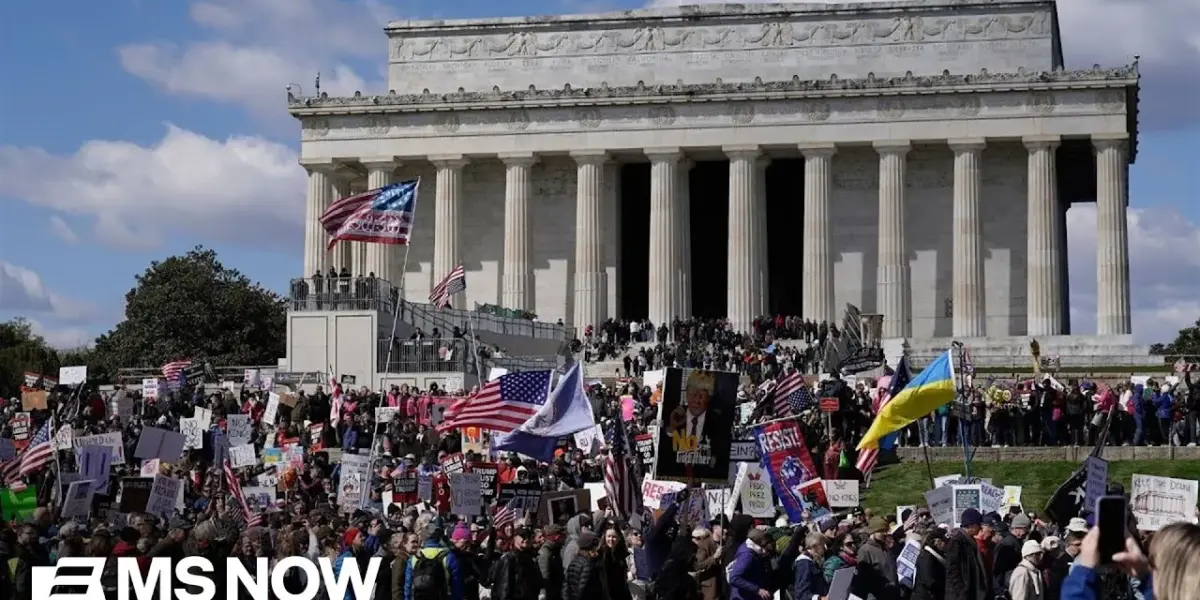
Claudette Colvin Ignited Change Before Rosa Parks
The story of American democracy is not just told by famous leaders, but by ordinary people making brave choices. Claudette Colvin, a 15-year-old Black girl from Montgomery, Alabama, is one such hero. On March 2, 1955, nine months before Rosa Parks’ famous protest, Colvin refused to give up her seat to a white passenger on a segregated bus. She was arrested, but her act of defiance became a crucial step in challenging segregation.
Colvin’s courage didn’t stop there. She became a key plaintiff in the landmark court case Browder v. Gale, which ultimately ended bus segregation in Montgomery. While Rosa Parks became a household name, Colvin’s story highlights how many brave individuals, whose names are often forgotten, have contributed to making America more just and equal.
The Power of One Person’s Stand
Historian Timothy Snyder notes that Colvin chose “not to obey an unjust system.” Her action, though seemingly small at the time, was a powerful domino in a larger movement. The video emphasizes that American democracy thrives not just on grand gestures, but on quiet, decisive moments. These individual acts of courage, spread across time and generations, collectively shape the nation’s history and build a stronger democracy.
Foundational Acts of Rebellion and Equality
The article traces this spirit of people power back to the Boston Tea Party on December 16, 1773. Ordinary colonists – merchants, laborers, and craftsmen – boarded British ships and dumped tea into Boston Harbor to protest unfair taxation. This act of rebellion sparked a movement that led to the birth of a nation and established the core American belief that true power rests with the people.
This ethos is echoed in the Declaration of Independence, signed in 1776. Its famous words, “All men are created equal,” established the idea that government should get its power from the people. Though the nation did not immediately live up to this ideal, the concept of universal human rights and government by consent was embedded from the start.
Women’s Fight for Rights Mirrors Early Ideals
Decades later, in 1848, this same spirit fueled the first women’s rights convention in Seneca Falls, New York. Led by Elizabeth Cady Stanton, activists drafted a “Second Declaration of Independence,” known as the Declaration of Sentiments. This document used the language of 1776 to demand equal rights for women, highlighting legal injustices like women being considered “civilly dead” after marriage and losing control of their property and wages.
Stanton’s work laid the groundwork for future generations. The fight for women’s suffrage, though a long struggle, eventually led to the 19th Amendment. However, the article points out that the promise of equal voting rights wasn’t fully realized for Black Americans until the Voting Rights Act of 1965, showing that progress often takes many years and continued effort.
The Capitol Crawl and the ADA
Another pivotal moment arrived on March 12, 1990, with the “Capitol Crawl.” Over 1,000 disability rights activists marched to the U.S. Capitol to demand the passage of the Americans with Disabilities Act (ADA). To show the daily obstacles faced by people with disabilities, many activists left their wheelchairs and crawled up the Capitol steps.
Among them was eight-year-old Jennifer Keelan-Chaffins, already a seasoned activist who had faced discrimination from a young age. Her determination to participate, despite her age, was crucial. The activists presented copies of the Declaration of Independence to Congress, highlighting their fight for equal rights. Just a few months later, President George H.W. Bush signed the ADA into law, creating the world’s first comprehensive civil rights law protecting the rights of people with disabilities and making public spaces more accessible for all.
A Call to Action for Today
The video concludes by connecting these historical moments to present-day activism. It highlights that millions of Americans are expected to take action to defend democracy, carrying forward the legacies of those who fought before them. The story of America, it suggests, is continually written by ordinary people who choose to stand up for something bigger than themselves.
The message is clear: history calls on everyone to participate. Just as Claudette Colvin remained seated, or Jennifer Keelan-Chaffins crawled up the Capitol steps, ordinary citizens have the power to influence the course of the nation. The video ends with a powerful question: “History will knock on your door any minute now. Will you answer?”
Source: America’s story is written by its people (YouTube)

Related Articles

Protesters Challenge Presidential Power, Ignite Debate
Millions are protesting nationwide under the "No Kings" banner, challenging presidential authority and policies they deem unconstitutional. Organizers emphasize First Amendment rights while debating foreign policy, immigration, and the balance of power.

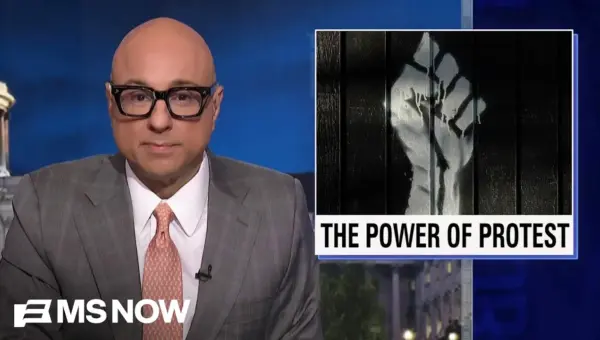
Americans Rise Up: History Shows Protests Drive Change
History shows that significant societal change in America often begins with citizens demanding action, not government initiative. From factory safety laws after the Triangle Shirtwaist fire to civil rights legislation spurred by the March on Washington and environmental protections born from Earth Day, public outcry has been a powerful catalyst. As new protests emerge amid current political and economic challenges, the nation watches to see if this historical pattern of people power will once again drive meaningful change.

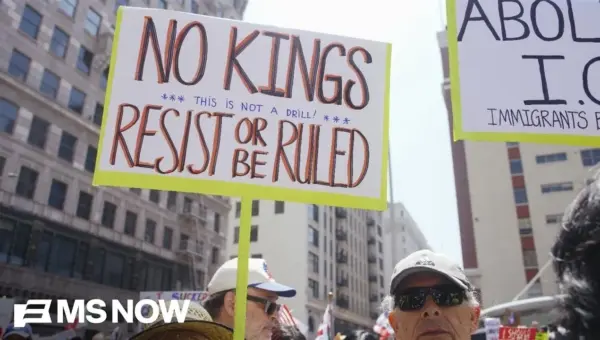
Millions Rally Nationwide for ‘No Kings’ Protests
Millions of Americans are set to participate in nationwide 'No Kings' protests, marking the largest demonstrations against the current administration's policies. The protests, fueled by issues including the war in Iran and immigration enforcement, are planned across all 50 states. Experts draw parallels to historical movements, emphasizing the power of sustained grassroots dissent in driving change.