Unpacking Trump’s Iran War: A Constitutional Crisis Unfolds
The US strike on Iran in February 2026 bypassed Congress, leaving the public without clear answers. This analysis delves into the shifting justifications, the constitutional crisis, and the implications for democratic norms and regional stability.

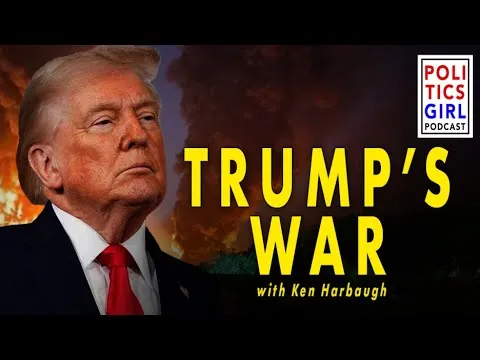
Unpacking Trump’s Iran War: A Constitutional Crisis Unfolds
On February 28th, 2026, the United States, in conjunction with Israel, launched a devastating strike against Iran. The operation, unprecedented in its scope and target, resulted in the elimination of Ayatollah Khamenei, Iran’s Supreme Leader, and a significant portion of its power structure. However, the American public finds itself adrift in a sea of ambiguity, lacking a clear, cohesive explanation for this momentous act of war. Crucially, the decision to engage in hostilities was made without the constitutionally mandated approval of Congress, raising profound questions about the executive branch’s overreach and the erosion of democratic checks and balances.
A Cascade of Justifications
The Trump administration, facing a public clamoring for answers, has offered a shifting array of rationales for the strike. These explanations, often contradictory and lacking substantiation, have been likened to throwing spaghetti at a wall to see what sticks. The justifications presented include:
- Iran’s alleged nuclear capabilities.
- Counter-terrorism efforts.
- The purported aim of freeing the Iranian people from an oppressive regime.
- A preemptive strike based on intelligence indicating imminent Iranian plans to attack U.S. bases.
- Retaliation for alleged Iranian interference in the 2020 and 2024 U.S. elections.
The inability of the administration to articulate a consistent narrative underscores a troubling lack of strategic clarity and a potential disregard for established presidential duties. This ambiguity extends to the broader intentions and long-term objectives of the United States in the volatile Middle East.
The Role of Media and Independent Voices
The discourse surrounding this critical event has been further complicated by a perceived failure of mainstream media outlets to provide thorough, unbiased reporting. In this vacuum, independent journalists and commentators are stepping forward, emphasizing the vital role of their work in informing the public. The transcript highlights a plea for support from such independent voices, arguing that a concerted effort by the far-right has allowed extremist viewpoints to gain undue traction. The call for subscriptions to premium content services underscores a growing trend of individuals and organizations seeking alternative avenues for news and analysis, outside the traditional media landscape.
Historical Context and Constitutional Precedent
The U.S. Constitution, in Article I, Section 8, explicitly grants Congress the power to declare war. This provision was a deliberate attempt by the Founding Fathers to prevent impulsive, unilateral military actions by the executive branch. Throughout American history, declarations of war have been rare, with most significant military engagements authorized through congressional resolutions or appropriations, even if not a formal declaration. The actions taken against Iran in February 2026 appear to bypass this fundamental constitutional safeguard, setting a potentially dangerous precedent for future executive actions in foreign policy and military affairs.
Why This Matters
The implications of the administration’s unilateral decision to engage in hostilities with Iran are far-reaching and deeply concerning:
- Erosion of Democratic Norms: Bypassing Congress in matters of war fundamentally undermines the system of checks and balances designed to protect against authoritarianism. It concentrates immense power in the hands of the president, potentially leading to less deliberated and more impulsive foreign policy decisions.
- Lack of Public Accountability: When the reasons for war are unclear and shifting, it becomes impossible for the public to hold their elected officials accountable for the decision-making process and its consequences. This opacity breeds distrust and disengagement.
- Regional Instability: A unilateral military strike of this magnitude, without clear strategic objectives or international consensus, risks escalating tensions in an already volatile region. It could lead to wider conflict, humanitarian crises, and long-term geopolitical instability.
- Set of Dangerous Precedent: If such an action becomes normalized, future administrations might feel emboldened to act similarly, further diminishing the role of legislative oversight in matters of war and peace.
Implications, Trends, and Future Outlook
The events of February 2026 suggest a troubling trend towards presidential unilateralism in foreign policy. This is not an entirely new phenomenon, but the scale and nature of this particular action, coupled with the lack of clear justification, represent a significant escalation. The reliance on a multitude of disparate justifications points to a reactive rather than strategic approach to foreign policy. The ability of the current administration to shape narratives, even with conflicting information, highlights the ongoing struggle for public opinion in the digital age, where independent media and social platforms play an increasingly crucial role.
Looking ahead, the situation demands rigorous scrutiny from all branches of government and an informed citizenry. The precedent set by this action will undoubtedly shape future debates about the executive’s war powers. The need for transparency, clear strategic communication, and adherence to constitutional processes has never been more critical. The future of American foreign policy, and indeed its democratic foundations, may hinge on how these questions are addressed and whether the essential checks and balances are upheld.
The current climate, characterized by partisan division and a challenging media landscape, makes it imperative for citizens to seek out diverse sources of information and engage critically with the narratives presented to them. The call for support for independent journalism is a reflection of this urgent need for robust, unvarnished reporting that can hold power accountable and foster informed public discourse.
Source: Trump’s War: A Conversation with Ken Harbaugh | PoliticsGirl (YouTube)

Related Articles

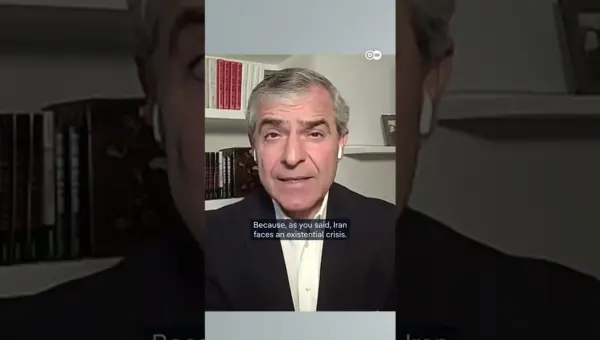
Iran Conflict: A ‘War of Choice,’ Analyst Argues
An analyst speaking with DW News challenges the Western narrative on Iran, arguing that the current conflict is a "war of choice" driven by specific political leaders rather than an unavoidable threat. The analysis suggests Iran has been on the defensive while facing internal and external pressures.
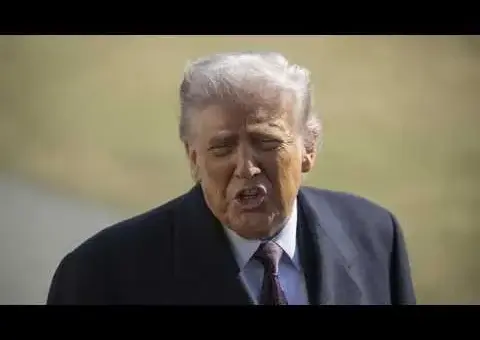
Trump’s Election Wars: Foreign Threats Mask Domestic Power Grab
Donald Trump's recent pronouncements linking military action against Iran to claims of election interference reveal a concerning strategy. Analysts suggest foreign policy is being weaponized to consolidate domestic power and undermine democratic processes, raising alarms about executive overreach and the future of fair elections.
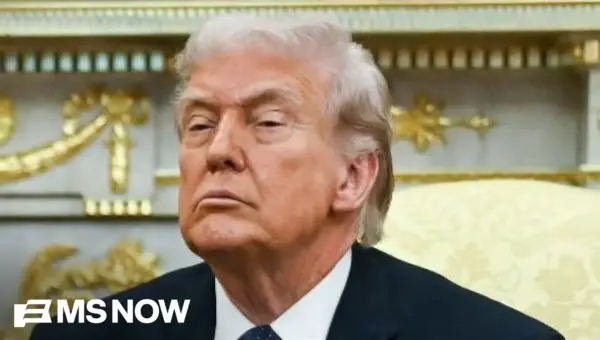
Trump Hints at Regime Change in Iran, Cites ‘Dead’ Candidates
President Trump suggested that the U.S. has considered leadership changes in Iran, cryptically stating that "most of the people we had in mind are dead." The remarks were made during a press conference with German Chancellor Friedrich Merz amid heightened U.S.-Iran tensions.