United MileagePlus Overhaul: Cardholders Gain Edge
United Airlines is revamping its MileagePlus program, giving preferential treatment to co-branded credit card holders. The changes, effective April, will result in higher mileage earnings and better redemption rates for cardholders, signaling a strategic push to enhance credit card appeal.

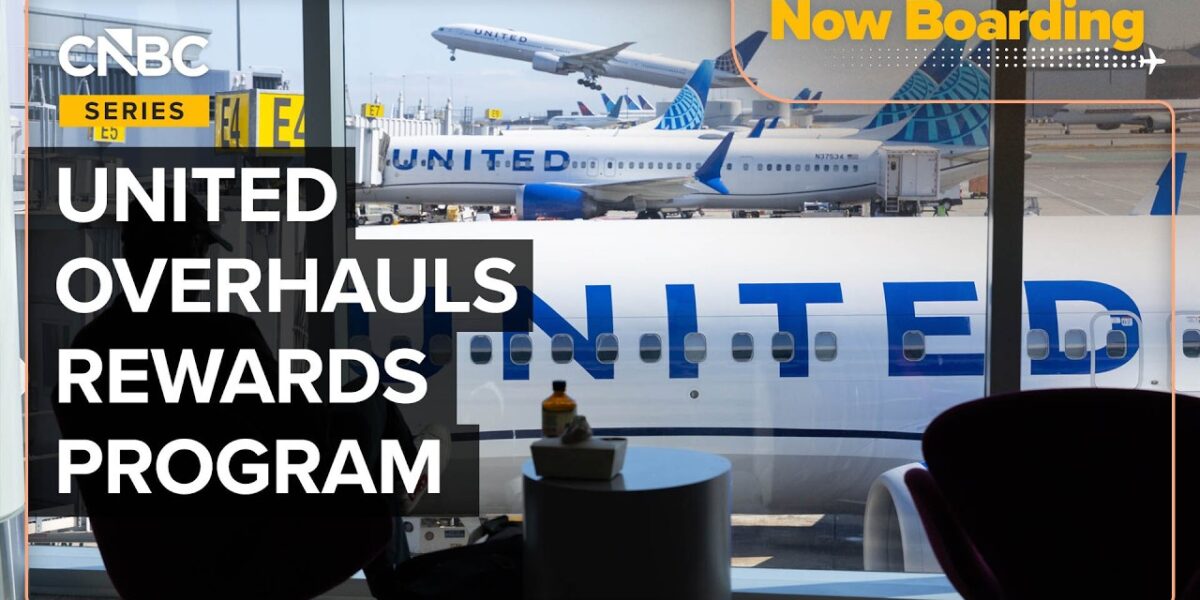
United Airlines Overhauls MileagePlus Program, Favoring Cardholders
United Airlines is implementing the most significant overhaul of its MileagePlus frequent flyer program in over a decade, a strategic move designed to bolster its co-branded credit card offerings and differentiate itself in a fiercely competitive travel rewards market. Effective April, the changes will see a tiered earning structure where cardholders will accrue more miles compared to non-cardholders, and will also gain preferential access to discounted award redemption rates, including for premium cabins like the Polaris business class. This recalibration signals a growing trend among major carriers to deepen the loyalty of their most engaged customers through credit card partnerships.
Key Changes to MileagePlus Earning and Redemption
The core of the overhaul lies in the differentiation of earning rates based on credit card ownership. Customers who hold a United co-branded credit card will now earn miles at a more accelerated pace than those who do not. This shift directly incentivizes travelers to adopt and utilize these cards for their everyday spending to maximize their mileage accumulation.
Furthermore, United is reserving discounted award redemption opportunities for its credit card holders. This means that flights, including lucrative premium cabin redemptions such as the Polaris business class, will require fewer miles for cardholders. Conversely, non-cardholders will find that redeeming miles for these same flights will demand a higher mileage expenditure, effectively increasing the cost of aspirational travel for those without the associated credit product.
Basic Economy Exclusion Reflects Industry Trend
In a move that aligns with competitors American Airlines and Delta Air Lines, United will cease awarding frequent flyer miles on basic economy tickets for customers who do not possess an airline co-branded credit card. This policy effectively makes the cheapest fare class inaccessible for mileage accrual for a significant segment of travelers, further pushing the utility of airline-specific credit cards.
The Strategic Importance of Loyalty Programs and Credit Card Partnerships
These changes underscore the immense financial importance of airline loyalty programs, which are valued in the billions of dollars and have become increasingly critical profit centers for airlines. The transcript highlights Delta Air Lines’ partnership with American Express, which generated $8.2 billion last year, representing an 11% increase from the previous year. This growth significantly outpaced Delta’s passenger revenue growth of just 2%.
“U.S. airline profit leader Delta said it got $8.2 billion from its American Express partnership last year. That’s up 11% from a year earlier and much faster growth than the 2% increase in passenger revenue it posted.”
Airlines are continuously innovating ways for members to utilize their accrued miles, extending beyond free flights to include seat upgrades and even in-flight amenities. However, the underlying objective remains clear: to make the path to earning a free flight more demanding, thereby encouraging greater spending and deeper engagement with the airline’s ecosystem, particularly through its credit card partners.
Market Impact and What Investors Should Know
The overhaul of the MileagePlus program by United Airlines is a clear signal of the evolving dynamics within the airline and credit card partnership space. For investors, this highlights several key trends:
- Increased Value of Co-Branded Credit Cards: Airlines are increasingly leveraging their loyalty programs as a means to drive uptake and engagement with co-branded credit cards. These cards are no longer just a perk but a critical component of the loyalty ecosystem, offering tangible benefits that directly impact mileage earning and redemption.
- Revenue Diversification: The substantial revenue generated from credit card partnerships, as exemplified by Delta’s $8.2 billion haul, demonstrates a successful strategy for airlines to diversify revenue streams beyond traditional passenger fares. This provides a buffer against the cyclical nature of the airline industry.
- Customer Segmentation: The tiered approach to earning and redemption based on cardholder status represents a sophisticated form of customer segmentation. Airlines are rewarding their most loyal and high-spending customers, while simultaneously creating incentives for others to become more deeply integrated into their programs.
- Competitive Landscape: The move by United places it in direct competition with American Airlines and Delta, which have already implemented similar strategies to favor credit card holders. This suggests that such a model is becoming an industry standard, and further innovation in rewards structures can be expected across the sector.
Long-Term Implications for Travelers and the Industry
For travelers, the long-term implication is a continued emphasis on strategic spending to maximize travel rewards. Those who actively engage with airline credit cards and loyalty programs will likely find greater value and more accessible aspirational travel opportunities. However, casual travelers or those hesitant to adopt co-branded credit cards may find earning free flights and premium experiences increasingly challenging.
The industry, meanwhile, is likely to see a further entrenchment of the credit card partnership model as a core revenue driver. This could lead to more sophisticated loyalty program designs, potentially with even greater segmentation and personalized offers, all aimed at capturing a larger share of consumer spending and fostering enduring brand loyalty in an increasingly competitive global travel market.
Source: United Airlines Overhauls MileagePlus Program — Here's What To Know (YouTube)

Related Articles


Consumer Debt Surge Signals Economic Vulnerability
American consumers are increasingly relying on debt, such as car loans and credit cards, driven by a "tomorrow is not promised" mentality. This growing financial burden could reduce future spending power and increase default risks, signaling potential economic vulnerabilities.


The Perilous Allure of 0% APR Credit Card Offers
Deceptively attractive 0% APR credit card offers can serve as a sophisticated entry point into high-interest debt. Financial experts warn these promotions are strategic tools designed to ensnare consumers, often leading to significant financial burdens.


Credit Card Spending: The Hidden Cost of Rewards
New research highlights how credit card usage can psychologically encourage overspending, potentially negating rewards and leading to high interest charges. This trend has significant implications for consumer behavior and market sectors reliant on discretionary spending.