Undocumented Immigrant’s Case Highlights Border Security Debate
The case of Jose Medina, accused in the killing of Sheridan Gorman, highlights the ongoing debate surrounding immigration and border security. Medina, who was in the U.S. illegally and had a criminal record, faced legal hurdles after failing to appear in court. His hospitalization postponed his arraignment, bringing national attention to immigration policy.


Undocumented Immigrant’s Case Highlights Border Security Debate
The recent case of Jose Medina, accused of killing Loyola University student Sheridan Gorman, has brought the complex issues of immigration and border security back into the spotlight. Medina, who was reportedly in the United States illegally and had a prior criminal record, was expected to appear in court for arraignment. However, his court date was postponed because he was hospitalized, preventing him from entering a plea.
Immigration Status and Legal Proceedings
Information from the Department of Homeland Security (DHS) confirmed that Medina was in the country without legal status. This revelation adds another layer to the ongoing debate about how to manage undocumented individuals with criminal histories within the United States. The legal system faced a critical juncture when a judge, Peter Gonzalez, determined Medina was not a threat to the community, a decision made under the context of the Safety Act. However, this assessment was challenged when Medina failed to appear for a required court date, leading to an arrest warrant.
Arrest and Subsequent Events
The warrant for Medina’s arrest was not fully executed until he was apprehended recently. His arrest was directly linked to the ongoing investigation into the murder of Sheridan Gorman. The sequence of events, from his initial presence in the U.S. to his alleged involvement in a violent crime and subsequent legal entanglement, raises questions about the effectiveness of current immigration enforcement and judicial processes.
The Broader Immigration Debate
This case touches upon deeply divisive aspects of American immigration policy. Supporters of stricter border controls often point to such incidents as evidence that current policies are insufficient to protect communities. They argue that individuals who enter the country illegally and possess criminal records pose a significant risk. Conversely, immigrant rights advocates often emphasize that focusing solely on the immigration status of an accused individual can overshadow the complexities of the justice system and the circumstances of each case. They also highlight that many undocumented immigrants are not criminals and contribute positively to society.
Historical Context and Policy Implications
The challenges presented by cases like Medina’s are not new. Debates over border security and the status of undocumented immigrants have been ongoing for decades, evolving with different administrations and legislative efforts. Laws like the Safety Act mentioned in this case are attempts to balance public safety with legal frameworks for handling immigration. However, the practical application and effectiveness of these laws remain subjects of intense political and social discussion. The incident underscores the difficulty in identifying and managing individuals who may pose a risk while also navigating legal and humanitarian considerations.
Economic and Social Factors
While the transcript does not detail specific economic factors, the presence of undocumented workers is a significant element in many sectors of the U.S. economy. Discussions around immigration often involve economic impacts, including labor markets, wages, and the use of public services. The case of Jose Medina, however, centers more on the intersection of immigration status, criminal activity, and public safety, which are key concerns for policymakers and the public.
Future Scenarios and Policy Directions
Moving forward, this case could influence policy discussions around border enforcement, asylum processes, and the handling of undocumented individuals with criminal records. One scenario is increased pressure for more stringent enforcement measures at the border and stricter penalties for those who enter illegally and commit crimes. Another possibility is a renewed focus on comprehensive immigration reform that addresses both border security and the status of those already in the country. The outcome of Medina’s legal proceedings will also be closely watched, as it may set precedents or highlight existing challenges within the justice system.
Global Impact
Cases like these, involving individuals who are in a country illegally and are accused of serious crimes, have implications far beyond the immediate community. They fuel international discussions about national sovereignty, border management, and the responsibilities of nations in dealing with migration. The way the United States handles such situations can influence how other countries approach their own immigration challenges and international cooperation on security matters. The debate often involves balancing national security concerns with humanitarian principles and international law.
Source: Suspect in Loyola student killing hospitalized | NewsNation Live (YouTube)

Related Articles

Congress Stalemate Threatens Border Security Funding
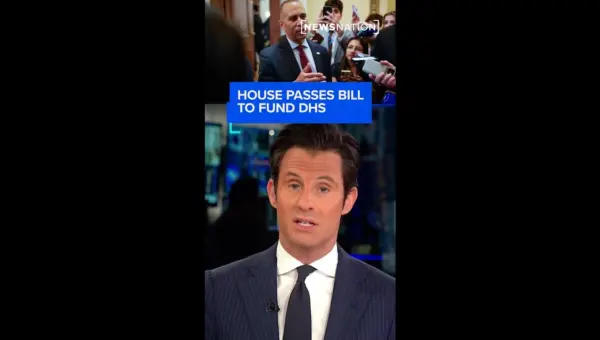
The U.S. House passed a temporary funding bill for the Department of Homeland Security, but Senate Democrats are expected to block it. This recurring stalemate highlights deep divisions over border policy and funding, potentially impacting national security and international perceptions of U.S. stability.


House Republicans Reject Senate Deal, Sparking Government Funding Clash
House Republicans have rejected a Senate bill to end the government shutdown, citing insufficient border security measures. Congressman Randy Fine called the Senate deal a "disgrace" and highlighted the ongoing fight for full government funding. President Trump's executive order to pay TSA agents offers temporary relief, but the core disagreement over border security continues to paralyze Washington.


House Rejects Senate Bill, Citing Border Security Funding Gaps
House Republicans are rejecting a Senate funding bill, arguing it lacks essential appropriations for ICE and CBP, threatening anti-trafficking efforts and border security. They plan to pass a short-term measure to force renewed negotiations.