UN Vote Divides World on Transatlantic Slave Trade Recognition
A recent UN vote to recognize the transatlantic slave trade as the gravest crime against humanity has exposed deep global divisions. While many nations supported the resolution, key countries including the US and EU members abstained or voted against it, highlighting ongoing tensions over historical legacies and reparations. The vote underscores the complex geopolitical landscape and differing perspectives on acknowledging past atrocities.

UN Resolution Sparks Global Divide Over Slavery’s Legacy
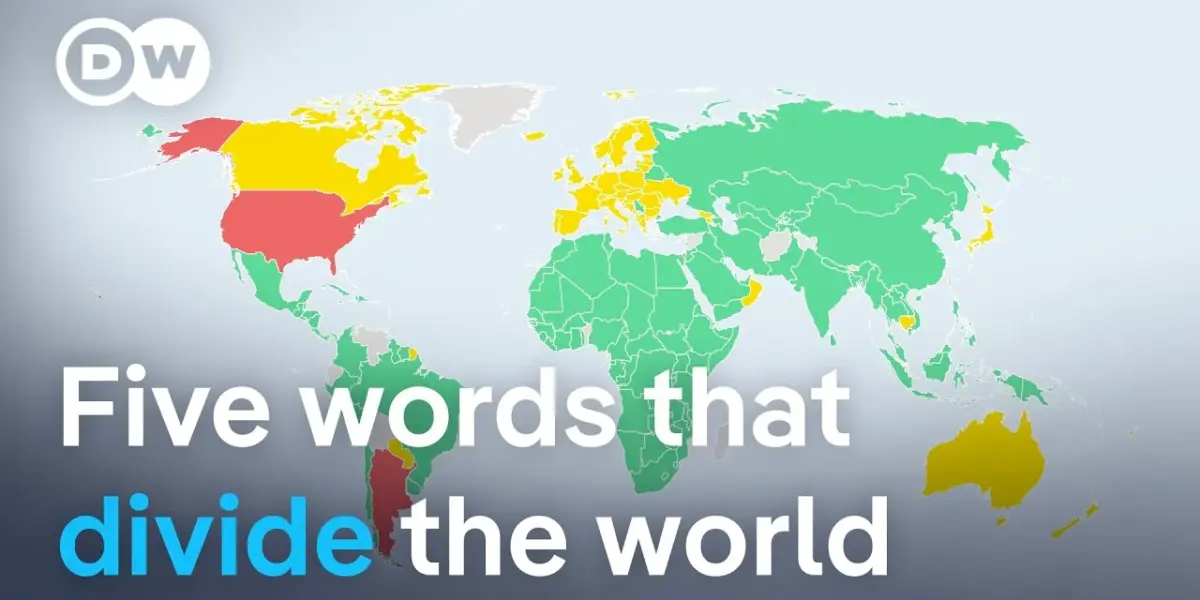
The United Nations recently voted on a resolution to recognize the transatlantic slave trade as the gravest crime against humanity. The vote revealed a stark division across the globe, with nations split on how to classify this horrific chapter of history. Green countries supported the resolution, while the United States, Israel, and Argentina voted against it. Yellow countries, including all European Union members, abstained from the vote.
Echoes of Past Debates Resurface
Professor Olivette Otele, a research professor specializing in the field, noted that the vote’s outcome mirrors debates from the 2001 Durban conference. She explained that countries which voted against the resolution in 2001 also voted against it this time. Similarly, those who abstained, including former colonial powers, echoed their previous positions. This pattern highlights the ongoing and sensitive discussions surrounding colonial enslavement and its lasting impacts.
The Brutal Reality of the Transatlantic Slave Trade
The transatlantic slave trade spanned over 400 years, during which millions of Africans were forcibly taken from their homes and transported to the Americas. These individuals were subjected to brutal forced labor, and people of color were dehumanized to justify the denial of their basic human rights. The enduring consequences of this period are still visible today, contributing to a lack of inherited wealth, cultural loss, and persistent racism in many societies.
Reparations Remain a Contentious Issue
Despite the clear historical injustices, European Union countries abstained from the UN resolution, which called for reparations, apologies, and the return of cultural artifacts. Professor Otele suggested that the fear of reparations is a major reason for their hesitation, a concern also present in 2001. She believes that by abstaining, these nations missed an opportunity to strongly condemn the transatlantic enslavement and acknowledge its profound global impact. Otele described the abstention as hypocritical, especially since the declaration was not legally binding.
Germany’s Historical Context and Abstention
Germany, a nation known for its efforts to acknowledge and atone for the Holocaust, also abstained from the vote. While Germany as a modern state is relatively young, historical regions like Brandenburg were involved in attempts to participate in the slave trade. However, other European powers like the Netherlands, France, and Britain largely controlled the trade initially. By the 19th century, Germany was deeply involved in colonial activities in Africa. Professor Otele understands Germany’s abstention, linking it to the broader interests of European countries in defending their historical narratives.
Differing Perspectives on ‘Gravest Crime’
The resolution’s wording, calling the slave trade the “gravest crime against humanity,” raises complex questions about historical ranking. For Gambians, the transatlantic slave trade might be considered the gravest crime due to its direct impact on their ancestors. However, for Germany, acknowledging the transatlantic slave trade as the gravest crime could implicitly elevate it above the Holocaust. Professor Otele pointed out that Europe has historically chosen to commemorate certain crimes it deems more significant, leading to differing perspectives on which historical atrocities hold the highest rank.
Geopolitics and Historical Hierarchies
The UN vote’s division reflects not only historical legacies but also current geopolitical hierarchies. Professor Otele described the situation as a “David and Goliath” struggle, pitting those who benefited from colonial powers against those who suffered their consequences. She noted that virtually all countries have some form of colonial history, influencing their voting behavior. The vote is seen as a political statement from nations seeking to assert their position on the international stage.
The Importance of Apologies and Atonement
Apologies are considered a crucial first step, yet they remain rare from many nations. The Netherlands and Germany are among the few countries that have issued apologies for their roles in historical injustices. However, Professor Otele stressed that apologies without accountability and atonement are not truly meaningful. In many cultural traditions, an apology necessitates making amends, which can take the form of reparations or restitution.
Restitution and Reparations: A Slow Process
While restitution and reparations are part of the ongoing discussion, progress varies among nations. Germany and the Netherlands have taken steps toward restitution, not only for African artifacts but also for items looted from regions like the Indian Ocean, Sri Lanka, and Indonesia. Professor Otele emphasized that restitution and reparations, in various forms, must follow apologies to be considered complete.
France’s Alternative Approach
France offers an interesting case, having refused to apologize for its role in the slave trade but was among the first to acknowledge it as a crime against humanity. Following this, France enacted the Taubira law, which led to significant changes in school curricula, research, and the establishment of a month dedicated to remembrance. This approach demonstrates that meaningful action and acknowledgment can occur even without a formal apology.
Brazil’s Stance and Shifting Alliances
Brazil, a country that received millions of enslaved people from Africa, voted in favor of the UN resolution. Professor Otele was not surprised by Brazil’s support, given its significant historical ties to the transatlantic slave trade. Brazil’s vote is seen as a move to align itself with other nations addressing the legacies of colonialism and reparations, particularly in contrast to its previous passive observation. This marks an important moment for Brazil to actively participate in discussions alongside groups like CARICOM, which have been vocal advocates for reparations.
A Step Towards Global Union?
The UN vote could signal a growing unity among nations in the Global South. Professor Otele suggested that this movement might lead to a form of global union, perhaps similar to the European Union but on a larger scale. She referenced historical ideas like Kwame Nkrumah’s concept of a “United States of Africa” and proposed that this could evolve into a broader global coalition. While the military and financial aspects of such a union remain to be seen, it represents a significant step towards greater solidarity that might be perceived as a challenge by some established powers.
Source: UN votes to Recognize Slavery as Gravest Crime Against Humanity | DW News (YouTube)

Related Articles


Ancient Ties: Jewish-Muslim Relations Span Centuries, Not Just Conflict
A new book challenges the idea that current conflicts define Jewish-Muslim relations, revealing a 14-century history marked by deep cultural ties and alliances. Author Mark David Bear argues that colonialism, not an ancient religious feud, fractured these bonds, and that historical cooperation offers lessons for present-day reconciliation.
UN Declares Slave Trade ‘Gravest Crime Against Humanity’
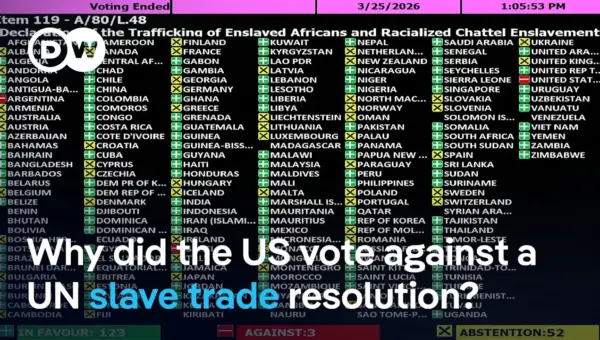
The United Nations General Assembly has declared the transatlantic slave trade the gravest crime against humanity in a historic vote led by Ghana. The resolution calls for apologies and reparations, sparking debate and celebration worldwide. While 123 nations supported the move, the US and others abstained or voted against, citing concerns over legal definitions and the hierarchy of historical crimes.


China Hijacks UN: Report Exposes Authoritarian Power Grab
A congressional report reveals China is manipulating the UN by using financial contributions and placing officials in key roles. This strategy aims to expand its authoritarian influence and protect its business interests globally.