UN Chief Calls for Restraint After Iran Strikes
UN Secretary-General António Guterres urged "maximum restraint" from all parties following reported strikes by the U.S. and Israel against Iran. Addressing the UN Security Council, Guterres emphasized the urgent need to de-escalate rising regional tensions and avert a wider conflict.

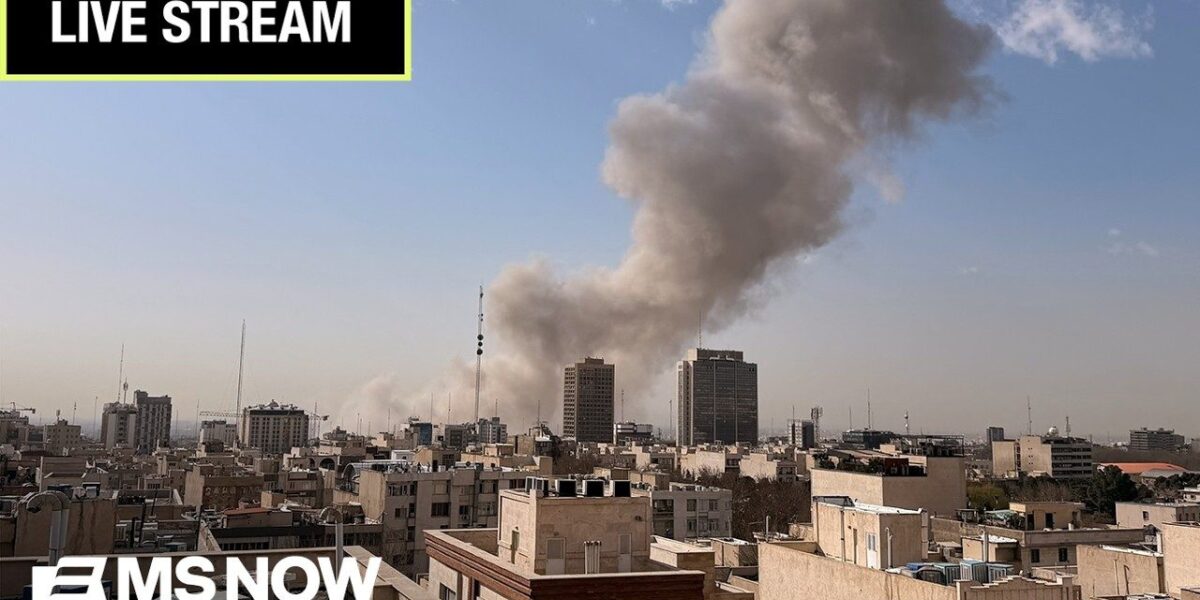
Guterres Addresses Security Council Amid Escalating Tensions
United Nations Secretary-General António Guterres delivered a stern address to the UN Security Council, urging “maximum restraint” from all parties following reported strikes by the United States and Israel against Iran. The remarks, made during a live broadcast from UN headquarters, underscored the gravity of the escalating regional tensions and the urgent need to de-escalate a volatile situation that threatens wider conflict.
Calls for De-escalation and Diplomacy
In his address, Secretary-General Guterres emphasized the paramount importance of avoiding any actions that could lead to a further escalation of the conflict. “I strongly condemn any attack on United Nations facilities and urge maximum restraint from all parties,” Guterres stated, highlighting the precarious state of regional security. His remarks came in the context of significant geopolitical developments, with the Security Council convening to discuss the unfolding events that have sent shockwaves across the international community.
“I strongly condemn any attack on United Nations facilities and urge maximum restraint from all parties.”
– António Guterres, UN Secretary-General
The Secretary-General’s plea for de-escalation is a critical component of the UN’s diplomatic efforts to prevent a full-blown regional war. The United Nations, as a global body dedicated to maintaining international peace and security, plays a pivotal role in such crises. Guterres’s words serve as a stark reminder of the potential consequences of continued hostilities, particularly in a region already fraught with complex geopolitical dynamics and long-standing conflicts. The UN chief’s direct appeal to the Security Council signifies the international community’s collective concern and the need for a unified response to avert further bloodshed and instability.
Broader Implications and Regional Instability
The reported strikes and the subsequent UN address occur against a backdrop of heightened geopolitical tensions in the Middle East. The region has been a focal point of international concern due to ongoing conflicts, proxy wars, and the presence of multiple state and non-state actors with competing interests. The involvement of major global powers, such as the United States, in conjunction with regional players like Israel, adds another layer of complexity to the already volatile situation.
Experts have long warned that any miscalculation or further escalation in the Middle East could have devastating consequences, not only for the immediate region but also for the global economy and international security. The interconnectedness of global markets means that disruptions in this vital energy-producing region can lead to significant price volatility and supply chain issues worldwide. Furthermore, a wider conflict could displace millions, exacerbate humanitarian crises, and create fertile ground for extremist ideologies to flourish.
The UN’s role in such circumstances is to provide a platform for dialogue, to mediate disputes, and to advocate for peaceful resolutions. Secretary-General Guterres’s pronouncements reflect the organization’s commitment to these principles, even as the challenges on the ground remain immense. The Security Council, tasked with the primary responsibility for maintaining international peace and security, faces the difficult task of navigating these treacherous waters, balancing the need to address aggression with the imperative to prevent catastrophic escalation.
The Path Forward: Diplomacy and International Cooperation
Moving forward, the focus remains squarely on diplomatic channels and the collective efforts of the international community to de-escalate the situation. The UN Secretary-General’s call for restraint is likely to be echoed by various member states, with many expected to urge a return to dialogue and adherence to international law. The effectiveness of these diplomatic efforts will depend on the willingness of all parties involved to step back from the brink and engage in constructive negotiations.
The coming days and weeks will be crucial in determining the trajectory of the current crisis. Observers will be closely watching for any signs of de-escalation, potential diplomatic breakthroughs, or, conversely, further provocations. The United Nations will continue to serve as a critical forum for these discussions, striving to uphold its mandate of peace and security in a world that is increasingly complex and challenging.
Source: LIVE: UN Secretary General delivers remarks on Iran strikes (YouTube)

Related Articles

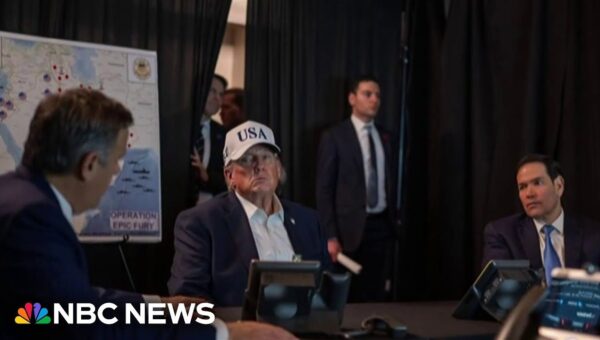
Trump: Iran Strikes Ahead of Schedule, Expects ‘Great Deal for World’
Three U.S. service members have been killed amid escalating conflict with Iran, President Trump confirmed. He stated that strikes are ahead of schedule, with senior Iranian leaders killed, and expressed optimism for a "great deal for the world" despite ongoing talks with Iranian officials.
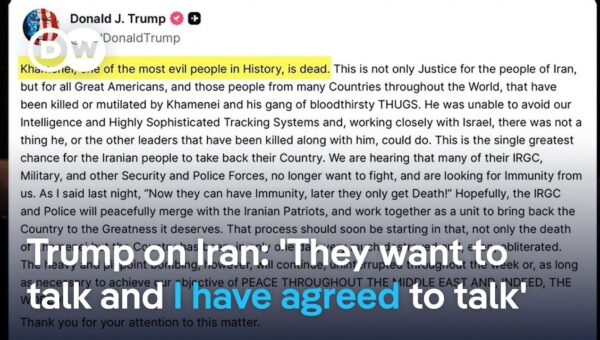
Trump Agrees to Talks with Iran After Major Strikes
President Donald Trump has agreed to talks with Iran's leadership following coordinated strikes that reportedly killed key figures, including the Supreme Leader. While Trump claims significant military successes, U.S. strategy remains unclear, and public opinion shows limited support for the actions amid rising American casualties.

Trump’s Putin Stance: US Strategy and Global Implications
Analysis suggests Donald Trump's approach to the Ukraine war involves pressuring Kyiv, but US involvement is crucial for resolution. China's influence and the 'MAGA' agenda's geopolitical implications are key factors.