UN Accuses Trump of Gross Human Rights Violations on US Soil
A UN committee has accused Donald Trump and his administration of gross human rights violations against immigrants and citizens on U.S. soil. The report cites dehumanizing language, racial profiling, and deaths in custody, prompting calls for investigation and potential international legal action.

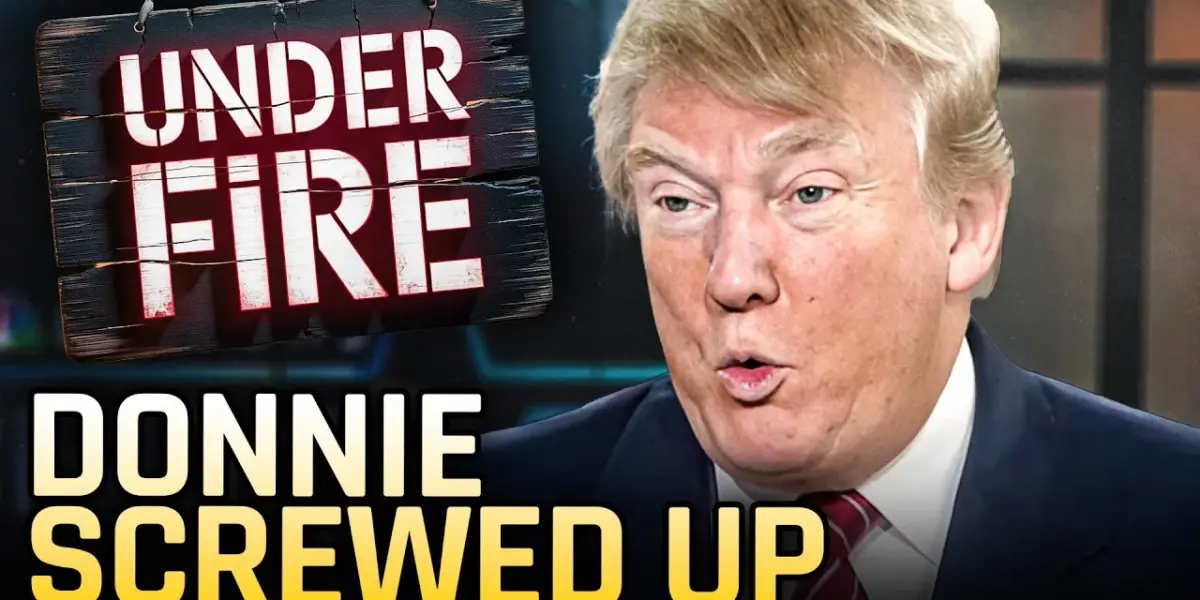
UN Committee Condemns Trump Administration’s Human Rights Record
In a development that has sent ripples through international and domestic policy circles, a United Nations committee has leveled serious accusations against former President Donald Trump and members of his administration, alleging gross human rights abuses occurred on U.S. soil. The UN Committee on the Elimination of Racial Discrimination, in a recent statement, expressed deep concern over the treatment of immigrants, refugees, asylum seekers, and even segments of the U.S. citizenry.
Dehumanizing Language and Systemic Profiling Cited
The committee’s report specifically highlighted the “growing use of derogatory and dehumanizing language and the dissemination of negative and harmful stereotypes targeting migrants, refugees, and asylum seekers.” This rhetoric, often emanating from high-level political figures including the president, is seen as potentially inciting racial discrimination and hate crimes. The report further underscored the “systemic use of racial profiling and arbitrary identity checks by ICE and CBP… against people of Hispanic, Latino, African, or Asian origin,” which has reportedly led to widespread arrests of vulnerable populations.
Adding a somber dimension to these allegations, the committee noted that eight individuals have died either in ICE custody or while protesting ICE actions since January of the current year. This figure, while potentially underreported in public discourse, paints a grim picture of the conditions and consequences faced by those interacting with U.S. immigration enforcement agencies.
“Petraying them as criminals or as a burden by politicians and influential public figures at the highest level, particularly the president, may incite racial discrimination and hate crimes. Racist hate speech by political leaders, including the president, combined with intensified immigration crackdowns in the United States, notably near schools, hospital, and faith-based institutions, has sparked grave human rights violations.”
Administration Rejects Findings, Cites Security Successes
The White House, through spokesperson Olivia Wales, swiftly rejected the UN committee’s findings, characterizing them as the product of “extreme bias” and questioning the credibility of the body. The administration defended its policies, asserting that President Trump was “delivering on his promise to make our country safe again.” As evidence, the statement pointed to a purported “plummeting murder rate to a 125-year low” and a “most secure border in history.”
However, critics argue these claims do not align with observable realities. The transcript suggests that crime rates in certain areas, particularly in cities and states governed by Republicans, have actually seen increases, with the success in reducing crime often attributed to Democratic-led policies rather than the administration’s immigration crackdowns. Furthermore, questions were raised about the effectiveness of border security, citing ongoing instances of individuals easily crossing the border and the continued need for ICE patrols on streets, which seems contradictory to the assertion of a fully secured border.
Historical Context and International Scrutiny
This is not the first time that U.S. immigration policies and rhetoric have drawn international scrutiny. Historically, the United States has faced criticism over its treatment of marginalized groups and its approach to border enforcement. However, the direct accusation of gross human rights violations by a UN committee, specifically targeting the actions and rhetoric of a sitting president, represents a significant escalation. The Trump administration’s often contentious relationship with international bodies like the UN, which it frequently criticized and sought to diminish, adds another layer to this development.
Implications and Future Outlook
The UN committee’s report, while unlikely to trigger an immediate, formal investigation by the U.S. government itself, carries significant weight. The transcript suggests that a domestic investigation leading to consequences is improbable unless Democrats regain control of Congress, potentially opening avenues for impeachment proceedings. However, the report’s findings could serve as crucial evidence for other international bodies.
Potential for International Criminal Court Involvement
One of the most significant implications is the potential for the International Criminal Court (ICC) to launch its own investigation. The UN committee’s conclusion could provide the necessary impetus and documentation for the ICC to pursue accountability for alleged human rights abuses committed under the Trump administration. While the U.S. is not a signatory to the Rome Statute that established the ICC, the court can still exercise jurisdiction if the alleged crimes occurred on the territory of a state party or if referred by the UN Security Council.
Civil Lawsuits and Accountability
Beyond international legal avenues, the report could empower civil lawsuits. Individuals who believe they have been victims of violence or discrimination directly incited by the administration’s rhetoric could potentially use the UN committee’s findings as evidence to support their claims. The report’s conclusion that the president’s words may incite violence provides a basis for establishing a link between inflammatory speech and harmful actions, potentially leading to winnable legal battles against specific individuals within the administration.
Why This Matters
This UN condemnation is more than just a diplomatic rebuke; it represents a formal acknowledgment by a global human rights body that the actions and rhetoric of the U.S. administration may have crossed the line into severe human rights violations. It underscores the universal applicability of human rights principles, regardless of a nation’s political standing or internal policies. The findings challenge the narrative of enhanced national security through potentially abusive means and bring into focus the ethical and legal responsibilities of leaders when addressing immigration and national identity.
The report serves as a critical document, providing ammunition for international legal bodies and potential plaintiffs in civil cases. While immediate domestic consequences may be limited, the long-term implications for accountability and the international perception of U.S. human rights practices are substantial. The situation highlights a critical tension between national sovereignty and international human rights law, and the role of global institutions in holding powerful nations accountable for their actions towards vulnerable populations.
Trends and Future Outlook
The trend of increasing scrutiny on human rights at home by international bodies reflects a growing global awareness and a willingness to challenge perceived injustices, even within established democracies. The future outlook suggests that such reports, while often politically charged, will continue to be a significant tool for advocacy and potential legal recourse. The effectiveness of these tools, however, often depends on the political will of international courts and the evolving geopolitical landscape. For now, the UN committee’s report stands as a stark reminder that actions and words have consequences, both domestically and on the international stage.
Source: Trump Accused of MAJOR Human Rights Violations (YouTube)

Related Articles
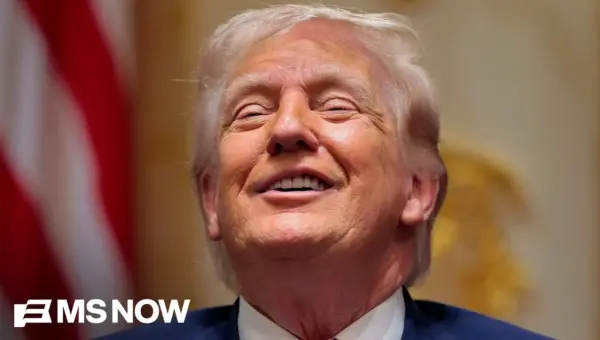
Trump’s Name Everywhere: A ‘Stain’ on GOP Legacy?
Former President Donald Trump's efforts to brand national symbols, including a proposed signature on dollar bills, spark debate. Critics view this as an authoritarian attempt to embed his legacy, potentially staining the Republican Party's history and contrasting with democratic ideals of public ownership.
Trump’s War Talk Stuns Financial Crowd
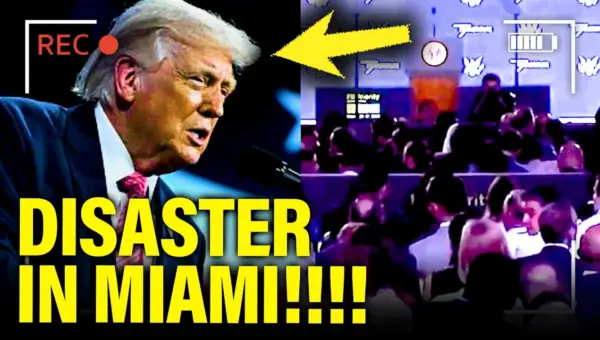
Donald Trump's recent speech in Miami focused on his foreign policy, particularly his critical views on NATO and his vision for international relations. He declared the U.S. would no longer defend NATO allies, questioned the value of existing alliances, and suggested renaming the Strait of Hormuz. The speech also touched on his personal views of success, his allies, and his perceived role as a global peacemaker.
Trump’s Warpath: New Threats Signal Imperial Ambitions
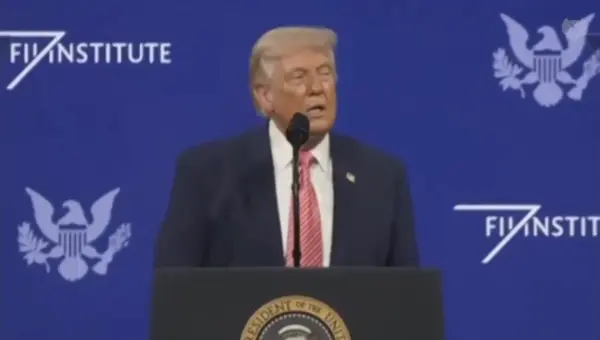
Recent statements from Donald Trump reveal a potential embrace of increased military action and interventionist foreign policy. This approach, characterized by critics as "imperialism 2.0," contrasts with his past promises of peace and has even drawn criticism from parts of his own base. The implications for U.S. global engagement and domestic priorities are significant.