Umpire’s Five Overturned Calls: A Strikeout in Early Innings
An umpire's challenging start saw five calls overturned in the first three innings, leading to a statistical breakdown of accuracy. Analysis reveals a concerning 80% error rate on critical calls, highlighting issues with positioning and strike zone interpretation.

Umpire’s Five Overturned Calls: A Strikeout in Early Innings
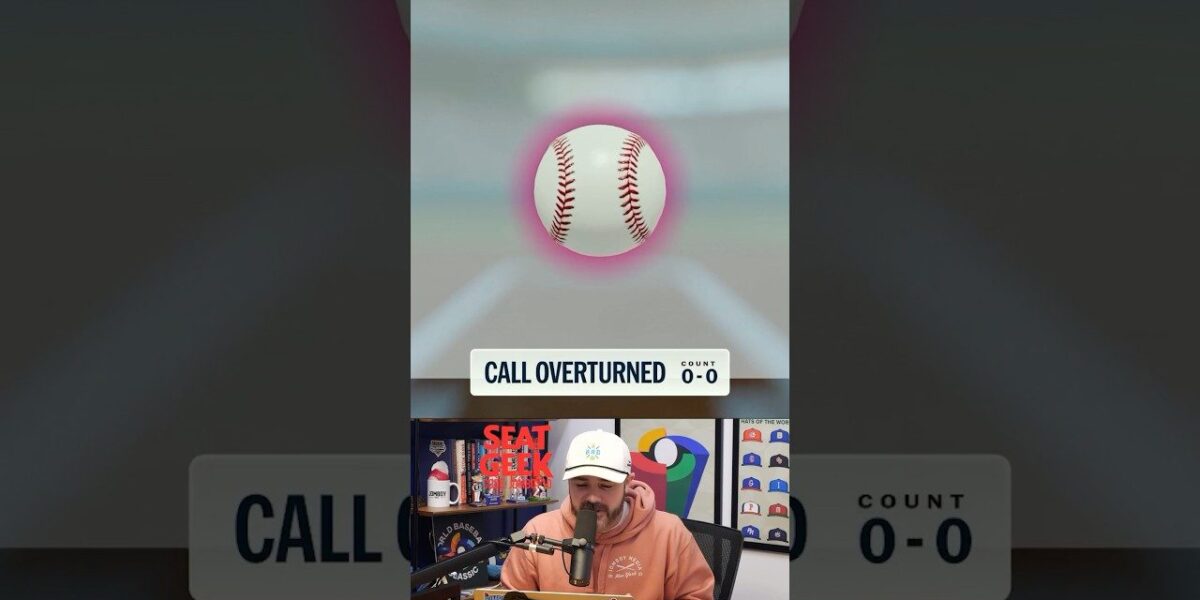
In a stunning display of officiating inconsistency, one umpire found himself under the microscope early in a recent game, with a staggering five calls being challenged and overturned within the first three innings. The barrage of challenges, brought to you by SeatGeek, highlighted significant issues with the umpire’s judgment, raising questions about the accuracy of calls on the field.
A Challenging Start
The umpire’s struggles began on the very first pitch of the bottom of the first inning. A call that left the catcher bewildered was quickly sent for review. The subsequent replay confirmed the initial ruling was incorrect, setting a tense tone for the game. This was just the beginning, as the same inning saw another call overturned. The umpire declared a pitch a strike, only for the batter to vehemently disagree, arguing the ball missed both low and away. The replay booth agreed, further fueling the scrutiny.
The top of the second inning offered no respite, with the Red Sox facing a similar situation. The first pitch of the inning, which appeared to be squarely in the zone, was called a ball. This call, like the others, was ultimately overturned. The transcript notes that the first three overturned calls were particularly egregious, with one appearing to be right down the middle, yet deemed incorrect.
The Edge of Controversy
While the initial calls were baffling, the breakdown did acknowledge that some calls are inherently difficult. “It’s on the edge anywhere. Things happen. This is why it’s here to overturn it quickly,” the analysis stated regarding a call that was correctly overturned after being ruled a ball but appearing to be a strike.
However, the trend of questionable calls continued into the bottom of the third inning. Another pitch, this time clearly below the strike zone, was initially called a strike. This, too, was overturned, reinforcing the narrative of a difficult outing for the officiating crew.
Statistical Scrutiny: Five Wrong Out of 26
The article delves into the statistical reality of the umpire’s performance. While a surface-level look might suggest a low error rate based on total pitches, a deeper analysis reveals a more concerning picture. The transcript explains that out of 152 pitches thrown in the first three innings, many were not subject to umpire judgment.
“The numbers always fascinate me on this because it’s like, oh, I had five calls out of 152 pitches. Well, a lot of those pitches were swung at, meaning the umpire isn’t needed. The guy swings, you don’t need to call balls or strikes,” the analysis pointed out.
Further refining the data, the breakdown excluded pitches that were swung at, hit by a pitch, or pitches where the catcher made no attempt to frame the call. This rigorous process narrowed the number of critical calls the umpire had to make down to just 26. Of these 26 crucial decisions, five were incorrect, resulting in an 80% accuracy rate. The question posed is stark: “Is that good?”
The Angle of Deception: Why Calls Go Wrong
The article offers insight into the physical challenges umpires face, particularly concerning their positioning and the resulting angles. “The umpires who do this are very susceptible to wrong calls on the outside of the plate cuz their head is on the inside and they’re looking across at the outside. So when that ball comes, they don’t have an angle right behind the plate. you know, angles are deceptive,” the analysis explained.
A particularly baffling call involved an umpire setting up inside with a lefty batter, yet making an incorrect call on a pitch that appeared to be in the zone. The analysis suggests the umpire may have “just froze” on this particular pitch.
The Crouching Tiger, Hidden Strike Zone
A significant point of contention revolved around the definition of the strike zone, particularly in relation to a batter’s stance. The transcript highlights a situation where a called strike was made, and immediately after, the batter, Contreras, stood upright. The analysis then meticulously compares the pitch’s crossing point with Contreras’s crouched stance.
“So, if the umpire is using that as a reference, it’s not the actual strike zone. The umpire has to take into account where his knee would be standing up,” the breakdown emphasized. The visual evidence showed the ball was above the zone when the batter was standing, yet below the zone based on the crouched position being used as a reference for the ABS (Automated Ball-Strike) system’s strike zone.
This discrepancy leads to a critical observation: “So batters are going to know their personal strike zone, the bottom of their zone better than umpires because they carry it with them everywhere they go.” This implies that players, through their natural stances and adjustments, possess an intimate understanding of their own strike zone that can be more consistent than an umpire’s interpretation, especially when dealing with the nuances of player movement and perspective.
This breakdown was made possible by SeatGeek, sponsoring the analysis of these critical moments in baseball.
Source: Umpire had 5 calls overturned in the first 3 innings, a breakdown #baseball #umpire #abs #challenges (YouTube)

Related Articles

Pitchers Lose Trust in Umps, Challenge Calls After Blown Strike Zone
A controversial strike zone call and subsequent review has pitchers questioning umpire accuracy, potentially leading to fewer challenges and a shift in in-game strategy. The incident highlights the ongoing debate around technology's role in baseball.


Manning on Red Sox Dream: ‘Big Deal’
Eli Manning, the legendary former NFL quarterback, revealed a childhood dream of playing for the Boston Red Sox. Despite a storied career with the New York Giants, Manning admitted the allure of the historic franchise was a 'big deal' for him growing up.


PCA’s Youth Baseball Mantra: Keep It Fun!
PCA, a former player, urges young athletes to prioritize fun in sports, emphasizing that enjoyment is the best foundation for a successful and fulfilling athletic journey. He reflects on his own career, noting the challenges of maintaining that initial joy amidst professional pressures.