Umpire Blunder Costs Japan in 2006 WBC Classic
A controversial call on a baserunner in the 2006 World Baseball Classic gifted the USA a lead against Japan, despite conflicting replay evidence. The decision, made by an out-of-position umpire, remains a debated moment in baseball history.

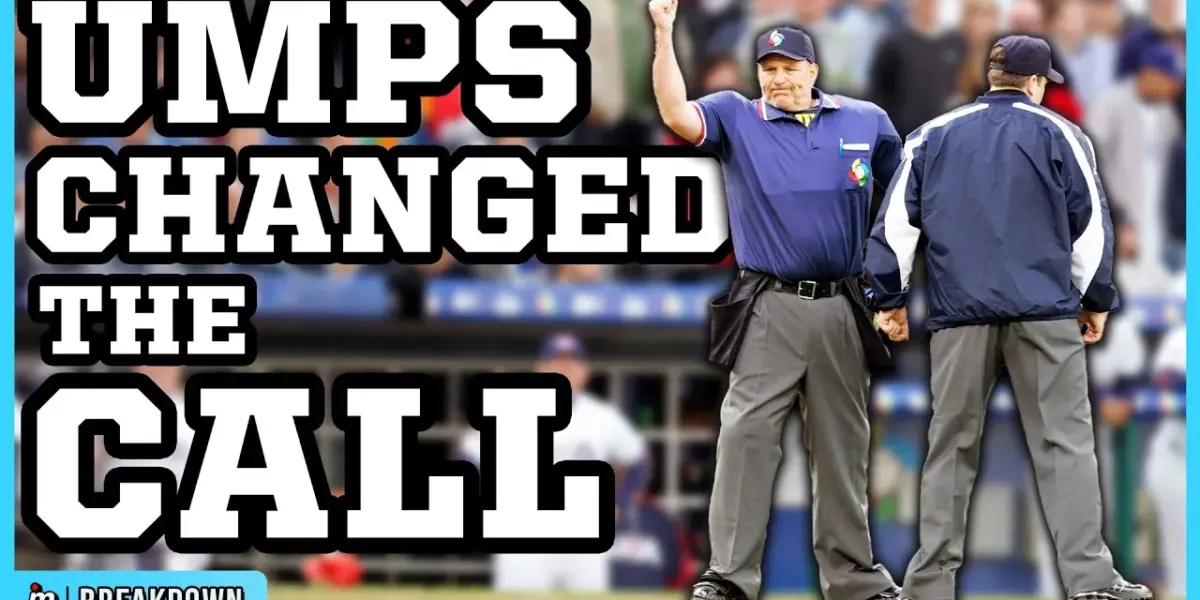
Umpire Blunder Costs Japan in 2006 WBC Classic
The inaugural World Baseball Classic in 2006 delivered a thrilling, albeit controversial, showdown between rivals Japan and the USA in Anaheim. In a game tied 3-3 entering the eighth inning, a controversial call on a baserunner leaving third base would ultimately decide the outcome, leaving a bitter taste for Japan and a lasting question mark over the integrity of the game.
Tension Mounts in the Eighth
With Joe Nathan on the mound for Team USA, looking to hand the ball over to Brad Lidge for the ninth, the pressure was palpable. The inning began with a foul ball off Brian Schneider’s mask, a sign of the physical battle unfolding. After a single put a runner on first, a sacrifice bunt attempt led to a strong defensive play by Carlos Lee, who, despite a brief moment of concern for his health, secured the out.
The situation escalated when the runner on first stole second. A throw from Derek Jeter couldn’t get him, and then Nathan hit the next batter, putting runners on first and second with one out. Another pitch struck Schneider’s mask, highlighting the difficulty for the US defense. With a 2-1 count, a pitch was called low, much to the chagrin of the US dugout, who vehemently argued it was a strike.
The Controversial Call
The game remained tied as the eighth inning progressed, with Japan loading the bases. A sacrifice fly to center field scored the go-ahead run for Japan, putting them up 4-3. The focus then shifted to preventing further damage. The next batter hit a ball to left field, where Randy Winn made the catch. Winn’s throw to the plate aimed to prevent the runner from tagging up and scoring, but the throw was deemed late.
However, in a pivotal moment, the umpires ruled that the runner had left third base early. A subsequent appeal to third base was made, and the second base umpire, who was reportedly out of position to make the call, upheld the out. This decision, which should have been the home plate umpire’s to make, ignited a fierce debate.
“Did he go? Did he go? They say no. I’ve got news for you, Blue. He did. 20 years later, I’m coming for you. That’s a swing.” (Referring to the earlier pitch call)
“They say he left early. They say he left early. We’re going to appeal that… And that umpire, who’s a second base umpire, says, ‘No, he did not leave early.'” (Describing the controversial call)
“Buck Martinez comes on the top step. He says, ‘Bop, that’s your call. That’s not his call.’ And what he’s saying is correct. Here’s the play again. You can see this umpire, second base umpire. You can see him on the bottom left. He’s running across the screen. He’s not in position to make that call. That call is actually the home plate umpire’s call. He’s the one that has the view.” (Analyzing the officiating)
Conflicting Replays and Lingering Doubts
Adding to the controversy, the broadcast replay footage presented conflicting narratives. Initially, synced footage appeared to show the runner leaving early. However, a second presentation of the synced footage, possibly by a different editor, clearly indicated the runner had not left early. This discrepancy left viewers and participants with no definitive answer, as the broadcast offered two opposing versions of the same event.
The confusion and frustration were evident. The home plate umpire reportedly conferred with the second base umpire, acknowledging the call was his to make and expressing his belief that the runner had not left early. However, the damage was done, and the call stood. Japan’s manager argued passionately through an interpreter, but the call was final.
The Aftermath and What It Means
While the controversial call heavily influenced the game’s immediate outcome, it didn’t prevent Japan from ultimately winning the entire tournament. In the ninth inning, with the bases loaded and two outs, Alex Rodriguez hit a walk-off single for Team USA, securing a 7-3 victory. For the USA, it was a moment of triumph, but for Japan, the sting of the controversial eighth-inning call lingered.
The incident remains a prime example of how officiating, even with the benefit of replays, can lead to irresolvable debates. The conflicting broadcast footage ensured that the truth of whether the runner left early would likely never be definitively known. As the breakdown concludes, the sentiment is clear: without conclusive evidence, any firm opinion on the call is impossible, leaving this moment as a permanent, unresolved question in WBC history.
This breakdown was brought to you by T-Mobile.
Source: We will never know if the umps got this call right, a breakdown (YouTube)

Related Articles


WBC Sparks Inclusion Debate: Baseball for Everyone!
The World Baseball Classic is sparking a conversation about inclusivity in baseball. The message is clear: the sport is for everyone, whether you're a casual observer or a die-hard fan.


Harper Fuels USA’s World Baseball Classic Ambitions
Bryce Harper joined The Pat McAfee Show, expressing immense pride in representing Team USA at the World Baseball Classic. He emphasized "owning the moment" and bringing swagger back to American baseball.

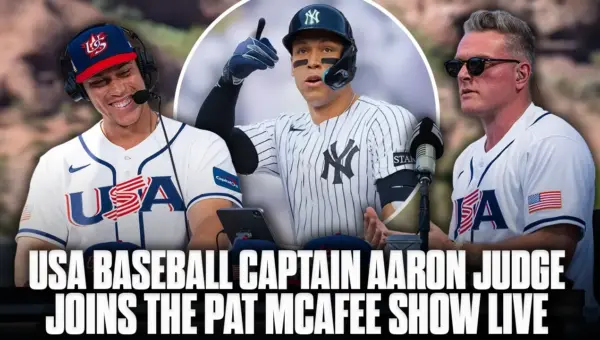
Judge Leads ‘Best of the Best’ for USA Baseball Ambition
Team USA Captain Aaron Judge discusses the star-studded roster, his leadership philosophy, and the pride of representing the United States in the upcoming international baseball tournament. He emphasizes the team's readiness and determination to bring home the championship.