UK’s Silent Stance Risks US Alliance Amidst Iran Tensions
The UK's 'tepid response' to Iran tensions has sparked alarm, potentially straining its historic alliance with the US. This analysis delves into the geopolitical shifts, US public opinion, and the diminishing role of international bodies.

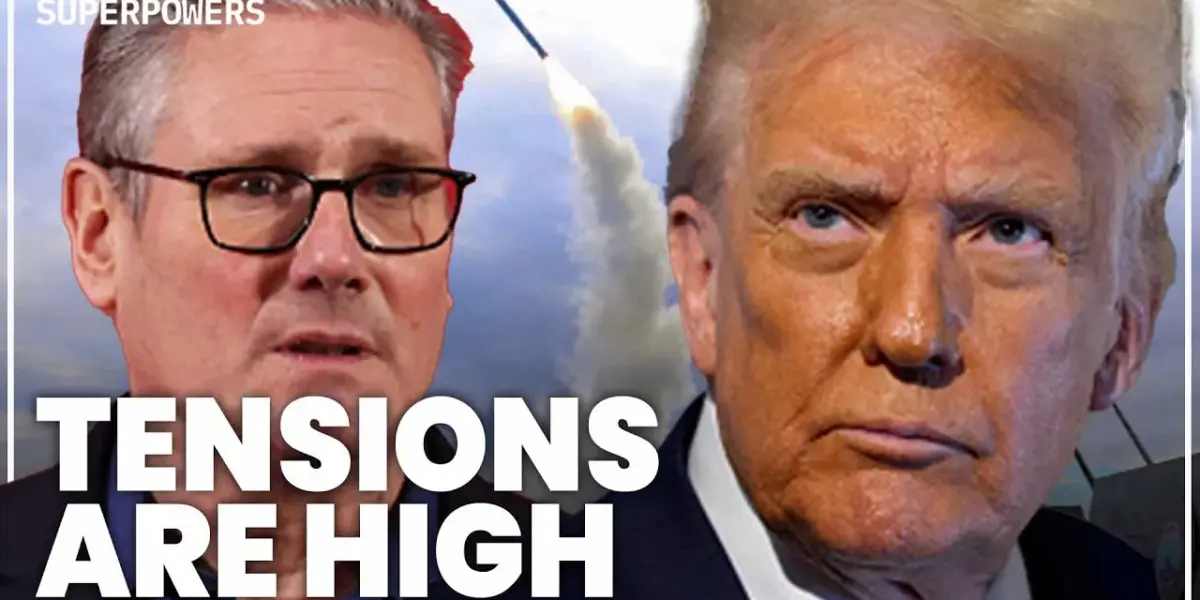
UK’s Hesitation on Iran Sparks Concern Over US Alliance
A significant rift appears to be widening between the United Kingdom and the United States, particularly in the wake of the UK’s perceived lukewarm response to recent actions concerning Iran. This divergence in approach, especially during a critical geopolitical moment, has raised questions about the enduring strength of one of the world’s most historically close bilateral relationships. The interview highlights a startling lack of unified action, prompting an examination of the underlying reasons and potential ramifications.
A ‘Tepid Response’ and Shifting Alliances
The core of the concern stems from what is described as a “tepid response” from the UK, represented by Labour leader Keir Starmer, to escalating tensions involving Iran. This is viewed as a departure from the long-standing tradition of alignment between the two nations, regardless of which party was in power. The analysis suggests that this lack of a robust, unified stance is not only surprising but also deeply disappointing to allies and partners.
“To me I jumped in when you get expressed your view because yes I find it quite startling and shocking that of all of our allies and partners and friends um that the response has been a very tepid one to say the least.”
This sentiment is echoed by the observation that the UK’s engagement has been minimal, extending only to allowing the use of two distant bases for defensive purposes. Such a limited involvement is seen as a stark contrast to historical precedents where unity and close cooperation were the norm.
US Patience and Public Opinion on Iran
The patience of the US administration and its public are critical factors in understanding the current dynamic. The administration has stated that the operation will continue “as long as it takes,” viewing the situation as a direct threat to the US, its regional allies, and specifically Israel. While military briefings suggest a timeframe of weeks, the official stance is one of no time limits.
Public opinion in the US presents a complex picture. Polling indicates significant concern among Americans regarding Iran’s nuclear ambitions, with over 75% expressing fear of this threat. Furthermore, a substantial majority (over 79%) support measures to contain or eliminate terrorism and the activities of proxy groups sponsored by Iran.
However, alongside these deep-seated concerns, there is also public apprehension about the duration and potential impact of military operations, especially when American troops are not directly involved on the ground. This duality – strong concern about the threat, coupled with anxiety about the commitment required – creates a nuanced public sentiment.
The UN’s Diminished Role
The analysis also touches upon the diminishing relevance of the United Nations in contemporary global security discussions. Comparing the current situation to 2003, when significant efforts were made to engage the UN, the current invisibility of the organization is striking. This observation suggests a broader shift in the global order, where traditional multilateral institutions are being sidelined in favor of unilateral or bilateral actions.
Historical Context and the ‘America First’ Doctrine
The discussion inevitably leads to the broader foreign policy agenda of the current US administration, often characterized by an “America First” approach. While some argue that this doctrine implies a reduced need for allies, others suggest that the US public might actually become angry at countries that do not stand with them during critical times.
The historical relationship between the UK and US has been characterized by deep trust and consistent collaboration. From the post-World War II era through various global crises, the two nations have largely presented a united front. The current divergence, therefore, is not just a policy disagreement but a potential rupture in a foundational alliance.
Implications and Future Outlook
The implications of this strained relationship are far-reaching. A weakened UK-US alliance could embolden adversaries and create instability in a volatile region. It also raises questions about the future of international cooperation on critical security issues.
The interview also probes the US administration’s approach to coalition-building. One perspective suggests that the current White House may not prioritize investing in and valuing coalitions, a stark contrast to previous administrations that meticulously “rolled the pitch” for allies. While the US State Department is reported to have engaged diplomatically, the effectiveness and depth of this engagement are being questioned.
A Reshaping World Order
The broader geopolitical landscape is described as undergoing rapid and dramatic shifts. The US is simultaneously asserting its influence in the Western Hemisphere, seeking to redefine its relationship with Russia, confronting Iran, reshaping ties with Europe and NATO, and driving competition with China. The question remains whether the US has the bandwidth and the strategic vision to manage these multifaceted challenges effectively.
The Trump administration’s foreign policy is characterized by a departure from traditional frameworks. This includes a strong push for burden-sharing within NATO, leading to significant pledges from member states, and economic rebalancing through tariffs. The decisive action in Venezuela, preceded by an emphasis on negotiation, is cited as an example of this administration’s willingness to use force after exhausting diplomatic avenues, often referencing a philosophy of “peace through strength.”
Why This Matters
The UK’s perceived reluctance to align firmly with the US on the Iran issue is more than a diplomatic hiccup; it signals a potential fracturing of a cornerstone alliance at a moment of significant global instability. The strength and reliability of the UK-US partnership have long been a stabilizing force in international affairs. A weakening of this bond could have profound consequences, impacting everything from regional security in the Middle East to the broader balance of power in the 21st century. The willingness of allies to stand together, or their tendency to drift apart, will significantly shape the global response to emerging threats and define the contours of international relations for decades to come.
Source: UK-US alliance under threat after Starmer gives ‘tepid response' to Trump’s Iran War (YouTube)

Related Articles

Bombed Hospitals, Deported Families: War’s Hidden Human Cost
Beyond the geopolitical headlines, the true cost of escalating conflicts like the one involving Iran, Israel, and the U.S. is borne by civilians. Doctors Ida Brown and Sonia Sloan highlight the devastating impact on healthcare infrastructure, the erosion of moral authority, and the dangerous desensitization to mass atrocities. The piece also exposes a profound hypocrisy within the U.S., where military service members can face deportation for their undocumented family members.

US Iran War: Trump’s Policy Shakes Allies, Risks Election
The United States has launched an unexplained war in Iran, sparking concern among allies and domestic voters. The conflict's unclear objectives and potential impact on upcoming elections are major points of contention. Russia's global standing is also affected, with its alliances weakening.
GOP Rhetoric Fuels Christian Nationalist ‘Crusade’ Fears
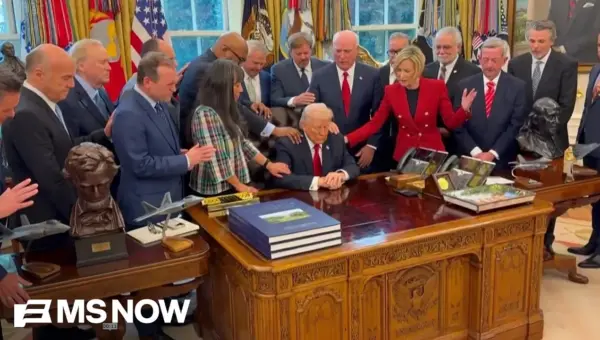
Concerns are rising over the infusion of Christian nationalist ideology into U.S. foreign policy, with critics warning of a 'crusade' mentality. Rhetoric from some Republican figures frames international conflicts and domestic issues through a specific religious lens, sparking fears of alienation and a departure from secular governance.