Ukrainian Pysanky: A Hidden Art of Resilience
The traditional Ukrainian art of Pysanky, or decorated Easter eggs, involves intricate wax-resist dyeing techniques passed down through generations. This practice serves as a powerful symbol of cultural heritage and resilience, especially for the Ukrainian diaspora.

Ukrainian Pysanky: A Hidden Art of Resilience
In a world often focused on the immediate and the tangible, the intricate art of creating Ukrainian Pysanky eggs offers a profound connection to tradition and resilience. For over three decades, Anna has dedicated herself to this ancient craft, a practice deeply woven into the fabric of Ukrainian culture, especially within its diaspora. This method, passed down through generations, transforms simple eggs into vibrant symbols of heritage.
The process begins with a tool called a kistka. This specialized instrument is loaded with beeswax, which is then heated until it melts. The melted wax acts much like ink in a calligraphy pen, allowing the artist to draw directly onto the egg’s surface. Wherever the wax is applied, it acts as a protective layer, preventing the dye from reaching the shell beneath. This is how intricate white lines and patterns are preserved amidst a riot of color.
Dyeing is a meticulous, layered process. Artists begin with the lightest colors, gradually building up the intensity by adding darker shades on top. The design itself often starts with simple lines radiating from the center. From these foundational elements, more complex shapes and details are carefully added, building outwards. It is a methodical approach, where each stroke and each layer of dye contributes to the final masterpiece.
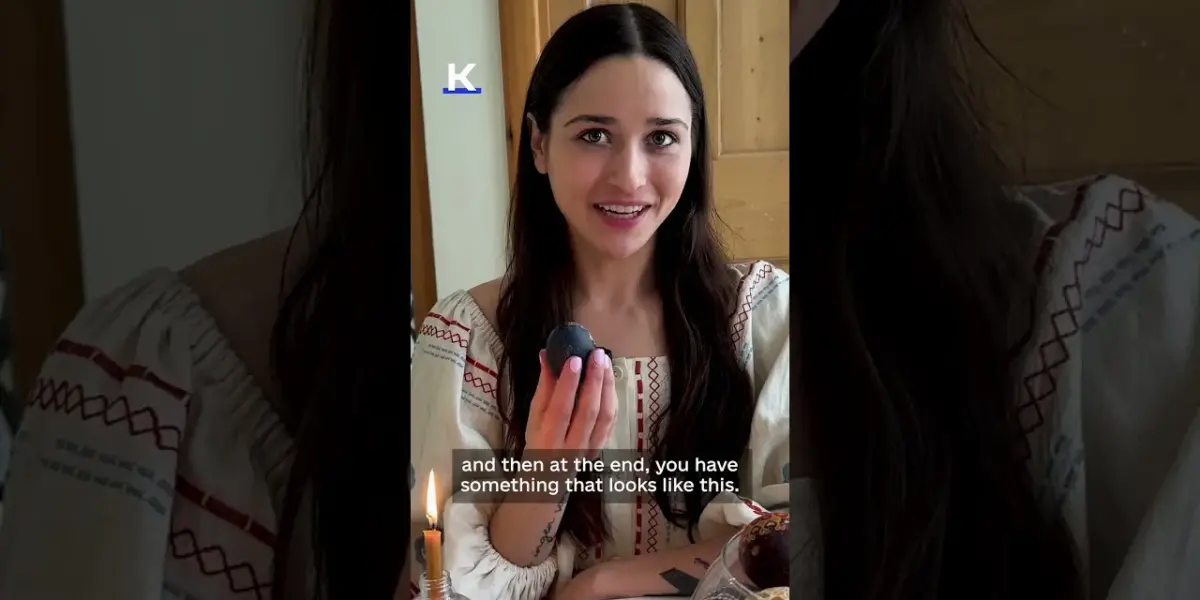
As the Pysanky nears completion, it may appear unfinished or even unappealing, covered in layers of wax. However, a crucial step follows: the gentle melting of the wax. This reveals the hidden artwork beneath, a moment of dramatic transformation. This final reveal is one of the most captivating aspects of Pysanky creation. It is a moment of suspense, as the artist, like the viewer, cannot be entirely sure of the final outcome until the wax is removed.
The Surprise of the Reveal
The last step is a reveal. You don’t know what it’s going to look like before you take the wax off. Sometimes it’s much cooler than you expected, and sometimes it is much uglier than you expected, but it’s cool that the last step is always a little bit of a surprise.
This element of surprise adds a unique dimension to the art form. It mirrors the unpredictability of life itself, where careful planning and execution can still lead to unexpected, sometimes wonderful, results. The process can also be delicate; once the wax is removed and the egg is emptied, the shells become more fragile, requiring careful handling.
A Connection to Heritage
Anna’s journey with Pysanky began in childhood, following in the footsteps of her parents. This tradition holds particular significance for the Ukrainian diaspora in countries like the United States and Canada. For many, Pysanky is more than just an Easter decoration; it is a tangible link to their ancestral homeland. The distinct scent of beeswax, for Anna, evokes a powerful sense of nostalgia, serving as a comforting reminder of home, no matter the distance.
The meticulous nature of Pysanky creation, with its reliance on precise application of wax and layered dyeing, requires patience and skill. It is a practice that demands focus and a steady hand, much like the careful planning and execution required in many aspects of life. The tradition’s persistence, especially among younger generations and within diaspora communities, speaks to its enduring cultural importance.
Strategic Implications
While seemingly a simple craft, the continuation of Pysanky making holds broader cultural significance. In times of national upheaval or diaspora, such traditions become vital threads connecting people to their identity and history. The art form serves as a quiet act of cultural preservation, ensuring that heritage survives and thrives even when physical connections to the homeland are strained or broken. The shared practice and knowledge of Pysanky creation can foster a sense of community and collective memory among Ukrainians around the world.
Source: How pysanky are made: A Ukrainian Easter tradition explained (YouTube)

Related Articles


Maul’s Shadow Lord Unleashed: Dark Secrets Revealed!
The dark side looms large in Star Wars: Maul - Shadow Lord! The first two episodes reveal shocking connections, a daring heist, and Maul's quest for a new apprentice. Get ready for a deep dive into the criminal underworld and Maul's complex past.


China Builds Quiet Power: Business, Diaspora, and U.S. Influence
The Chinese Communist Party is strategically building influence in the U.S. through business deals, diaspora networks, and long-term relationship cultivation. These subtle operations, often disguised as opportunities, are spreading in plain sight across various sectors. Understanding this system is vital for recognizing and addressing foreign influence.


Mario Movie’s Galaxy Secrets Revealed!
The Super Mario Galaxy movie is a deep dive into Easter eggs and fan-favorite details. From Rosalina's cosmic home to Yoshi's chaotic arrival, the film is packed with references to the beloved game series. Discover hidden nods to classic titles and understand the inspirations behind the movie's vibrant world.