Ukraine’s Tech War: Drones and Daring Innovations
Bluebird Tech is at the forefront of Ukraine's rapid military innovation, developing tools like the Chuka drone detector that allow soldiers to see live Russian drone feeds. Their success hinges on a fast feedback loop with soldiers, enabling quick product improvements. This agile approach, combined with a push for NATO compliance, positions Ukrainian tech companies as key players in future global defense.

Ukraine’s Tech War: Drones and Daring Innovations
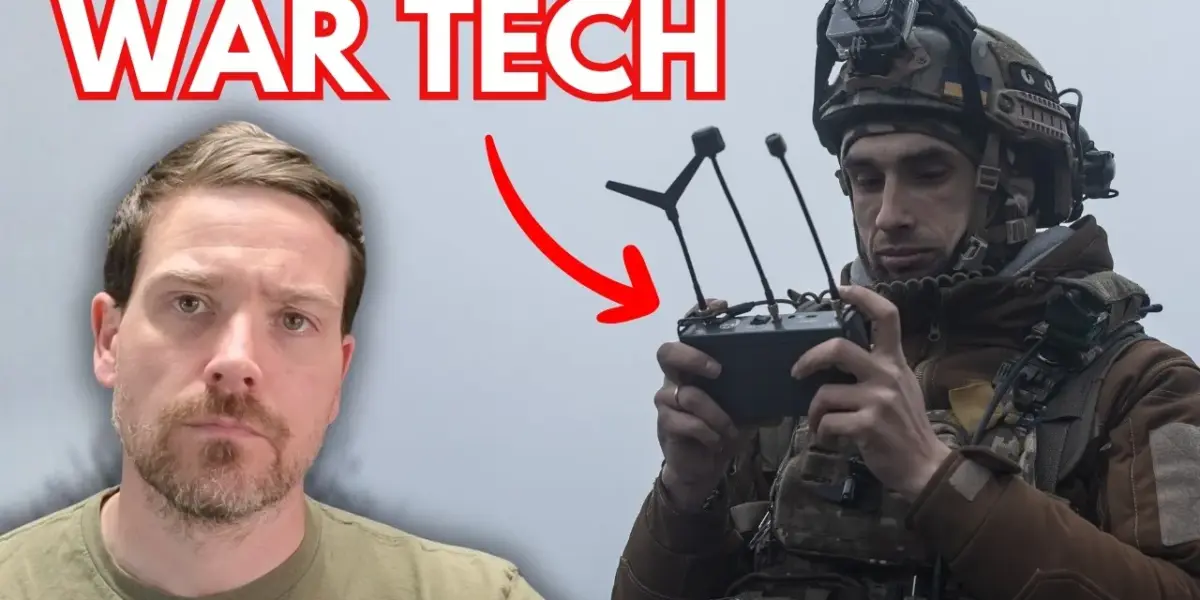
The battlefield in Ukraine is a hotbed of fast-paced technological change. Soldiers are facing problems that didn’t exist even a year ago. On a modern battlefield, there’s no time to wait for solutions; lives are on the line every second. Bluebird Tech is a company leading this charge in military innovation. They make tools like the Chuka drone detector. This device lets Ukrainian soldiers see and stop Russian drone feeds live.
Seeing Through the Enemy’s Eyes
Valerie Zerubin, co-founder of Bluebird Tech, and Igor Flip, who manages their U.S. branch, Zerubet, explain how their products work. The Chuka is a personal drone detection system. It can capture video signals from enemy drones. This means soldiers can see exactly what the drone operator sees. If a drone is looking at their position, they can see it. This gives them precious time to move or hide.
“You can catch the video frequency from the drones and see what exactly the operator of drone see and maybe you can see your vehicle or your position and change position,” Zerubin explained. This system can pick up drone signals within about 4 kilometers. Soldiers can monitor multiple drones at once. This helps them understand the surrounding area and identify threats.
The Chuka can detect different types of drones. It works with analog and digital video drones. For fiber optic drones, Bluebird Tech is developing other solutions, though they are not yet in stock.
From Soldier Feedback to Product Improvement
A key strength of Bluebird Tech is its rapid research and development loop. Products are sent to soldiers on the front lines. They provide feedback, often through text messages, about what works and what doesn’t. This feedback is quickly used to improve the products. “We have chats like in a messengers with our soldiers. So we will get text from them. So could you change this button because it’s not convenient to push this button in gloves. Yes, we can,” said Zerubin.
This direct line to users allows for quick updates. Soldiers might text about a button being hard to press with gloves or suggest other small but important changes. This process ensures the technology stays relevant and effective in real combat situations. The company also offers repair services, making sure their devices can be fixed quickly if needed.
Navigating the Defense Market
Unlike the often rigid defense industry in the United States, Ukrainian companies like Bluebird Tech seem to have more flexibility. They started by building direct relationships with soldiers. Now, they also work closely with the Ukrainian Ministry of Defense. To meet international standards, their products are being made NATO codified. This means they receive a NATO stock number, making them easier for NATO countries to purchase.
This move towards NATO compliance is strategic. It opens up possibilities for selling products worldwide, especially to NATO allies. The Ukrainian government supports this, recognizing that the combat experience gained in this war offers valuable lessons for other nations. “The government of Ukraine also works around this question. So they understand that experience of Ukraine companies, R&Ds, engineers, soldiers can be useful for our partners,” Flip noted.
A Glimpse into Future Warfare
The war in Ukraine is a testing ground for new military technologies. Innovations seen here are likely to influence future conflicts globally. Bluebird Tech is not just focused on the present; they are looking ahead. They are incorporating artificial intelligence (AI) and computer vision into their products. This includes developing new drones with greater range and capacity than existing models, like the Russian Molnia.
They are also exploring advanced solutions like net launchers. These devices can physically capture drones. They can even be launched from other drones, offering a versatile way to deal with aerial threats. The company is also working on solutions for fiber optic drones, which are harder to detect and jam.
Collaboration and Competition
The Ukrainian defense tech sector is dynamic. Companies and even military brigades sometimes compete for the best solutions and talent. However, there’s also a spirit of collaboration. The war has fostered a more horizontal structure in Ukraine, encouraging cooperation. This contrasts with more vertical, top-down approaches seen elsewhere, which may be less adaptable in the long run.
“Ukraine more horizontal society and we have more opportunity for collaboration,” Zerubin stated. This collaborative environment allows for rapid problem-solving and innovation, crucial in a high-intensity conflict.
Why This Matters
The innovations emerging from Ukraine are not just about winning a current war; they are shaping the future of warfare. Technologies like real-time drone feed interception and rapid product development based on battlefield feedback are becoming essential. For countries like the United States and its NATO allies, paying attention to these developments is vital. By adapting these proven technologies, militaries can enhance their own capabilities and better prepare for future threats.
Looking Ahead
Bluebird Tech plans to continue refining its AI capabilities and software integration. They aim to create more user-friendly interfaces and better data analysis tools. The goal is to provide soldiers with the most effective technology possible. The company’s ability to adapt quickly to the evolving needs of the battlefield makes it a key player in modern defense innovation.
Source: Ukraine Is Watching Russian Drone Feeds Live (YouTube)

Related Articles


Trump’s NATO Insults Spark Global Outrage, Allies Push Back
Former U.S. President Donald Trump's leaked private remarks, filled with insults aimed at NATO allies, have sparked international outrage and calls for European self-reliance. The comments highlight growing concerns about U.S. reliability and the potential for a long-term split in transatlantic relations. The discussion also touched upon domestic UK issues, including NHS strikes and political shifts, alongside a unique debate on marmalade regulations.


Russia Claims Luhansk Control Amid Diplomatic Stalls
Russia rejected Ukraine's Easter ceasefire proposal, citing unclear terms and shifting blame to Kyiv. Meanwhile, Moscow's claims of full control over Luhansk are contradicted by Ukrainian forces and battlefield data. The conflict's economic impact is also growing, with Ukrainian drone strikes significantly reducing Russia's oil export capacity.


Trump’s Policies Fuel Global Instability, Empower Rivals
Critics argue Donald Trump's policies are weakening NATO, benefiting Russia, and escalating conflicts, particularly in the Middle East. These actions are reportedly causing global instability, impacting markets, and shifting geopolitical power dynamics.