Ukraine’s Drones Undermine Russian Black Sea Dominance
Ukraine's strategic use of naval drones is undermining Russia's Black Sea fleet, while diplomatic efforts face hurdles with Hungary delaying EU aid and Russia distancing itself from a US peace initiative. Meanwhile, Taiwan reinforces its defenses against China, and Denmark heads to elections amid global tensions.

Ukraine’s Naval Drones Challenge Russian Black Sea Fleet
Ukraine’s innovative use of naval drones has significantly degraded Russia’s Black Sea fleet, turning once-dominant warships into vulnerable targets. This shift in maritime control is a key factor behind recent Russian warnings about threats in the Black Sea, according to military analysts.
Kremlin Distances Itself from Trump’s Peace Initiative
The Kremlin has stated it has not yet formed a position on joining a U.S.-backed peace initiative, signaling a cautious approach. Kremlin spokesperson Dmitry Peskov indicated Moscow is in no rush to commit to the project.
Meanwhile, the initiative itself is facing early challenges. Indonesia is reportedly considering withdrawing from the proposed peace council, which was intended to oversee Gaza. Tensions have escalated across the region following U.S. and Israeli strikes on Iran, casting doubt on the council’s future before it has fully materialized.
EU Faces Obstacles in Ukraine Aid Delivery
Months after a unanimous agreement in December for a 90 billion euro aid package to Ukraine, its full implementation is facing delays. Hungary has been a primary source of these delays, linking its support to issues concerning Russian oil flows through the Druzhba pipeline.
This situation highlights a broader concern within the European Union: the ability to follow through on previously made decisions when they become politically inconvenient. European leaders have expressed frustration, with some calling Hungary’s actions not negotiation but obstruction. The emphasis is shifting from persuasion to pressure, as leaders stress that agreed-upon decisions must be honored and cannot be renegotiated based on shifting political winds.
European Council President Antonio Costa reiterated the need for the 90 billion euro loan to Ukraine to be implemented without delay. Ukraine has agreed to welcome an EU mission to provide technical assistance and funding for the repair of the Druzhba pipeline, which was targeted by Russian strikes. While energy security concerns are acknowledged, they are not seen as a valid reason to delay or weaken support for Ukraine.
Ukraine’s Strategy Forces Russian Dilemmas
Recent Ukrainian gains in the south have created complex challenges for the Russian military command. Analysts at the Institute for the Study of War suggest Ukraine has imposed competing dilemmas on Russia, disrupting its preparations for a potential spring-summer offensive.
Russian forces are reportedly struggling to allocate resources effectively, facing choices between reinforcing areas in the Zaporizhzhia region, the north near Khenson, or a buffer zone. The inability to reinforce one axis without weakening another, coupled with a lack of large-scale troop redeployments or significant equipment buildup, indicates a dispersion of Russian efforts rather than a concentrated offensive push. This situation directly undermines the possibility of significant Russian breakthroughs in 2026.
FPV Drones Take Down Advanced Russian Aircraft
Ukraine’s campaign of short-range strikes against Russian rear areas is increasingly degrading both offensive and defensive capabilities. This allows Ukrainian forces to make tactical gains while hindering Russia’s ability to conduct artillery preparations for anticipated offensives.
In a notable incident in the Pokrovsk sector, an FPV drone destroyed a Russian Ka-52 Alligator attack helicopter, valued at approximately $16 million. The strike was carried out by operators from Ukraine’s 59th Separate Motorized Infantry Brigade of Unmanned Systems. Although the crew ejected, follow-up drone reconnaissance confirmed the pilots were eliminated. The Ka-52, capable of launching precision-guided missiles from up to 15 kilometers away, has been a key asset for Russia, often operating beyond the reach of traditional air defenses. However, this incident demonstrates that even such advanced platforms are now vulnerable.
Russia’s Legal Tactics in Occupied Territories
Concerns have been raised over the trial of three Ukrainian teenagers in Russia, who received prison sentences of up to eight and a half years. The verdict was delivered by a military court in Rostov-on-Don in a closed trial, with reports of a lack of media and international observers, and serious questions regarding due process.
The teenagers, aged 16 and 17 at the time of their detention in 2023, were transferred from occupied Ukrainian territory to Russia. Moscow accused them of terrorism and sabotage. Their defense argued the case highlighted gross violations of international humanitarian law, including denial of a fair trial, limited access to legal defense, and alleged pressure to provide testimony. This case is seen as part of a broader pattern of individuals from occupied Ukrainian territories being prosecuted under Russia’s legal system.
Putin’s Reduced Public Visibility
Russian President Vladimir Putin has significantly reduced his public appearances amid rising tensions in the Middle East. His schedule has seen a disappearance of public events since his last Kremlin appearance on March 9. Recent engagements have been limited to regional government officials, the education minister, the head of Sberbank, and a security council meeting conducted via video link.
This deliberate reduction in visibility suggests an effort to avoid making public statements that could carry significant consequences during a complex geopolitical period. The move comes as Ukraine’s President Volodymyr Zelenskyy indicates that peace talks may resume, with signals from the U.S. side. However, Zelenskyy stressed that the critical question is not whether talks will begin, but with what mindset Russia will approach them, noting that Moscow might currently perceive its position as strengthening due to factors like the heavy use of air defense systems in the Middle East and delays in EU sanctions.
Denmark Heads to Elections Amid Global Tensions
Denmark is preparing for elections with the war in Ukraine, a dispute over Greenland, and broader global instability as central campaign themes. Prime Minister Mette Frederiksen is seeking a third term and is widely expected to secure it.
While Frederiksen is viewed internationally as strong, particularly for her support of Ukraine and firm stance with the United States, she faces domestic pressure. Rising living costs, stringent migration policies, and unpopular decisions, such as the abolition of a public holiday, have impacted her domestic standing. Despite potential re-election, her party, the Social Democrats, may achieve their worst polling results ever recorded.
Taiwan Reinforces Deterrence Against China
Taiwan is maintaining its stance that China has not abandoned the possibility of using force, with officials openly acknowledging the persistent threat. Despite a recent U.S. intelligence report suggesting no immediate timeline for an invasion, Taiwan’s defense minister noted that Beijing’s military expansion is ongoing and systematic. China’s defense budget increased by 7% this year.
Taiwan’s response focuses on deterrence, aiming to raise the cost of any potential attack to an unacceptable level. The Taiwanese military is actively monitoring Chinese activities through intelligence and surveillance. Readiness is being visibly demonstrated, with live-fire drills on Kinmen Island, simulating amphibious assault scenarios involving tanks, artillery, and coordinated firepower to prepare for potential invasion.
Ukrainian High Jumper Wins Second World Title
Yaroslava Mahuchikh has secured her second World Athletics Indoor Championship title, clearing 2.01 meters in Poland. The Ukrainian high jumper delivered a confident performance, solidifying her position as a dominant force in women’s high jump. She was the only athlete to reach the 2.01-meter mark, securing the gold medal.
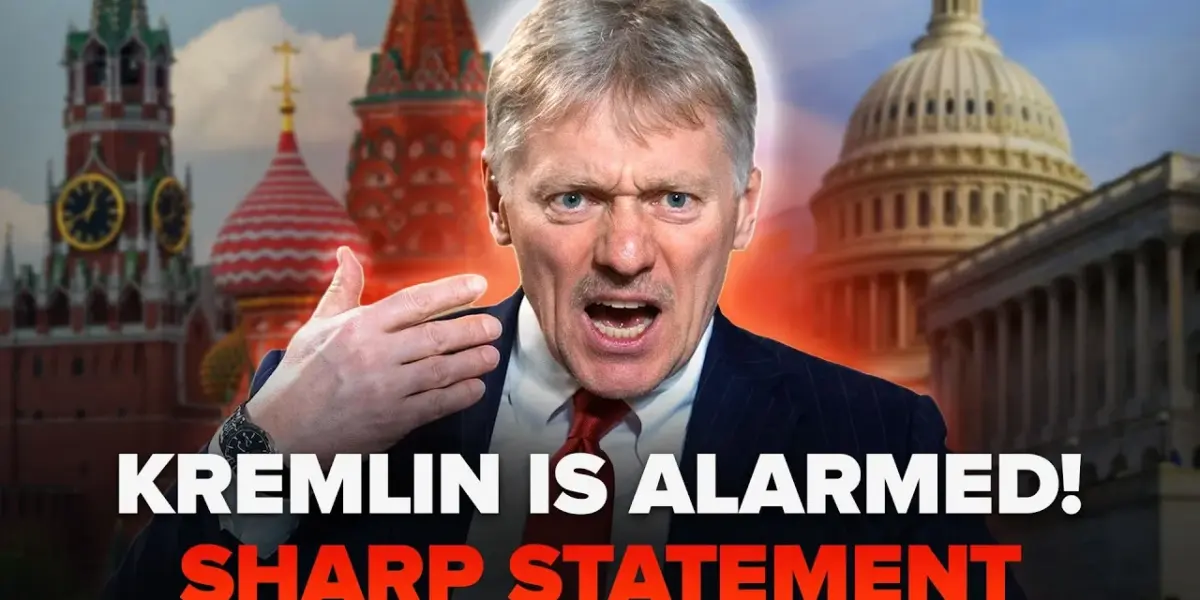
Source: 😱Peskov lashes out at Trump! Kremlin couldn’t hold back. Putin has lost a top aircraft (YouTube)

Related Articles
Ukraine Strikes Russian Oil Refinery, Eyes Iran Threat
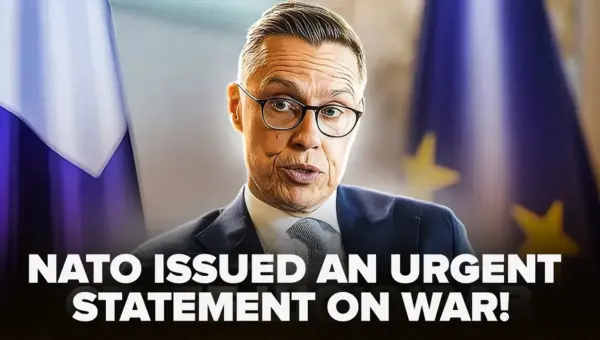
Ukrainian forces struck a key Russian oil refinery, disrupting Moscow's war capabilities. Meanwhile, Finland's president urged continued U.S. support for Ukraine, as Kyiv shares its air defense expertise globally amid growing geopolitical complexities involving Iran and potential sanctions against Hungary.

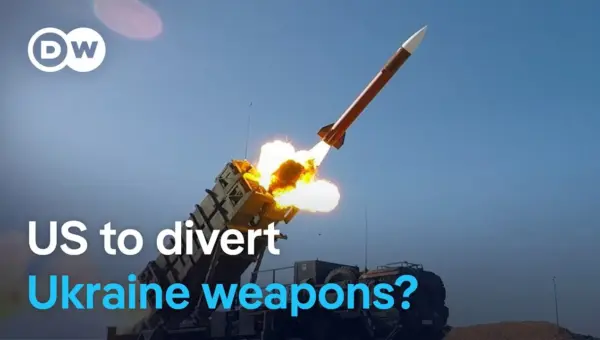
US Weighs Shifting Ukraine Weapons to Iran Amid Missile Shortage
The U.S. is reportedly considering diverting weapons destined for Ukraine to support operations against Iran, driven by rapidly depleted missile stocks. This potential shift raises concerns about Ukraine's defense capabilities and highlights the complex interplay between global conflicts.

Ukraine Strikes Cripple Russian Oil Exports
Ukrainian drone strikes are crippling Russia's oil exports and damaging its economy, leading to falling domestic support for President Putin. The targeted attacks on refineries and terminals aim to cut off war funding and have significant geopolitical consequences.